Mifepristone’s Legal Battles and Regulatory Challenges in America
Explore the complex legal and regulatory history of Mifepristone, the cornerstone abortion pill, and how courts and agencies shape its availability.
Additional reporting by Samira Brooks, April Clark
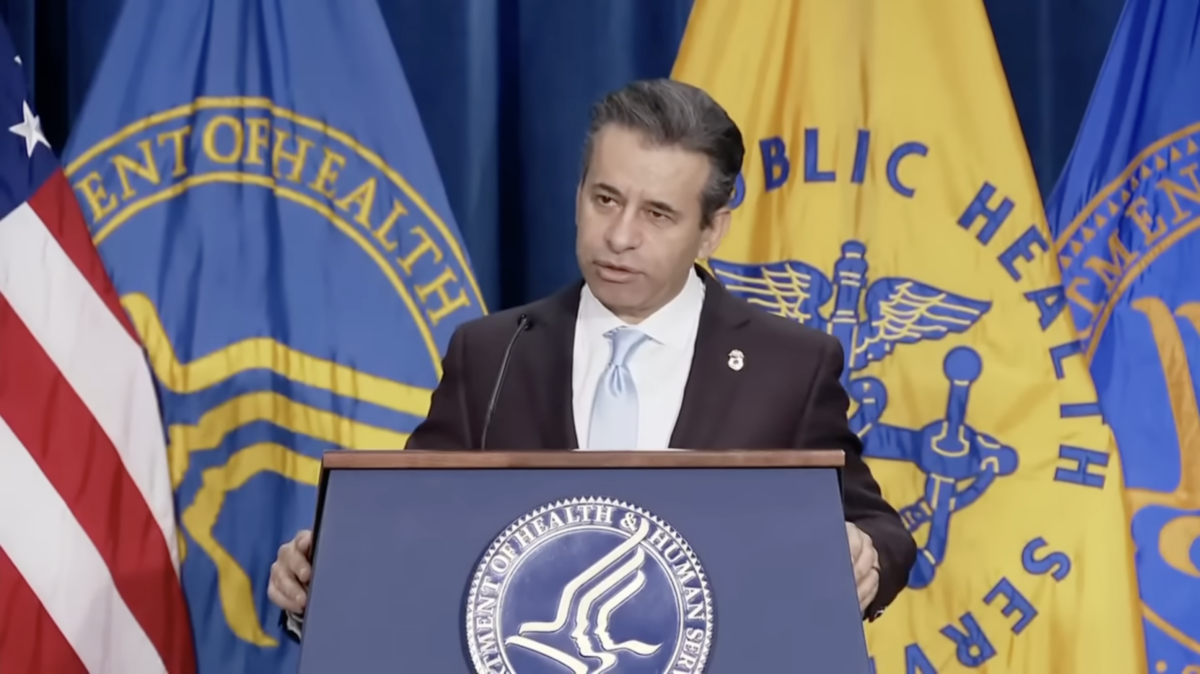
Mifepristone, commonly known as the abortion pill, has become a focal point in the national debate over abortion, federal versus state regulatory power, and medical ethics. Approved by the Food and Drug Administration (FDA) in 2000, it quickly emerged as an alternative to surgical abortion methods, approved for use up to ten weeks into pregnancy. Its early promise as a medically supervised, less invasive option has collided with evolving political, cultural, and legal pressures that have made it one of the most contested medications in U.S. healthcare history.
The ongoing battle over Mifepristone reflects deep ideological divisions. Supporters highlight the drug's role in expanding reproductive choice and safeguarding women’s health by providing a pharmaceutical alternative that can be administered without surgery. Opponents, chiefly conservatives, contest its safety, challenge the FDA’s regulatory stewardship, and frame it as emblematic of a broader erosion of life-affirming values and government overreach. The legal skirmishes, lawsuits, and legislative efforts targeting the drug illustrate the broader cultural war over abortion and America’s healthcare system.
Historical and Regulatory Background of Mifepristone
"Mifepristone’s future hinges on courts and regulators defending safety and law, not political expediency or activist overreach."
Mifepristone was first approved by the FDA in 2000 under a Risk Evaluation and Mitigation Strategy (REMS) designed to tightly control its distribution and use. Initially, the FDA required that the drug be dispensed only in person at medical facilities by certified providers, citing concerns over safety and the need for close medical supervision to avoid complications such as incomplete abortion or hemorrhage. These restrictions underscored a cautious approach by federal regulators toward the novel medication.
Over the past two decades, the FDA has gradually modified its REMS to enhance access, reflecting emerging safety data and changing healthcare delivery modalities. The most significant adjustment came in January 2023 when the FDA lifted the in-person dispensing requirement and authorized certified retail pharmacies to dispense Mifepristone with a prescription from authorized providers. This policy aimed to reduce barriers, especially amidst the COVID-19 pandemic, by expanding telemedicine and pharmacy access without sacrificing safety protocols. The FDA’s decision to adapt REMS in this manner was heralded by reproductive rights advocates as an important modernization of drug access policies, while raising alarms among critics concerned with patient safety and oversight. FDA confirmed review underway.
While these regulatory relaxations were justified by data showing low complication rates when the drug is properly used, conservative lawmakers and pro-life advocates argue the FDA overstepped its authority, compromising safety to expand access. This tension highlights the intersection of scientific evidence, public health policy, and political ideology in regulatory decisions.
Major Legal Battles and Court Rulings
The legal landscape surrounding Mifepristone has shifted dramatically, with competing courts narrowing or broadening access to the drug. In 2023, the U.S. Court of Appeals for the Fifth Circuit imposed strong restrictions, limiting Mifepristone’s use to pregnancies up to seven weeks—three weeks shorter than the FDA’s authorization—and reinstated the in-person dispensing requirement. This ruling was grounded in skepticism about the FDA's reliance on incomplete data for its loosening of regulations, emphasizing judicial concerns over drug safety and agency deference.
However, this decision was swiftly challenged and partially stayed by the Supreme Court, which blocked enforcement of the Fifth Circuit's ruling to maintain the status quo while the litigation proceeds. The Supreme Court’s intervention prevented abrupt disruption of access for many women while underscoring judicial caution about overturning federal medical approvals. In a further significant ruling, the Supreme Court in June 2024 unanimously dismissed a suit seeking to fully overturn FDA approval of Mifepristone, citing lack of plaintiff standing. This procedural dismissal bolstered the FDA’s authority and cemented the drug’s continued nationwide availability under existing guidelines.
The pro-life movement and conservative state legislatures have continued to pursue restrictions through various legal and legislative tools. For instance, Senate Republicans launched extensive investigations into Mifepristone manufacturers, alleging failures in oversight and safety lapses, as detailed in Sen. Cassidy’s report. States such as Texas passed laws enabling private citizens to sue anyone involved in trafficking abortion pills, increasing regulatory complexity and encouraging vigilant enforcement inconsistent with federal policy. Texas law empowers private suits. This patchwork approach fuels ongoing legal wrangling and jurisdictional disputes.
These judicial controversies over FDA authority and the limits of administrative law illustrate a larger fight about the proper balance of federal and state power in healthcare regulation and an agency’s discretionary authority amid politically volatile issues.
Safety Concerns and Industry Accountability
Central to conservative opposition to Mifepristone is a sustained focus on safety concerns and alleged regulatory failures. Critics argue the rollback of safeguards—particularly the shift away from in-person dispensing—introduces risks such as incomplete abortions, severe complications, and the absence of immediate medical oversight in emergencies. Reports have emerged of coercion and improper administration, especially with the rise of mail-order abortion pill delivery, which critics claim precludes adequate counselling and monitoring.
One prominent lawsuit, filed by a woman alleging she was coerced into abortion by mail-order pills, challenges FDA policy relaxing dispensing requirements, highlighting dangers born from lax administration rules. Coerced abortion lawsuit highlights risks. Complaints also emphasize psychological trauma and unreported complications, raising calls for stricter enforcement and transparency.
From a pro-life vantage point, these safety issues are emblematic of a broader moral and administrative failure. Proponents argue that abortion pill distribution demands rigorous, accountable processes, and any loosening threatens vulnerable women’s health and the sanctity of life. Investigations and reports revealing questionable pharmacy practices have furthered demands for government intervention and oversight, such as criticisms of reproductive industry conduct.
The political fallout has even reached regulatory leadership. FDA Commissioner Marty Makary’s resignation in mid-2026 was widely interpreted as a consequence of intensifying pro-life pressure on abortion drug policy. Commissioner's resignation amid pressure highlighted the fraught tension between agency independence and political activism surrounding this contentious medication.
Political and Cultural Context of the Abortion Pill Debate
Mifepristone’s controversies unfold within the larger national framework of increasingly polarized abortion politics. Following the Supreme Court’s Dobbs decision overturning Roe v. Wade, many states have enacted restrictive abortion laws, amplifying the patchwork of access that now defines the American landscape. Medication abortion—including Mifepristone—has become a prime target for state bans and new regulations, representing a frontline in state-federal conflicts over reproductive health policy.
Congressional debates mirror these divisions. Some lawmakers push bills to ban Mifepristone outright, citing health risks and ethical concerns, as exemplified by Senator Hawley’s legislation. Others, especially Democrats and reproductive rights advocates, defend the drug as a critical reproductive healthcare tool. This polarization fuels ongoing lobbying, public protests, and cultural clashes, including strong conservative opposition to federal funding for abortion providers like Planned Parenthood. Pro-life protests against federal funds have become prominent symbols of the movement’s intensity.
Public opinion data complicates simplistic narratives. According to recent Pew research, Americans’ views on abortion pills show nuance, with many expressing conditional support or opposition tied to gestational limits, health considerations, or personal beliefs. Nevertheless, the activism on both sides remains fervent, shaping policymaking and the cultural landscape.
The Future of Mifepristone: Legal, Legislative, and Market Dynamics
The saga of Mifepristone is far from resolved. Legal skirmishes continue, with pro-life groups threatening new FDA lawsuits over environmental impact claims related to drug waste disposal and the Endangered Species Act, broadening the battlefield beyond traditional safety and ethics debates. Pro-life threats of FDA lawsuits signal innovative legal tactics to restrict access.
Regulatory stances may shift with changing political winds. The Department of Justice under a Trump-appointed Attorney General has indicated opposition to Biden-era expansions of mail-order abortion pill access. DOJ opposition to abortion pill rules highlights how executive branch appointments influence the drug’s regulatory future and enforcement vigor.
Meanwhile, federalism challenges persist. Patients in restrictive states face legal and logistical barriers, prompting interstate litigation such as a Texas father suing a California physician over Mifepristone prescriptions. Cross-state pill lawsuits underscore the difficulties in enforcing fragmented abortion law in a highly mobile society.
Healthcare technology developments—telemedicine, pharmacy certification, and mail-order delivery—may either expand or constrain access depending on regulatory frameworks adopted. For conservatives, vigilance is essential to prevent abuses, protect life, and maintain safety checks, while advocates argue expanded access through these means is vital to reproductive freedom.
Mifepristone’s troubled history is more than a story of a drug; it embodies the ongoing struggle over America’s governing principles, balancing individual liberty, life, public health, and constitutional authority in the 21st century.
Frequently asked questions
What is Mifepristone and how does it work?
Mifepristone is a medication used in combination with misoprostol to medically terminate intrauterine pregnancies up to ten weeks by blocking progesterone receptors, leading to the breakdown of the uterine lining.
When was Mifepristone approved by the FDA?
The FDA first approved Mifepristone in 2000 for medical termination of pregnancies up to ten weeks gestation.
What changes did the FDA make regarding Mifepristone dispensing rules in 2023?
In early 2023, the FDA removed the in-person dispensing requirement and allowed certified pharmacies to dispense Mifepristone directly with a prescription from certified providers.
How have courts influenced access to Mifepristone?
Courts, like the Fifth Circuit, have imposed restrictions such as limiting use to seven weeks and reinstating in-person dispensing, but the Supreme Court has temporarily blocked these, maintaining broader access.
What are the main safety concerns associated with Mifepristone?
Critics cite risks including improper administration, serious complications, coercion, and insufficient oversight leading to misuse or harm.
How do state laws affect Mifepristone availability?
States vary widely, with some passing laws to restrict abortion drug distribution or allowing private lawsuits against traffickers, creating a fragmented access landscape.
What political debates surround Mifepristone?
Disputes focus on abortion rights versus fetal life, FDA regulatory authority, safety data, and the role of federal versus state jurisdictions.
Timeline of our coverage
- 2026-09-24 — Pro-Life Group Threatens FDA Lawsuit Over Abortion Pill Waste, Citing Endangered Species Act
- 2026-08-27 — Sen. Cassidy Report Alleges Major Oversight Failures in Abortion Pill Industry
- 2026-07-20 — Pro-Life Groups Protest Resumed Federal Funding for Planned Parenthood
- 2026-07-15 — Trump AG Nominee Blanche Signals DOJ Will Oppose Biden-Era Abortion Pill Rules
- 2026-05-13 — FDA Commissioner Marty Makary Resigns Amid Pro-Life Pressure on Abortion Drug Policies
- 2026-05-06 — 5th Circuit Court Pauses FDA's Mail-Order Abortion Drug Permissions
- 2026-05-02 — 5th Circuit Court Blocks FDA Policy on Mail-Order Abortion Drugs
- 2026-03-26 — Senate Republicans Investigate Mifepristone Manufacturers Over Safety Concerns
- 2026-03-16 — Trump DOJ Seeks Pause on Abortion Pill Lawsuit Amid Safety Review
- 2026-03-16 — Pew Research Poll Reveals Complex Views on Abortion Amid Ongoing Debate
- 2026-03-11 — Hawley Introduces Bill to Ban Mifepristone, Citing Health Risks
- 2026-02-26 — Texas Man Charged After Allegedly Administering Abortion Pill to Unborn Child
- 2026-02-03 — Texas Father Sues California Doctor Over Abortion Pill Distribution
- 2026-01-14 — Senate Hearing Highlights Divisions Over Mail-Order Abortion Pills
- 2025-12-10 — FDA Commissioner Confirms Review of Abortion Pill Mifepristone Underway
- 2025-12-04 — New Law Lets Texans Sue Abortion Drug Traffickers
- 2025-11-12 — Ohio Doctor Suspended for Allegedly Administering Abortion Drugs to Girlfriend
- 2025-10-30 — Woman Coerced Into Abortion Sues FDA Over Mail-Order Drug Access
- 2025-10-28 — Inaction On Abortion Pill Puts Women At Risk Of Harm, Abuse
- 2025-10-15 — 'Reproductive' Industry Hands Out Abortion Pills, Withholds Fertility Drugs
The Bottom Line
- Mifepristone is central to the ongoing battle over abortion access and healthcare regulation in America.
- The drug’s legal status affects millions of women’s reproductive choices and healthcare safety standards.
- Court rulings on Mifepristone set precedents for FDA authority and federal versus state power in drug approval.
- Understanding its regulatory and litigation history informs broader debates on medical ethics and public policy.



Sources
- Information about Mifepristone for Medical Termination of Pregnancy Through Ten Weeks Gestation
- Questions and Answers on Mifepristone for Medical Termination of Pregnancy Through Ten Weeks Gestation
- U.S. Supreme Court
- Acog.org: Understanding The Practical Implications Of The Fdas December 2021 Mifepristone Rems Decision
- Acog.org: Updated Mifepristone Rems Requirements
- Kff.org: Louisiana V Fda Access To Mifepristone Back At The Supreme Court
- Kff.org: Supreme Court Leaves Mifepristone Access Unchanged For Now
- Axios.com: Attorney General Letter Cvs Walgreens Abortion (Feb 01, 2023)
- Apnews.com: 402be732d162af449c40ed1315cfb851