TLT Explains
Wisconsin Supreme Court to Hear Appeal in Controversial 2020 Election Lawyer Case
What's happening
The Wisconsin Supreme Court is set to review an appeal from attorney Jim Troupis, who faces criminal charges stemming from his role in the aftermath of the 2020 presidential election. Troupis, alongside two other defendants, is accused of participating in unlawful activities connected to efforts to challenge the election results in favor of then-President Donald Trump. This case has attracted widespread attention due to allegations of judicial misconduct and concerns about potential bias among judges overseeing the proceedings. The appeal raises critical questions about the boundaries of legal representation in politically charged cases and the integrity of the judicial process.
At the core of the dispute is Troupis's involvement in organizing a slate of contingent electors, a strategy intended to provide an alternative set of electoral votes in the event of a successful contest of the election outcome. Troupis contends that his actions were lawful and grounded in historical precedent, citing examples such as the 1960 Kennedy campaign where similar tactics were employed. However, prosecutors and critics argue that these efforts were part of a broader scheme to undermine the certified election results. The tension between defending clients in contentious political matters and maintaining electoral integrity has made this case particularly complex and contentious.
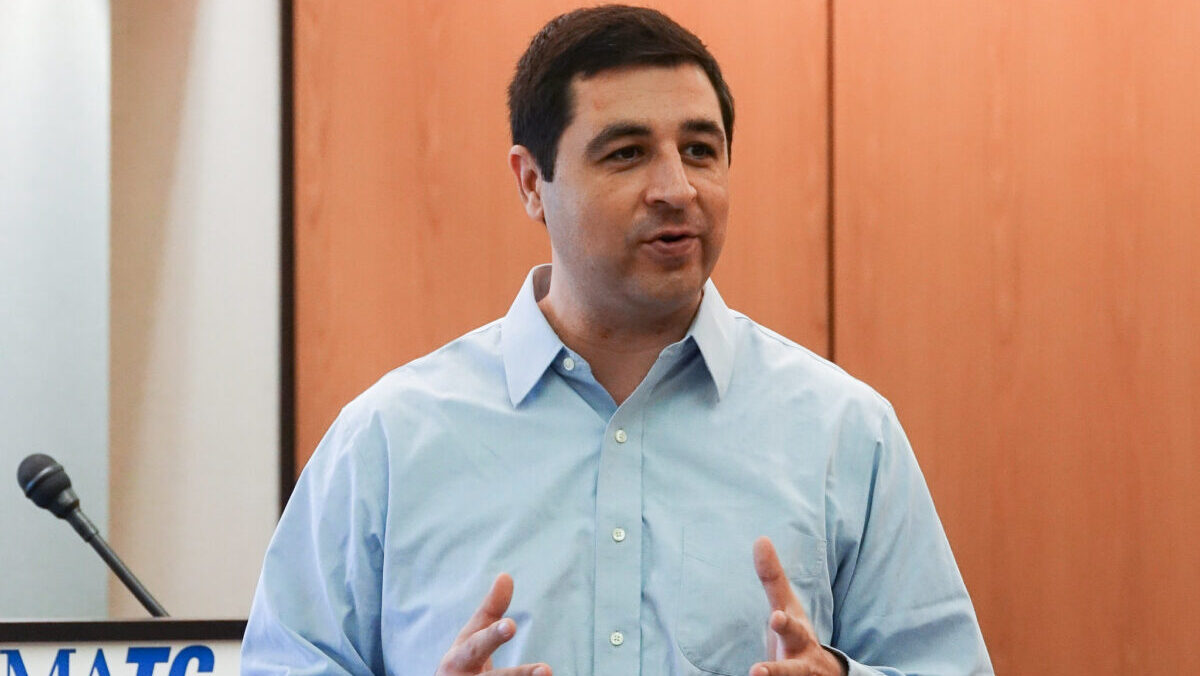
Troupis is a former judge and a respected attorney who has denied any wrongdoing despite the criminal charges. His legal team argues that the prosecution, led by Wisconsin Attorney General Josh Kaul, is politically motivated and lacks a solid legal foundation. They have challenged the impartiality of the trial judge, John Hyland, filing motions to disqualify him based on allegations of misconduct. Central to these claims is the assertion that Judge Hyland did not personally author an order denying a motion to dismiss the case, but rather that parts of the order were drafted by retired Judge Frank Remington, who is related to Hyland's law clerk. This raises concerns about prohibited ex parte communications under Wisconsin's Code of Judicial Conduct.
Troupis's attorneys maintain that Judge Hyland's refusal to hold an evidentiary hearing to investigate these allegations undermines the fairness of the judicial process and suggests bias against their client and co-defendants. Despite these serious claims, the Wisconsin Court of Appeals has yet to take action on the matter, leaving Troupis's team frustrated and concerned about potential judicial partiality. The case thus highlights broader issues about transparency and fairness in judicial proceedings, especially in cases with significant political implications.
What's at stake
As the appeal advances to the Wisconsin Supreme Court, Troupis has requested the recusal of Chief Justice Jill Karofsky and Justice Rebecca Dallet. He alleges that both justices have demonstrated hostility toward Trump and his supporters through prior rulings and public statements. For instance, Karofsky reportedly accused Troupis of attempting to overturn the election to keep Trump in power, labeling such claims as "un-American." Similarly, Troupis points to statements by Justice Dallet suggesting racial motivations behind his actions. These allegations of bias at the highest judicial level add another layer of complexity to the case and raise questions about the judiciary's ability to remain neutral in politically sensitive matters.
Supporters of the prosecution argue that the charges against Troupis and others are essential to uphold the rule of law and ensure accountability for actions that could threaten electoral integrity. They emphasize that maintaining public confidence in election outcomes requires addressing any attempts to subvert the democratic process through unlawful means. However, these supporters have not publicly responded to the specific allegations of judicial misconduct and bias raised by Troupis's defense team. This ongoing dispute underscores the challenges courts face in balancing legal scrutiny with political pressures in election-related cases.
The legal controversy surrounding Troupis also involves federal election law, which mandates that contingent electors must cast their votes by a specific deadline to be counted if an election contest succeeds. Troupis's defense rests on the argument that his efforts to organize such electors were consistent with established legal practices during a period of electoral uncertainty. This historical context is critical to understanding the defense's position and the broader legal debate about the legitimacy of contingent elector slates. The case thus touches on fundamental questions about election law, legal strategy, and the limits of contesting certified results.
The Wisconsin Supreme Court's upcoming decision will have significant implications not only for Troupis and his co-defendants but also for the broader discourse on election integrity and judicial impartiality. A ruling in favor of Troupis could reinforce arguments for the legality of contingent elector strategies, while a decision upholding the charges may signal a firm stance against efforts perceived as undermining election outcomes. The case exemplifies the complex intersection of law, politics, and the judiciary in the aftermath of a highly contested presidential election.
Looking ahead, observers will closely watch how the Wisconsin Supreme Court addresses the allegations of judicial misconduct and potential bias, as well as the substantive legal questions surrounding the charges. The court's ruling could come within months, shaping the legal landscape for election-related litigation in Wisconsin and beyond. Additionally, the case may influence ongoing debates about judicial ethics and the role of courts in politically sensitive disputes. The outcome will likely affect the careers and reputations of those involved and could set precedents for how similar cases are handled in the future.
Why it matters
Troupis and two others face accusations of unlawful conduct while assisting Donald Trump in contesting the 2020 election results. Troupis claims his organization of contingent electors was lawful and grounded in historical precedent. Allegations that parts of a judicial order were drafted by a retired judge related to the trial judge’s law clerk raise concerns about judicial misconduct.
Proponents of the prosecution argue the case is necessary to protect electoral integrity and uphold the rule of law. Federal law requires contingent electors to meet specific deadlines for their votes to be counted if an election contest is successful.
Key facts & context
The Wisconsin Supreme Court is preparing to hear an appeal from attorney Jim Troupis, who faces criminal charges related to the 2020 election. Troupis and two other defendants are accused of unlawful activities connected to efforts to contest the 2020 election results. The case has drawn attention due to allegations of judicial misconduct and potential bias among judges involved.
Troupis’s legal team has filed motions to disqualify trial judge John Hyland, citing concerns over impartiality and alleged misconduct. Parts of a judicial order denying a motion to dismiss were reportedly drafted by retired Judge Frank Remington, related to Hyland’s law clerk. Troupis has requested the recusal of Chief Justice Jill Karofsky and Justice Rebecca Dallet from the Supreme Court appeal.
Supporters of the prosecution maintain the charges are necessary to ensure accountability for actions that could undermine elections. Federal law mandates contingent electors must cast votes by a deadline to be counted if an election contest succeeds. Troupis argues his actions align with historical precedent, including tactics used in the 1960 Kennedy campaign.
The Wisconsin Court of Appeals has not acted on allegations of judicial misconduct raised by Troupis’s defense team.
Timeline & key developments
2026-03-12: Wisconsin Supreme Court to Consider Appeal in Controversial Election Lawyer Case. Additional reporting on this topic is available in our broader archive and will continue to shape this timeline as new developments emerge.
Primary sources
Further reading & references
- (Additional background links will appear here as we cover this topic.)
Related posts
- Wisconsin Judge Accused of Misconduct in Case Against Trump Attorneys
- Georgia Supreme Court Upholds Disqualification of Fani Willis in Trump Case
- WI's Leftist Supreme Court Justices Have A Recusal Problem
- Inferior Court Judges Need to Stop Overstepping Their Authority
- Wisconsin Supreme Court Upholds Tax Exemption for Catholic Charity
- Wisconsin Supreme Court to Decide on Tax Exemption for Catholic Charities Following SCOTUS Ruling