TLT Explains
Virginia Democrats Appeal to Supreme Court Over Election Day Definition Dispute
What's happening
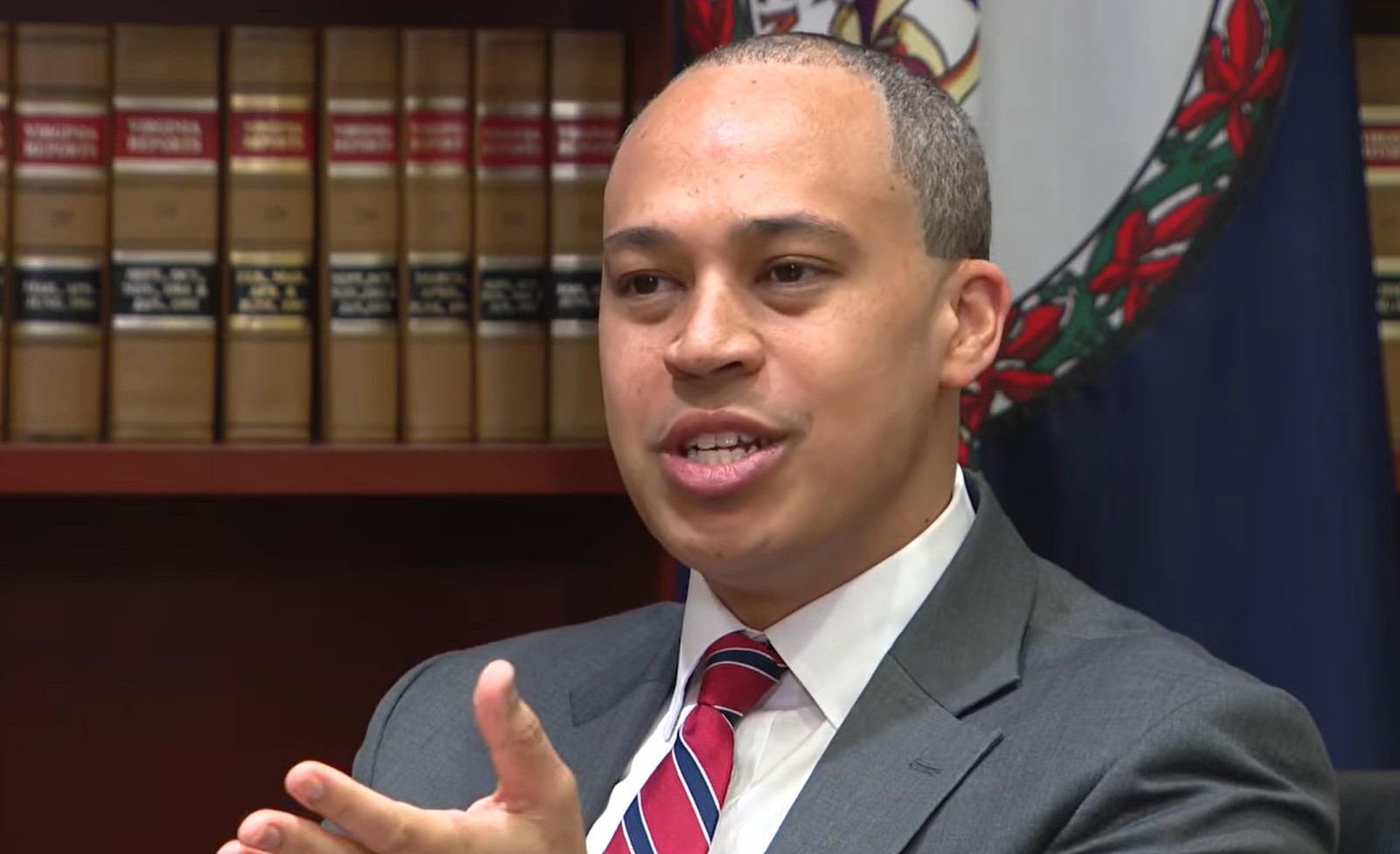
Virginia Democrats, led by Attorney General Jay Jones, have recently escalated their legal battle by appealing to the U.S. Supreme Court. This move follows a decision by the Virginia Supreme Court that rejected their attempt to redefine the election period in the state. The Democrats argue that although Virginia permits a 45-day early voting window, only a single day should be officially recognized as "Election Day." This appeal raises significant questions about how elections are defined and the implications for voter participation in Virginia.
The dispute centers on the classification of the election period. Virginia currently allows voters to cast ballots over an extended 45-day period, including early voting, absentee ballots, and the traditional single Election Day. The Democrats contend that only the designated Election Day should be considered the official day of the election, which they argue aligns with federal law. However, the Virginia Supreme Court ruled against this view, emphasizing that the entire voting period, from the start of early voting through Election Day, constitutes the election. This ruling supports the state's existing framework that facilitates early voting as a valid and integral part of the electoral process.
Attorney General Jay Jones and his team claim that the Virginia Supreme Court misinterpreted both state and federal election laws in its ruling. They argue that federal guidelines specify a particular day for congressional elections, which should take precedence over the state's broader voting period. Jones stated that the court's decision was based on a "grave misreading of federal law," suggesting that the ruling could have far-reaching consequences for election administration in Virginia and potentially other states. This legal contention underscores the Democrats' belief that the current interpretation undermines the clarity and uniformity of election timing.
Opponents of the Democrats' position warn that redefining Election Day to exclude early voting could disenfranchise many voters who rely on the extended voting window. Early voting has become an essential option for those who cannot vote on the traditional Election Day due to work, health, or other personal reasons. Critics argue that limiting the official election to a single day may confuse voters and restrict access, ultimately reducing participation. The Virginia Supreme Court's decision reflects this concern by affirming that the election period includes all days during which voting is permitted, thereby protecting early voters' rights.
What's at stake
The legal debate has drawn commentary from various experts and political figures. Former Virginia Attorney General Ken Cuccinelli criticized the Democrats' approach, suggesting that their reliance on federal election cases is misplaced in the context of Virginia law. He remarked that some elected officials in the state might benefit from "remedial civics classes," highlighting the contentious nature of the Democrats' legal strategy. Meanwhile, legal analyst Ed Whelan noted that Chief Justice John Roberts has not yet issued an administrative stay on the Democrats' appeal request. Roberts has instead requested a response from Republican officials involved in the case, signaling that the Supreme Court is carefully considering the matter but has not yet taken direct action.
The Democrats' appeal has faced scrutiny not only for its legal arguments but also for procedural missteps. Initial filings contained multiple typographical errors, and an emergency application was mistakenly submitted to the Virginia Supreme Court rather than the U.S. Supreme Court. These errors have raised questions about the professionalism and preparedness of the appeal, potentially weakening the Democrats' position. Additionally, the Democrats argue that the Virginia Supreme Court exceeded its judicial authority by invalidating their election period definition, citing the U.S. Supreme Court case Moore v. Harper, which limits state courts' power to override legislative election regulations. However, some legal experts doubt that this argument will succeed in overturning the state court's ruling.
The stakes of this case extend beyond Virginia's borders. How the election period is defined affects voter access, election administration, and the broader democratic process. Supporters of the Democrats' position claim that recognizing a single Election Day could simplify the electoral system and reduce confusion about when votes are cast. Conversely, opponents warn that such a change could disenfranchise voters who depend on early voting options, potentially impacting turnout and election outcomes. The U.S. Supreme Court's decision on whether to hear the case will be closely watched, as it could set a precedent influencing election laws and practices in other states.
Looking ahead, the Supreme Court is expected to respond to the appeal in the coming weeks. Legal experts predict the Court may reject the case on jurisdictional grounds, especially given the procedural issues and the nature of the arguments presented. If the Court declines to intervene, the Virginia Supreme Court's ruling will stand, affirming the state's current election period framework. However, if the Supreme Court decides to hear the case, it could lead to a significant ruling on the definition of Election Day and the balance between state and federal election authority. Observers will be monitoring developments closely, as the outcome could have lasting implications for voter access and election administration nationwide.
Why it matters
The Virginia Supreme Court blocked Democrats' efforts to redefine the election period, prompting the appeal. Redefining Election Day to a single day could disenfranchise voters who use early voting options. The court's ruling supports the current voting period that includes early voting, protecting voter access.
Democrats argue the state court misinterpreted federal and state election laws in its decision. Legal experts note the Supreme Court has yet to issue a stay and may reject the appeal on jurisdictional grounds.
Key facts & context
Virginia Democrats, led by Attorney General Jay Jones, appealed to the U.S. Supreme Court over election day classification. The appeal follows a Virginia Supreme Court ruling that rejected the Democrats' attempt to limit the election period to one day. Virginia currently allows a 45-day voting period, including early voting and absentee ballots.
Democrats argue only one day should be officially recognized as Election Day despite the extended voting period. The Virginia Supreme Court ruled that the entire voting period constitutes the election, supporting early voting rights. Attorney General Jay Jones claims the state court misread federal law regarding election timing.
Former Virginia Attorney General Ken Cuccinelli criticized the Democrats' legal strategy as flawed. Legal analyst Ed Whelan noted Chief Justice John Roberts has not issued a stay and requested responses from Republican officials. The Democrats' appeal filings contained errors, including submitting an emergency application to the wrong court.
The case references the U.S. Supreme Court ruling Moore v. Harper concerning state court authority over elections. The Supreme Court's decision on whether to hear the case could set a precedent affecting election laws nationwide. Observers expect the Supreme Court may reject the appeal, leaving the Virginia Supreme Court's ruling in place.
Timeline & key developments
2026-05-12: Virginia Democrats Appeal to SCOTUS Over Election Day Classification. Additional reporting on this topic is available in our broader archive and will continue to shape this timeline as new developments emerge.
Primary sources
Further reading & references
- (Additional background links will appear here as we cover this topic.)
Related posts
- Virginia Supreme Court Rejects Democratic Partisan Gerrymandering Effort Over Election Definition
- Virginia Attorney General Appeals Court Ruling on Gerrymandering Ballot Language Dispute
- Virginia Attorney General Appeals to Supreme Court Over Definition of Election Day and Early Voting
- Supreme Court Rules Racial Gerrymandering Unconstitutional in Key Redistricting Case
- Virginia Republicans Criticize National Party After Narrow Referendum Defeat Impacting Congressional Maps