TLT Explains
Virginia Republicans Criticize National Party After Narrow Referendum Defeat Impacting Congressional Maps
What's happening
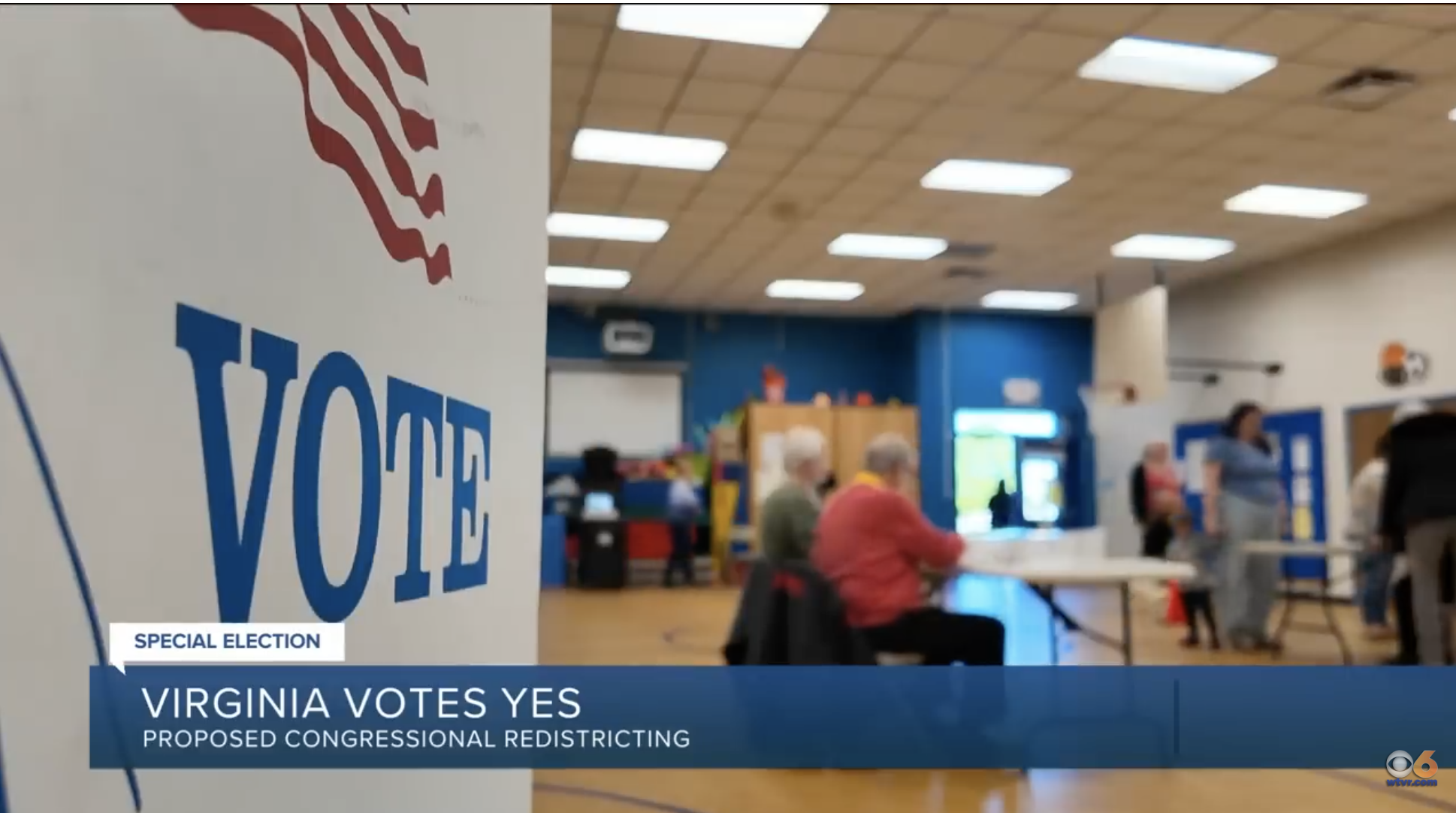
Republicans in Virginia are voicing frustration with the national party's support following a close loss in a recent referendum that could reshape the state's congressional districts. The referendum, which passed by a slim margin of three percentage points, grants Democrats the authority to redraw the congressional maps. This outcome has raised alarm among local GOP leaders who question the effectiveness of national Republican strategies and resource allocation in state-level contests.
The stakes of the referendum are significant, as the new maps could increase Democratic representation in the U.S. House from six to potentially ten seats. Such a shift would complicate Republican efforts to regain control of the House in upcoming elections. Local Republicans argue that the national party did not invest adequately in the campaign, leaving state GOP organizations underfunded and at a disadvantage compared to Democrats, who reportedly raised more than three times the funds for the effort.
Matthew Hurtt, chairman of the Arlington County Republican Party, expressed disappointment with the national party's involvement. He noted that while local committees were well-organized and mobilized resources effectively, they lacked the financial backing from national organizations that might have influenced the referendum's outcome. Despite the Republican National Committee's (RNC) reported fundraising successes, little of that money appears to have been directed toward the Virginia campaign, according to local leaders.
The RNC has not publicly detailed its financial contributions to the state, which has fueled skepticism among Virginia Republicans. When questioned, an RNC official defended the committee's actions by citing strategic investments in election integrity and voter outreach but declined to provide specifics. Meanwhile, Richard Hudson, chairman of the National Republican Congressional Committee (NRCC), stated that the committee made substantial investments and highlighted that Republicans secured about half the vote, though he did not disclose exact spending figures.
What's at stake
Local Republican leaders praised the Virginia GOP for running one of its most coordinated campaigns in recent years but lamented the disconnect with national fundraising operations. Hurtt criticized the national fundraising efforts for touting large sums raised without allocating funds to Virginia. This funding disparity was stark, especially compared to Democratic fundraising efforts that heavily outpaced Republican spending on the referendum campaign. Some party members are now questioning the prioritization of resources, particularly as significant funds have been directed toward other races, such as the Texas Senate campaign.
In addition to funding concerns, grassroots activists emphasize the need for greater investment in voter outreach and ground operations. Andrew Kolvet, an executive with Turning Point USA, stressed that without matching Democratic enthusiasm and financial commitment in get-out-the-vote efforts and canvassing, Republicans risk falling short in critical contests. This sentiment highlights broader questions about the party’s approach to mobilizing voters at the local level.
Complicating the political landscape, a Tazewell Circuit Court judge recently ruled the redistricting referendum unconstitutional, blocking its certification. This decision is expected to be reviewed by the Virginia Supreme Court, adding uncertainty to the future of the state's congressional maps. RNC Chairman Joe Gruters hailed the court ruling as a major victory for Virginians and pledged continued efforts to secure fair representation, signaling ongoing legal and political battles ahead.
The narrow referendum defeat and subsequent legal challenges have sparked a broader debate within the Virginia GOP about the effectiveness of national strategies and resource deployment. Local leaders are calling for a reassessment of how the national party supports state-level campaigns, emphasizing the importance of robust financial and organizational backing to compete effectively. The outcome of this debate could shape Republican prospects in Virginia and influence party tactics in other battleground states.
Looking ahead, the Virginia GOP and national party will need to navigate the legal review of the referendum while preparing for upcoming elections. The Supreme Court’s decision on the redistricting measure will be a critical milestone, potentially altering the political map and influencing campaign strategies. Observers will be watching closely to see whether the national party adjusts its approach to funding and grassroots engagement to better support state-level contests in the future.
Why it matters
Virginia Republicans are frustrated with the national party's limited financial support after a close referendum loss that affects congressional representation. The referendum's passage could increase Democratic seats in Congress, complicating Republican efforts to regain control. Local GOP leaders argue that national fundraising successes did not translate into adequate investment in Virginia campaigns.
The disconnect between national and local efforts raises concerns about the party's strategy and resource prioritization. Legal challenges to the referendum add uncertainty and could influence future electoral maps and party strategies. Grassroots activists emphasize the need for increased investment in voter outreach and ground operations to compete effectively.
The outcome may prompt the national party to reconsider how it supports state-level campaigns in key battlegrounds.
Key facts & context
The Virginia referendum passed by a margin of three percentage points, allowing Democrats to redraw congressional maps. The new maps could increase Democratic U.S. House seats from six to as many as ten. Democrats reportedly raised over three times the funds Republicans did for the referendum campaign.
Local Virginia GOP leaders claim the national Republican Party did not allocate sufficient funds to the state. An RNC official cited strategic investments in election integrity and voter outreach but did not provide spending details. Richard Hudson of the NRCC stated the committee made substantial investments and Republicans won about half the vote.
A Tazewell Circuit Court judge ruled the referendum unconstitutional, blocking its certification pending Virginia Supreme Court review. RNC Chairman Joe Gruters called the court ruling a major victory and vowed to continue fighting for fair representation. Local GOP leaders describe their campaign as highly organized but lacking national financial support.
The national party has allocated significant resources to other races, including the Texas Senate campaign. Turning Point USA executive Andrew Kolvet highlighted the need for more investment in grassroots voter mobilization. The Virginia Supreme Court's upcoming decision will be pivotal in determining the referendum's fate and future district maps.
Timeline & key developments
2026-04-23: National Republicans Face Criticism Over Virginia Ground Game After Referendum Loss. Additional reporting on this topic is available in our broader archive and will continue to shape this timeline as new developments emerge.
Primary sources
Further reading & references
- (Additional background links will appear here as we cover this topic.)
Related posts
- Virginia Republicans Reflect on Gerrymandering Referendum Loss Amid Funding Gap and Legal Battles
- Virginia's April Referendum on Redistricting Raises Debate Over Political Fairness
- Out-of-State Funding Dominates Virginia’s Gerrymandering Amendment Campaign Ahead of April Referendum
- Virginia Supreme Court Rejects Democratic Partisan Gerrymandering Effort Over Election Definition
- Virginia Attorney General Appeals Court Ruling on Gerrymandering Ballot Language Dispute