TLT Explains
Trump Endorses Ken Paxton Over John Cornyn in Texas Senate Primary Runoff
What's happening
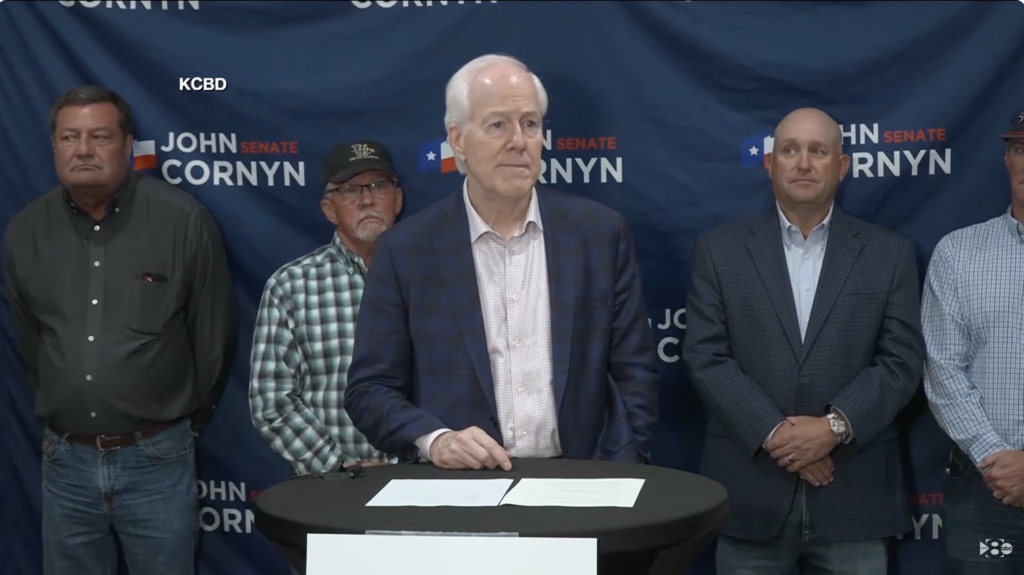
Former President Donald Trump has officially endorsed Texas Attorney General Ken Paxton in the upcoming Republican Senate primary runoff, a move that significantly impacts the political dynamics in Texas. This endorsement arrives just days before the runoff election, intensifying the contest between Paxton and incumbent Senator John Cornyn. The decision highlights the shifting allegiances within the Texas GOP, where loyalty to Trump’s agenda increasingly influences voter preferences. Paxton, widely seen as a staunch Trump ally, has leveraged this support to position himself as the candidate most aligned with the former president’s priorities. Meanwhile, Cornyn faces mounting pressure to consolidate his base amid questions about his commitment to Trump’s policies.
The Texas Senate primary has become a key battleground reflecting broader national trends within the Republican Party. Neither Paxton nor Cornyn secured a majority in the initial primary round, leading to a runoff that will determine the party’s nominee for the general election. Trump’s endorsement of Paxton underscores the former president’s continued influence over GOP primaries, where his backing often correlates with electoral success. This dynamic has put Cornyn, a four-term senator, on the defensive as he contends with criticism from conservative voters who view him as insufficiently supportive of Trump’s agenda. The race thus serves as a microcosm of the ongoing struggle between establishment Republicans and the party’s more populist, Trump-aligned faction.
Central to the contest is the debate over election integrity legislation, particularly the SAVE America Act, which has become a defining issue in the primary. This bill requires proof of citizenship for voter registration and mandates photo identification at the polls, measures championed by Paxton as essential to securing election integrity. Paxton has gone so far as to suggest he might withdraw from the Senate race if Senate leadership commits to passing the legislation, signaling his deep commitment to the bill’s priorities. Cornyn’s response has been more measured; while he has expressed conditional support for procedural changes to facilitate the bill’s passage, critics argue that his actions lack the fervor expected by the party’s conservative base. This contrast in approaches highlights the ideological divide between the candidates and their visions for the GOP’s future.
The stakes in this primary extend beyond the candidates themselves, touching on the broader direction of the Republican Party in Texas and nationally. Trump’s endorsement of Paxton sends a clear message to Senate Republican leadership about the importance of aligning with the party’s grassroots and their priorities. Paxton’s embrace of Trump’s policies and rhetoric appeals to voters who prioritize loyalty to the former president and a hardline stance on election laws. Conversely, Cornyn’s more traditional Republican approach, emphasizing experience and institutional knowledge, faces challenges in a political environment increasingly dominated by populist sentiments. The outcome of the runoff will therefore influence not only who represents Texas in the Senate but also the ideological trajectory of the GOP in the state.
What's at stake
Both candidates have sought to communicate their positions directly to Texas voters in the lead-up to the runoff. Cornyn has emphasized the role of the electorate in choosing their senator, asserting his belief in the democratic process despite the criticism he faces. He maintains that he has supported Trump’s agenda in the Senate more than 99% of the time, underscoring his record to appeal to conservative voters. Paxton, meanwhile, has positioned himself as a "true MAGA warrior," committed to advancing Trump’s priorities and the SAVE America Act. This framing aims to galvanize the party’s base and capitalize on Trump’s endorsement to build momentum. The campaign rhetoric reflects the high stakes and intense competition between the two candidates.
Political analysts view Trump’s endorsement as part of a broader pattern where loyalty to the former president has become a litmus test for Republican candidates. This trend has reshaped primary contests across the country, with Trump-backed candidates frequently outperforming incumbents perceived as less supportive. Vice President JD Vance and other prominent Republicans have echoed this sentiment, emphasizing the necessity for elected officials to align with their constituents’ preferences, which increasingly favor Trump’s style and policy positions. The Texas primary runoff thus serves as a critical indicator of how deeply Trump’s influence will continue to shape the GOP’s future, particularly in key states like Texas where political power is fiercely contested.
The implications of the runoff extend beyond party politics to the broader electoral landscape as well. Texas is a pivotal state with a growing and diverse electorate, and the Senate race will play a significant role in shaping the balance of power in Washington. The winner will face a general election that could be competitive, making the primary outcome crucial for both parties. Additionally, the debate over election integrity legislation like the SAVE America Act resonates nationally, as similar measures are being considered in multiple states. The Texas race thus reflects larger national conversations about voting rights, election security, and the direction of American democracy. How the candidates position themselves on these issues will influence voter turnout and engagement.
Looking ahead, the runoff election scheduled for next week will be closely watched by political observers and party leaders alike. The results will provide insight into the strength of Trump’s influence within the Texas GOP and the viability of establishment candidates like Cornyn. If Paxton prevails, it could signal a further shift toward populist, Trump-aligned politics in Texas and potentially embolden similar candidates elsewhere. Conversely, a Cornyn victory might suggest that traditional Republican values and experience still hold sway among Texas voters. Beyond the election, attention will turn to how the new nominee approaches the general election campaign and whether the SAVE America Act and related election policies become central issues in the Senate race. The coming weeks will be critical in shaping the future political landscape of Texas and the Republican Party.
Why it matters
Trump’s endorsement of Paxton marks a significant shift in Texas GOP loyalty toward candidates closely aligned with the former president. Election integrity legislation, particularly the SAVE America Act, is a pivotal issue driving voter preferences in the primary. Paxton’s strong advocacy for the SAVE America Act appeals to conservative voters demanding stricter voting regulations.
Cornyn’s more cautious approach has led to criticism and questions about his alignment with Trump’s agenda. The primary outcome will influence the ideological direction of the Texas Republican Party heading into the general election. Texas’s Senate race has national implications given the state’s political importance and the broader debate over voting laws.
Trump’s backing often predicts success in GOP primaries, making this endorsement a critical factor in the runoff.
Key facts & context
Former President Donald Trump endorsed Texas Attorney General Ken Paxton in the Republican Senate primary runoff. The runoff election between Paxton and incumbent Senator John Cornyn is scheduled for next week. Neither candidate won a majority in the initial primary, necessitating the runoff.
The SAVE America Act requires proof of citizenship for voter registration and photo ID to vote. Paxton has publicly stated he would consider withdrawing if the Senate commits to passing the SAVE America Act. Cornyn has expressed conditional support for procedural changes to facilitate the bill’s passage but faces criticism for perceived lukewarm backing.
Trump criticized Cornyn on social media for not supporting him during difficult times. Cornyn has served four terms in the Senate and claims to have voted with Trump’s agenda over 99% of the time. Political figures like Vice President JD Vance have emphasized the importance of serving voter preferences aligned with Trump.
The Texas Senate primary is seen as a bellwether for the Republican Party’s future direction in the state. The outcome of the primary will affect the general election and potentially the balance of power in the U.S. Senate.
Timeline & key developments
2026-05-20: Trump Endorses Paxton Over Cornyn in Texas Senate Primary. Additional reporting on this topic is available in our broader archive and will continue to shape this timeline as new developments emerge.
Primary sources
Further reading & references
- (Additional background links will appear here as we cover this topic.)
Related posts
- Republicans Face Criticism for Limited Voter Mobilization as Midterms Approach Amid Large Protests
- Republican Senators Seek to End Filibuster to Pass Controversial SAVE America Act on Voter ID
- Senate Majority Leader Thune Faces Criticism Over SAVE America Act Progress
- Paxton: TX Will Not Tolerate Illegal Trafficking Of Abortion Pill
- New Law Lets Texans Sue Abortion Drug Traffickers
- Cleveland Critiques Jack Smith's Legal Actions Against Trump in Senate Hearing