TLT Explains
Senator Warnock Criticizes Supreme Court Amid Rising Threats Against Justices
What's happening
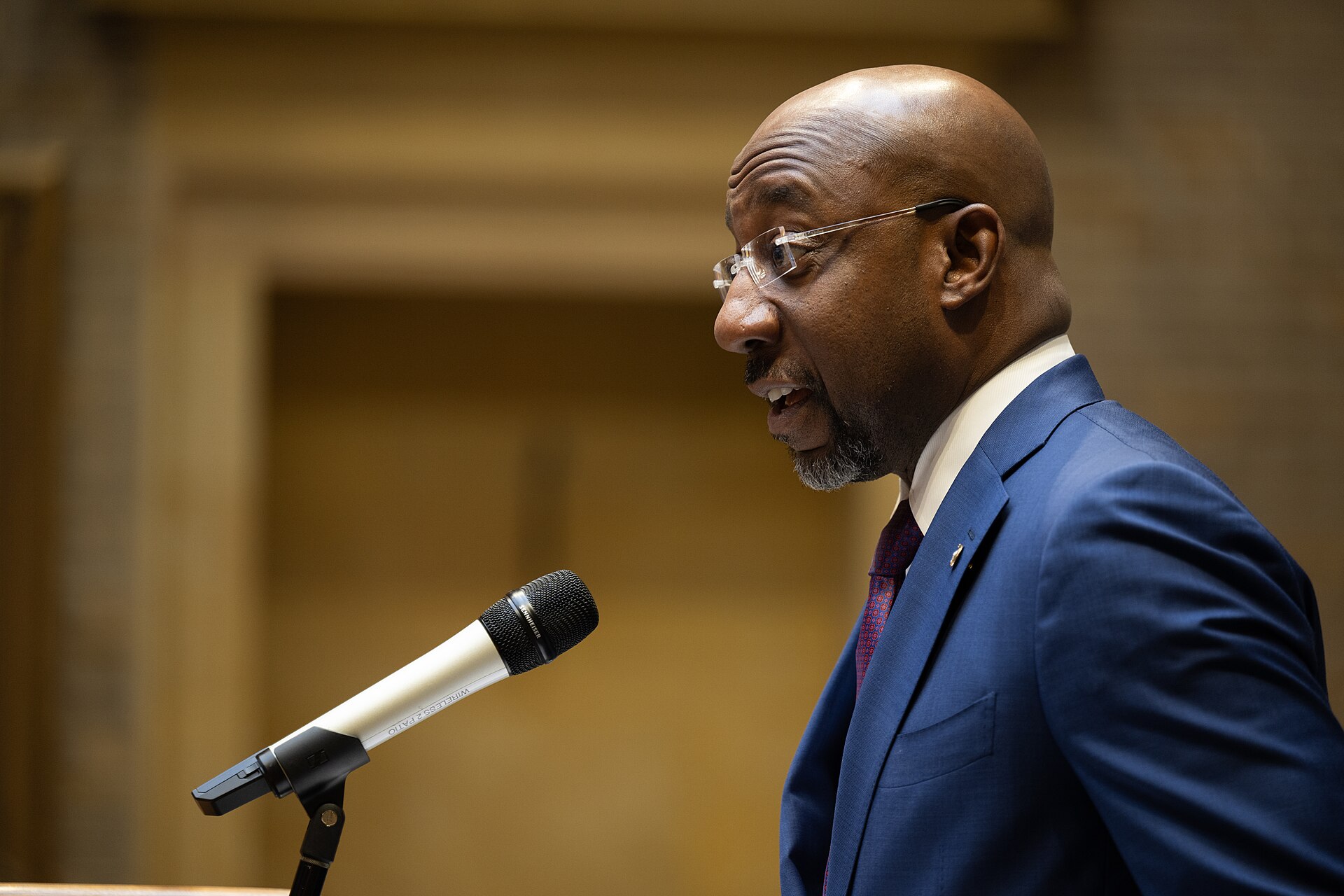
Senator Raphael Warnock of Georgia has recently intensified his public criticism of the U.S. Supreme Court, focusing especially on its rulings related to voting rights. His remarks come at a time when threats against conservative justices have notably increased, raising serious concerns about their personal safety and the security of the judicial branch. Warnock’s comments have drawn attention from political analysts who connect the surge in hostile rhetoric to a corresponding rise in real-world threats and violence directed at members of the court.
The backdrop to this heightened tension involves a series of controversial Supreme Court decisions that many perceive as undermining voting rights protections. One such ruling, Louisiana v. Callais, was described by Warnock as a "Jim Crow in new clothes," reflecting his view that the court’s decisions are systematically eroding the ability of ordinary citizens to participate meaningfully in democracy. This perspective is shared by many Democrats who argue that the court has shifted away from its traditional role of safeguarding civil rights.
The increase in threats against justices has been particularly pronounced since the leak of a draft opinion suggesting the court’s intention to overturn Roe v. Wade. This leak sparked widespread protests and led to escalated security measures for the justices. For instance, Justice Samuel Alito and his family were relocated to a secure location, and Justice Amy Coney Barrett was reported to have worn a bulletproof vest in public. These developments underscore the tangible risks faced by the court’s members amid the charged political climate.
Warnock’s critics argue that his strong language risks contributing to a hostile environment that could incite violence against justices. They caution that framing the court’s actions in such stark terms may embolden individuals prone to extreme behavior. Conversely, supporters contend that holding the court accountable through vigorous public discourse is essential to protecting democratic principles and ensuring that all citizens have a voice in the political process.
What's at stake
The political implications of Warnock’s statements are significant, especially as he promotes his new book emphasizing voting rights as a critical issue. His framing of the Supreme Court’s rulings as harmful to democracy resonates with voters concerned about civil rights and electoral integrity. However, some analysts warn that this rhetoric could unintentionally escalate tensions and increase threats against justices, complicating efforts to maintain judicial security and public trust.
This debate over rhetoric and accountability is not new. Senate Minority Leader Chuck Schumer has also faced scrutiny for comments warning justices about the consequences of their decisions. Critics say such remarks contribute to a climate of hostility, while supporters argue they are necessary to check the court’s power and uphold democratic norms. The balance between free expression and the risk of inciting violence remains a central tension in this discourse.
The Biden administration has been criticized for its handling of threats against Supreme Court justices, with calls for more robust security measures. As the court continues to issue rulings that deeply affect American society, the safety of its members remains a pressing concern. Meanwhile, Warnock’s comments highlight the broader political and social divides surrounding the court’s role in shaping the nation’s future.
Looking ahead, the situation demands careful navigation. Political leaders and the public must weigh the importance of holding the court accountable against the potential consequences of inflammatory rhetoric. Security protocols for justices are likely to remain stringent, and the court’s decisions will continue to provoke strong reactions. Observers will be watching closely to see how the dialogue evolves and whether it leads to meaningful reforms or further polarization.
What happens next will depend on multiple factors, including upcoming court rulings, political developments, and the responses from both lawmakers and the judiciary. The ongoing discourse around the Supreme Court’s role in democracy, the safety of its justices, and the impact of political rhetoric will remain central issues in American politics for the foreseeable future.
Why it matters
The Supreme Court’s rulings on voting rights have intensified public debate about democracy and civil rights. Increased threats against justices raise concerns about the safety and independence of the judiciary. Warnock’s criticism reflects broader frustrations with perceived erosion of voting protections.
Political rhetoric around the court can influence public attitudes and potentially incite violence. Balancing free speech with judicial security is a key challenge amid rising tensions. The court’s decisions have significant implications for electoral integrity and representation.
How leaders address these issues will shape public trust in democratic institutions.
Key facts & context
Senator Raphael Warnock has publicly criticized the Supreme Court’s recent voting rights rulings. His remarks coincide with a rise in threats against conservative Supreme Court justices. Threats have led to increased security measures, including relocation and protective gear for justices.
Warnock described the Louisiana v. Callais ruling as undermining democratic participation. The leak of a draft opinion on overturning Roe v. Wade triggered widespread protests and threats. Senate Minority Leader Chuck Schumer has also faced scrutiny for comments about the court.
The Biden administration has been criticized for its response to threats against justices. Warnock’s statements are part of a larger debate about the court’s role in protecting civil rights. Critics argue that harsh rhetoric may escalate hostility toward justices.
Supporters believe accountability is necessary to preserve democracy and voting rights. Security concerns for justices have increased since the court’s controversial decisions. Political analysts warn that rhetoric could have unintended consequences for judicial safety.
Timeline & key developments
2026-06-10: Sen. Warnock Criticizes Supreme Court Amid Rising Threats Against Justices. Additional reporting on this topic is available in our broader archive and will continue to shape this timeline as new developments emerge.
Primary sources
Further reading & references
- (Additional background links will appear here as we cover this topic.)
Related posts
- Supreme Court Rules on Racial Gerrymandering in Louisiana Case, Impacting Voting Rights Law
- Virginia Attorney General Appeals to Supreme Court Over Definition of Election Day and Early Voting
- Report Claims Liberal Justices Delayed Dobbs Decision Despite Security Threats to Colleagues
- Supreme Court Rules Louisiana’s Congressional Map an Unconstitutional Racial Gerrymander
- Supreme Court Rules Racial Gerrymandering Unconstitutional in Key Redistricting Case
- Michigan Senate Candidate Mallory McMorrow Comments on Justices Barrett and Kavanaugh