TLT Explains
Report Claims Liberal Justices Delayed Dobbs Decision Despite Security Threats to Colleagues
What's happening
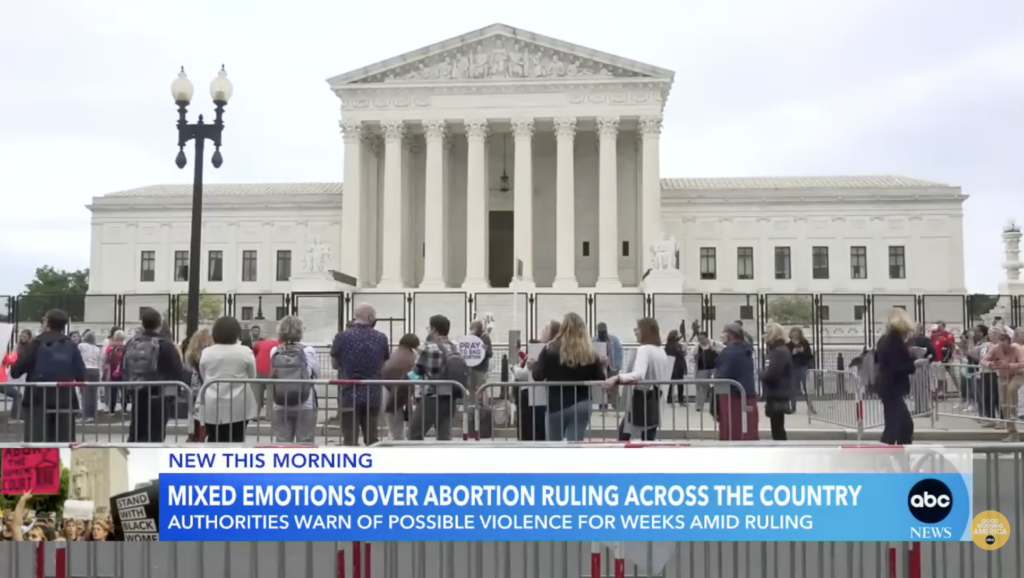
A recent report has brought to light allegations that liberal justices on the Supreme Court intentionally delayed the release of the Dobbs v. Jackson Women’s Health Organization decision, which famously overturned Roe v. Wade. This delay reportedly occurred despite warnings about escalating security threats to their conservative colleagues following the leak of a draft opinion. The postponement extended the period during which justices faced serious threats, including assassination attempts, raising concerns about the balance between judicial process and safety.
The Dobbs decision, which fundamentally changed abortion rights in the United States, was leaked in early May 2022, triggering widespread protests and heightened tensions across the country. The leak itself was unprecedented and led to a surge in security concerns for the justices, particularly those who authored and supported the ruling. Conservative Justice Samuel Alito, who wrote the majority opinion, reportedly urged his liberal colleagues to expedite their dissenting opinions to minimize the time the court was vulnerable to threats.
According to Mollie Hemingway’s book, "Alito: The Justice Who Reshaped the Supreme Court and Restored the Constitution," Justice Alito emphasized the urgency of completing dissenting opinions promptly because the delay posed a direct security risk. Despite these appeals, the liberal justices did not provide a clear timeline for their dissenting opinions, which some critics argue exacerbated the danger faced by their conservative counterparts. This internal court dynamic highlighted tensions and disagreements over priorities during a highly volatile period.
The security threats following the leak were not hypothetical. One high-profile incident involved Nicholas Roske, who was arrested outside Justice Brett Kavanaugh’s home with weapons and reportedly intended to assassinate a justice to prevent the overturning of Roe v. Wade. Other incidents included vandalism of pro-life organizations and a firebombing at the Wisconsin Family Action headquarters. These events underscored the real and immediate risks the justices faced amid the national uproar.
What's at stake
Within the Supreme Court, the atmosphere was reportedly fraught. Justice Elena Kagan was said to have expressed intense frustration over the delays in dissenting opinions, with observers noting that her outburst was so loud it seemed to shake the walls. This incident illustrates the high-pressure environment and the conflicting priorities among justices during the decision’s finalization. Supporters of the liberal justices argue that dissenting opinions require careful thought and cannot be rushed, even under external pressures.
The Biden administration’s response to the threats and protests also came under scrutiny. While Attorney General Merrick Garland ordered U.S. Marshals to provide security for the justices, the Marshals faced criticism for not enforcing laws against protests near the justices’ homes. White House Press Secretary Jennifer Psaki described the protests as peaceful despite the violent incidents, reflecting the complex political and public relations challenges surrounding the issue.
The Dobbs decision was ultimately released 53 days after the leak, a timeline that some believe could have been shortened if the liberal justices had prioritized completing their dissents. Justice Alito acknowledged the uncertainty surrounding the ruling’s impact, stating that the court did not pretend to know how society or the political system would respond. The ruling continues to influence legal battles and public discourse on abortion rights across the nation.
This episode highlights the challenges faced by the Supreme Court in maintaining judicial integrity while ensuring the safety of its members in a deeply polarized political climate. The allegations of delay raise questions about how the court manages internal disagreements and external threats simultaneously. The safety of justices remains a critical concern as political tensions surrounding the court’s decisions persist.
Looking ahead, observers will be watching how the Supreme Court addresses security protocols and internal communication in future high-stakes cases. The court may face increased pressure to balance transparency, timely decision-making, and the protection of its members. The evolving political landscape and ongoing debates over abortion rights suggest that security and procedural issues will remain central concerns for the judiciary.
Why it matters
Delays in releasing the Dobbs decision extended the period during which justices faced serious security threats. The safety of Supreme Court justices became a national concern amid protests and violent incidents following the leak. Internal disagreements among justices over timing and priorities revealed tensions within the court.
The response by law enforcement and the administration to protect justices faced criticism and highlighted challenges. The handling of the Dobbs decision sets a precedent for how the court may manage security and dissent in future cases. The ruling’s impact continues to influence legal and political debates on abortion rights nationwide.
The episode underscores the difficulty of balancing judicial process, transparency, and safety in a polarized environment.
Key facts & context
The Dobbs v. Jackson Women’s Health Organization decision overturned Roe v. Wade, changing abortion rights in the U.S. A draft of the Dobbs decision was leaked on May 2, 2022, leading to protests and security threats. Justice Samuel Alito authored the majority opinion and urged liberal justices to complete dissenting opinions quickly due to security risks.
Nicholas Roske was arrested outside Justice Brett Kavanaugh’s home with weapons, intending to assassinate a justice. Incidents following the leak included vandalism of pro-life groups and a firebombing at Wisconsin Family Action headquarters. Justice Elena Kagan reportedly expressed frustration loudly over delays in dissenting opinions.
The Biden administration deployed U.S. Marshals for security but faced backlash for not enforcing protest restrictions near justices’ homes. The Dobbs decision was released 53 days after the draft leak, longer than some critics deemed necessary. White House Press Secretary Jennifer Psaki described protests as peaceful despite violent incidents.
Mollie Hemingway’s book details internal court dynamics and security concerns related to the Dobbs decision. The report raises questions about the implications of delayed dissenting opinions on justices’ safety. The Supreme Court continues to face increased scrutiny amid political tensions surrounding its rulings.
Timeline & key developments
2026-04-18: Report Claims Liberal Justices Delayed Dobbs Decision Amid Threats. Additional reporting on this topic is available in our broader archive and will continue to shape this timeline as new developments emerge.
Primary sources
Further reading & references
- (Additional background links will appear here as we cover this topic.)
Related posts
- Justice Samuel Alito Marks 20 Years on the Supreme Court with Landmark Rulings and Originalist Approach
- Sotomayor and Jackson's Public Criticism of Colleagues Heightens Tensions on Supreme Court
- Justice Alito Frames Clerkships as Part of Ideological Battle
- Justice Alito's Role in Overturning Roe Detailed in New Book
- Delays in Dobbs Decision Linked to Dissenting Justices' Footnote, New Book Claims