TLT Explains
Sen. Fetterman Opposes SAVE America Act Over Mail-In Voting Security Disputes
What's happening
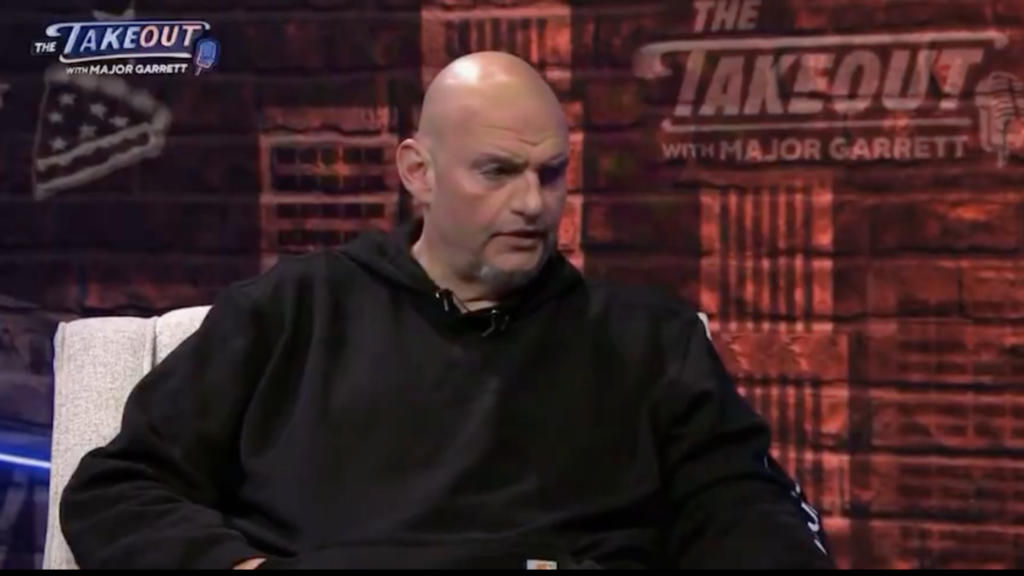
Senator John Fetterman has publicly announced that he can no longer support the SAVE America Act in its current form, primarily due to ongoing criticisms by former President Donald Trump regarding mail-in voting. Fetterman maintains that mail-in voting remains a secure and reliable method for casting ballots, contrasting with Trump’s persistent claims that it is vulnerable to fraud. This disagreement underscores a wider national debate about the security and integrity of mail-in voting practices across the United States.
The controversy surrounding mail-in voting is not new but has intensified in recent years, especially after the 2020 presidential election, which saw an unprecedented number of voters using absentee ballots due to the COVID-19 pandemic. Critics of mail-in voting argue that it opens the door to fraud and election manipulation, while supporters emphasize its accessibility and safety. The SAVE America Act, a legislative proposal aimed at tightening election security, has become a focal point in this debate as it seeks to introduce stricter requirements for mail-in ballots.
At the heart of the SAVE America Act are provisions that would require voters to provide documentary proof of citizenship in person when registering to vote and mandate that individuals include a copy of a photo ID when requesting or submitting a mail-in ballot. Supporters of the bill argue these measures would significantly reduce opportunities for voter impersonation and fraud. Additionally, the legislation seeks to prevent states from sending unsolicited mail-in ballots to voters, aiming to limit the number of ballots in circulation and reduce potential abuse.
Concerns about mail-in voting have been fueled by several high-profile incidents involving allegations of fraud and mismanagement. In 2023, a judge overturned a mayoral election in Bridgeport, Connecticut, after video footage showed affiliates of the incumbent allegedly stuffing ballot boxes. Such cases have heightened fears about the potential for ballot manipulation, even though these incidents remain relatively rare compared to the millions of ballots cast without issue.
What's at stake
Further complicating the picture are legal cases like that of Terry Andrew Heflin in Alabama, who pleaded guilty to absentee ballot fraud in 2024, and Zul Mirza Mohamed in Texas, who was sentenced to prison for forging mail-in ballot applications during the 2020 election. These cases underscore vulnerabilities in the system and have been cited by proponents of the SAVE America Act as justification for stricter voter identification and ballot verification procedures.
Beyond allegations of fraud, logistical challenges also plague mail-in voting systems. Reports from states such as Michigan and Oregon have highlighted instances where ballots went missing during transit, raising concerns about the reliability of the postal system in handling election mail. A 2024 audit by the USPS Office of the Inspector General revealed that many facilities failed to follow proper guidelines for processing election-related mail, contributing to delays and lost ballots. These operational issues have further eroded public confidence in the mail-in voting process.
Election officials and agencies like the Cybersecurity and Infrastructure Security Agency (CISA) have acknowledged difficulties related to mail-in voting, including high rates of improperly completed ballots and staffing shortages that slow ballot processing. These challenges have prompted calls for reforms that balance accessibility with election security. The SAVE America Act attempts to address these concerns by introducing measures aimed at improving the integrity of mail-in voting, though critics like Senator Fetterman argue that the bill’s approach may undermine voter confidence and accessibility.
Public opinion on mail-in voting reforms appears divided. A 2023 survey by the Honest Elections Project found that a majority of voters prefer in-person voting and oppose the automatic distribution of mail-in ballots without a request. This suggests substantial support for tightening election procedures, yet the debate remains contentious, with questions about how to best secure elections without disenfranchising eligible voters. Senator Fetterman’s opposition highlights the ongoing tension between safeguarding elections and ensuring broad voter participation.
Looking ahead, the fate of the SAVE America Act remains uncertain as lawmakers continue to debate its provisions. The legislation will likely undergo revisions as stakeholders seek a compromise that addresses security concerns while preserving voter access. Observers will be watching closely how this debate unfolds in the coming months, especially as the 2026 midterm elections approach, with potential implications for election administration and voter confidence nationwide.
Why it matters
Concerns about mail-in voting security have led to legislative efforts to tighten election rules. Incidents of alleged ballot fraud and mismanagement have heightened public scrutiny of mail-in ballots. Logistical issues with postal handling of ballots raise questions about the reliability of mail-in voting.
Proposed ID and citizenship verification requirements aim to reduce voter impersonation risks. Opposition from some lawmakers reflects worries about balancing election security with voter access. Public opinion shows significant support for reforms but also a preference for in-person voting.
The outcome of the SAVE America Act debate will influence future election policies and voter confidence.
Key facts & context
Senator John Fetterman opposes the SAVE America Act due to concerns about its approach to mail-in voting. Former President Donald Trump has repeatedly criticized mail-in voting as insecure. The SAVE America Act requires in-person proof of citizenship for voter registration and photo ID with mail-in ballots.
A 2023 Bridgeport, Connecticut mayoral race was overturned due to ballot-stuffing allegations. In 2024, Alabama’s Terry Andrew Heflin pleaded guilty to absentee ballot fraud. Texas sentenced Zul Mirza Mohamed to four years for forging mail-in ballot applications in 2020.
USPS audits in 2024 found many facilities mishandling election mail. The Cybersecurity and Infrastructure Security Agency has reported challenges in mail-in ballot processing. The SAVE America Act prohibits unsolicited mass mailing of ballots to voters.
A 2023 survey found 76% of voters prefer in-person voting and 73% oppose automatic mail-in ballots. Election officials face the challenge of ensuring both election security and voter accessibility. Sen. Fetterman’s stance highlights divisions within the Democratic Party over election reform.
Timeline & key developments
2026-03-12: Sen. Fetterman Critiques SAVE America Act Amid Concerns Over Mail-In Voting Security. Additional reporting on this topic is available in our broader archive and will continue to shape this timeline as new developments emerge.
Primary sources
Further reading & references
- (Additional background links will appear here as we cover this topic.)