TLT Explains
Robert Mueller's Legacy Reexamined After His Death Amid Ongoing Debate Over 2016 Russia Inquiry
What's happening
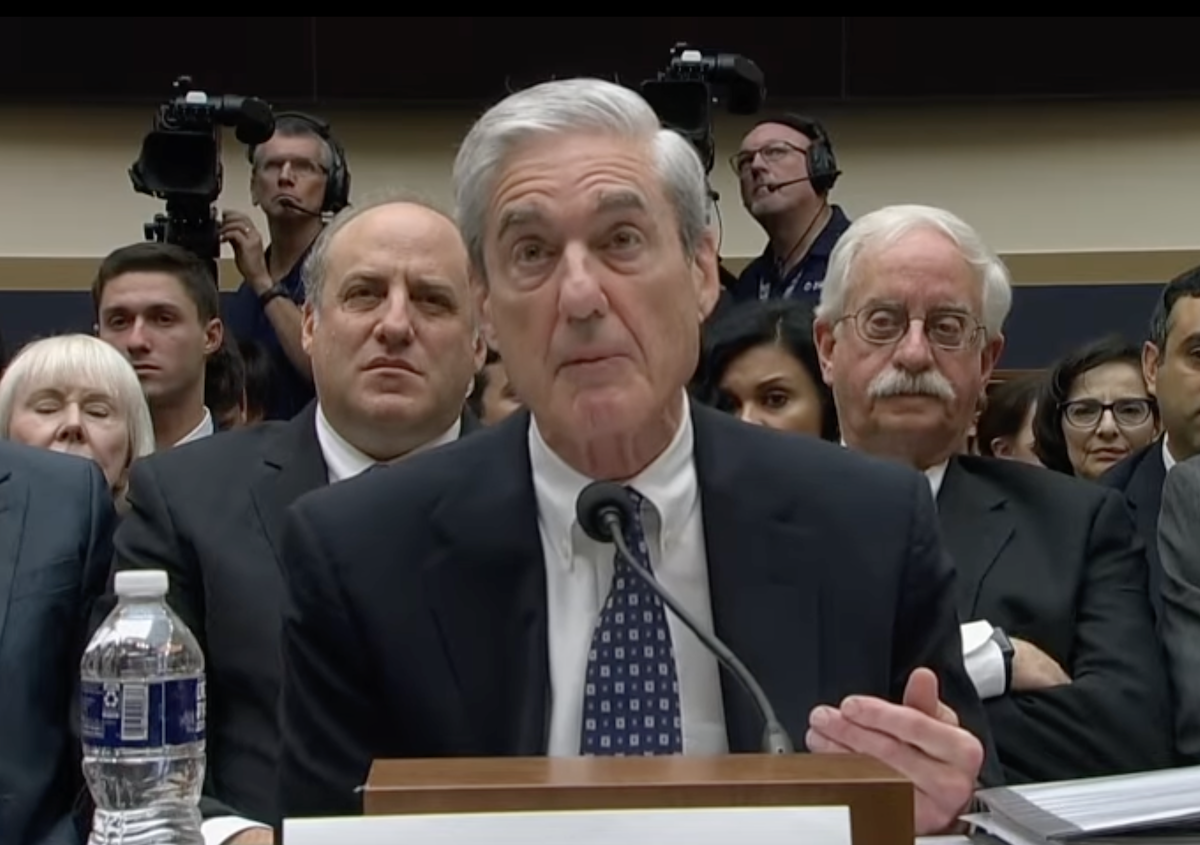
Robert S. Mueller III, the former FBI director and special counsel known for leading the investigation into Russian interference in the 2016 U.S. presidential election, passed away last week. His death has reignited discussions about the lasting impact of his work, particularly the conclusions and controversies surrounding the Mueller investigation. This inquiry was one of the most significant and politically charged probes in recent American history, and its outcomes continue to influence political discourse and public opinion.
The Mueller investigation, which lasted nearly two years and cost millions of dollars, was tasked with examining allegations of Russian interference and potential coordination with the Trump campaign. While the investigation found no conclusive evidence of collusion, it notably did not exonerate former President Donald Trump, stating that the report "does not exonerate him." This ambiguous phrasing has fueled ongoing debates about the interpretation of Mueller's findings and the broader implications for political accountability.
Critics of Mueller's approach argue that the investigation's results have been misused by political actors on both sides. Some contend that Mueller failed to clear Trump of wrongdoing, while others emphasize that the special counsel's role was not to declare innocence or guilt but to present facts. Columnist Eddie Scarry, for example, has described Mueller's statement as a "lifeline for Democrats" and the media, allowing them to continue claims against Trump without definitive proof. This highlights the complex and often contentious nature of special counsel investigations in a polarized political environment.
Supporters of Mueller's work maintain that the investigation was critical in exposing foreign interference in U.S. elections and underscored vulnerabilities in the democratic process. They argue that even without criminal charges against Trump, the inquiry provided necessary transparency and helped safeguard electoral integrity. Legal experts note that the special counsel's role involves navigating political sensitivities, which can complicate public understanding and reception of the investigation's outcomes.
What's at stake
The political fallout from the Mueller investigation remains significant. Many Trump supporters view the probe as a partisan attack, while opponents see it as a vital step in holding leaders accountable. The investigation has become a symbol of the deep divisions in American politics, with figures involved often facing intense scrutiny and backlash. This polarization reflects broader challenges in balancing the pursuit of justice with political realities.
As the nation reflects on Mueller's contributions in the wake of his death, discussions about his legacy are expected to continue. Both advocates and critics will assess the significance of his findings and the precedent set for future special counsel investigations. The debate touches on fundamental questions about the role of independent investigations in maintaining government transparency and accountability.
Mueller's legacy also raises important considerations about the limits and responsibilities of special counsels. His work highlighted the difficulties in addressing allegations involving high-ranking officials while navigating legal and political constraints. The investigation's nuanced conclusions have left a lasting impact on how such inquiries are perceived and conducted.
Looking ahead, the conversation about Mueller's legacy will likely influence how future investigations are approached, particularly regarding election security and foreign interference. The balance between thorough fact-finding and political impartiality remains a critical challenge. Observers will be watching how lawmakers, legal authorities, and the public respond to these issues in the coming years.
In the immediate future, attention will focus on how Mueller's death shapes ongoing political narratives and the broader discourse on accountability in government. The investigation's findings and their interpretation will continue to resonate as the nation grapples with protecting democratic institutions and ensuring transparency. The evolving legacy of Robert Mueller will remain a key reference point in debates about justice and governance.
Why it matters
Mueller's investigation highlighted vulnerabilities in U.S. elections and foreign interference risks. The ambiguous findings have fueled ongoing political debates about accountability and innocence. His death has renewed scrutiny of the role and impact of special counsel investigations.
The legacy influences how future probes into political figures and election security are conducted. Public and political divisions over Mueller's work reflect broader challenges in American democracy. Discussions about his contributions will shape conversations on government transparency for years.
The investigation set precedents for balancing legal inquiry with political sensitivities.
Key facts & context
Robert S. Mueller III served as FBI director before becoming special counsel for the Russia investigation. The Mueller investigation lasted nearly two years and cost millions of dollars. The inquiry examined Russian interference in the 2016 presidential election and potential collusion with the Trump campaign.
Mueller's report concluded there was no evidence of criminal conspiracy but did not exonerate former President Trump. The phrase 'does not exonerate him' has been a focal point of political controversy and debate. Critics argue Mueller's findings have been used by political opponents to sustain attacks against Trump.
Supporters say the investigation exposed critical information about foreign influence and election vulnerabilities. Eddie Scarry, a conservative columnist, described Mueller's statement as a political tool for Democrats and media. The investigation's legacy continues to affect political narratives and public trust in government processes.
Mueller's death has prompted renewed reflection on the significance and impact of his work. The role of special counsels remains complex, balancing legal standards with political pressures. Future investigations into election security and political accountability are likely to be shaped by Mueller's precedent.
Timeline & key developments
2026-03-23: Robert Mueller's Legacy Under Scrutiny Following His Death. Additional reporting on this topic is available in our broader archive and will continue to shape this timeline as new developments emerge.
Primary sources
Further reading & references
- (Additional background links will appear here as we cover this topic.)
Related posts
- Trump Faces Challenges Ahead of Midterms Amid Mixed Results and Party Divisions
- FBI Surveillance of Trump Allies Sparks Controversy Amid Quiet from Democratic Lawmakers
- Democrats Signal Renewed Plans to Pursue Legal Action Against Trump After Presidency
- Trump’s State of the Union Address Sparks Debate Over Government’s Duty to Protect Citizens
- AGA Director Proposed Infiltration of Trump's 2016 Transition Team
- Debate Erupts Over Trump's Proposed Ukraine Peace Plan