TLT Explains
Protests at Minneapolis Yoga Studio Spotlight Debate Over ICE Sign Removal and Political Expression
What's happening
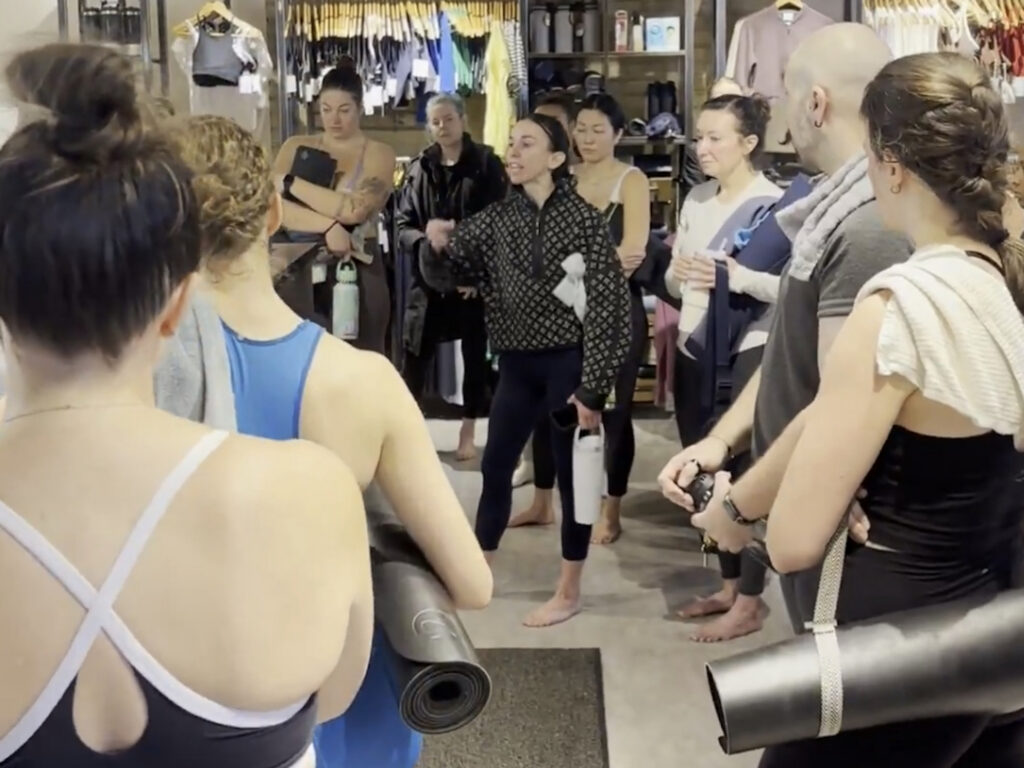
On February 6, a group of protesters gathered at a CorePower Yoga studio in Minneapolis to confront staff about the removal of an anti-ICE sign. The incident, captured in a viral video, shows about a dozen women expressing frustration and demanding answers from the studio employees. The protesters accused the studio of complicity in immigration enforcement actions by removing the sign, which they viewed as a statement against U.S. Immigration and Customs Enforcement (ICE). This confrontation has drawn attention to the tensions surrounding political expression in private business spaces and the expectations placed on companies to take public stances on contentious social issues.
The video depicts the protesters as emotional and insistent, repeatedly pressing the yoga studio staff to explain why the sign was taken down and why the business has remained silent on immigration matters. One protester is heard saying, "Give us answers, let’s go … let’s hear it, why are you being silent?" This moment reflects a broader cultural shift where public expressions of political views are increasingly expected, even in settings traditionally seen as neutral or apolitical. The pressure on businesses to demonstrate solidarity with social movements has become a significant factor in how companies manage their public image and customer relations.
CorePower Yoga’s decision to remove the sign sparked immediate backlash from the protesters, who argue that businesses should actively oppose policies they consider harmful, particularly those related to immigration enforcement. The protesters’ demands align with a larger immigrant rights movement that criticizes ICE for aggressive enforcement tactics. This movement has gained momentum in recent years, calling on institutions and companies to take clear stands against what they see as unjust immigration policies. The Minneapolis incident is one example of how these demands are playing out in everyday interactions and commercial spaces.
However, this confrontation also raises complex questions about the role of private businesses in political activism. Critics of the protest argue that forcing companies to publicly endorse specific causes can suppress genuine discourse and dissent. They warn that such pressure may lead to "performative compliance," where businesses display support not out of conviction but to avoid backlash. This dynamic can create an environment where authentic dialogue is replaced by superficial agreement, potentially undermining democratic debate and individual freedom of expression within commercial settings.
What's at stake
The incident has sparked diverse reactions. Supporters of the protesters maintain that businesses have a responsibility to take a stand on social justice issues, especially those affecting marginalized communities. They contend that silence or neutrality can be interpreted as tacit approval of harmful policies. On the other hand, some observers caution that confrontational tactics might alienate customers and employees who hold different views or prefer to keep politics separate from their personal and professional lives. This tension highlights the ongoing debate about the appropriate boundaries between commerce, activism, and personal belief systems.
Commentators have weighed in on the broader implications of the Minneapolis protest. For example, Chris Bray, a former infantry sergeant and commentator, criticized the protesters’ approach, suggesting that demanding uniform agreement risks creating "fake politics" rather than fostering honest conversation. He emphasized the importance of authentic discourse over forced compliance, arguing that open dialogue is essential for a healthy democratic society. Such perspectives underscore the challenge of balancing activism with respect for diverse opinions in public and private spheres.
As of now, CorePower Yoga has not issued a public statement addressing the incident or the protesters’ demands. The company’s silence leaves open questions about its stance on political expression within its studios and how it plans to navigate similar situations in the future. This lack of response may reflect the difficulty businesses face in managing competing pressures from customers, employees, and social movements, as well as concerns about potential reputational risks.
This episode at the Minneapolis yoga studio exemplifies a broader cultural conversation about the expanding role of businesses in social and political issues. As public spaces increasingly become venues for political expression, expectations for companies to take clear stands may continue to grow. The incident highlights the challenges of balancing personal beliefs, business interests, and societal pressures in an era marked by heightened activism and polarization. It also illustrates the complexities that arise when activism intersects with commerce, raising questions about corporate responsibility and the limits of political expression in private settings.
Looking ahead, it will be important to watch how CorePower Yoga and similar businesses respond to demands for political engagement. The evolving landscape suggests that companies may need to develop clearer policies on social issues and communication strategies to address activist pressures. Additionally, the broader debate about the role of businesses in activism is likely to persist, with potential implications for customer relations, employee morale, and public discourse. The Minneapolis incident serves as a case study in these ongoing tensions and the challenges of navigating political expression in commercial environments.
Why it matters
The protest highlights tensions over perceived complicity in immigration enforcement by private businesses. It reflects growing expectations for companies to take public stances on social and political issues. The incident underscores debates about the limits of political expression in private commercial spaces.
Confrontations like this raise concerns about stifling genuine discourse through demands for compliance. The situation illustrates broader cultural divides over activism, corporate responsibility, and free expression.
Key facts & context
On February 6, protesters confronted staff at a CorePower Yoga studio in Minneapolis over the removal of an anti-ICE sign. The incident was captured in a viral video showing about a dozen women demanding answers from the studio. Protesters accused the studio of complicity in immigration enforcement by removing the sign.
The confrontation reflects a wider immigrant rights movement critical of U.S. Immigration and Customs Enforcement (ICE). Critics argue that forcing businesses to take political stances can lead to performative compliance rather than genuine belief. CorePower Yoga has not publicly responded to the incident or protesters’ demands as of now.
The event has sparked debate about the role of businesses in social activism and political expression. Commentators have expressed concerns about the impact of such protests on authentic political discourse. The incident illustrates the challenges companies face balancing social pressures with diverse customer and employee views.
The protest occurred amid a broader cultural conversation about activism in public and private spaces.
Timeline & key developments
2026-02-06: Protests Erupt at Minneapolis Yoga Studio Over ICE Sign Removal. Additional reporting on this topic is available in our broader archive and will continue to shape this timeline as new developments emerge.
Primary sources
Further reading & references
- (Additional background links will appear here as we cover this topic.)
Related posts
- Minneapolis Protests Against ICE Expose Complexities and Contradictions in Immigration Debate
- Minneapolis Shooting Highlights Rising Tensions Over Immigration Enforcement and Community Safety
- ICE Drawdown in Minneapolis Signals Shift in Immigration Enforcement Focus
- Fatal Confrontation in Minneapolis Raises Concerns Over Immigration Enforcement Climate
- Shooting Incident in Minneapolis Raises Concerns Over Law Enforcement Resistance