TLT Explains
Senate Leader McConnell Faces GOP Pressure to Advance Controversial SAVE Act on Voting Rules
What's happening
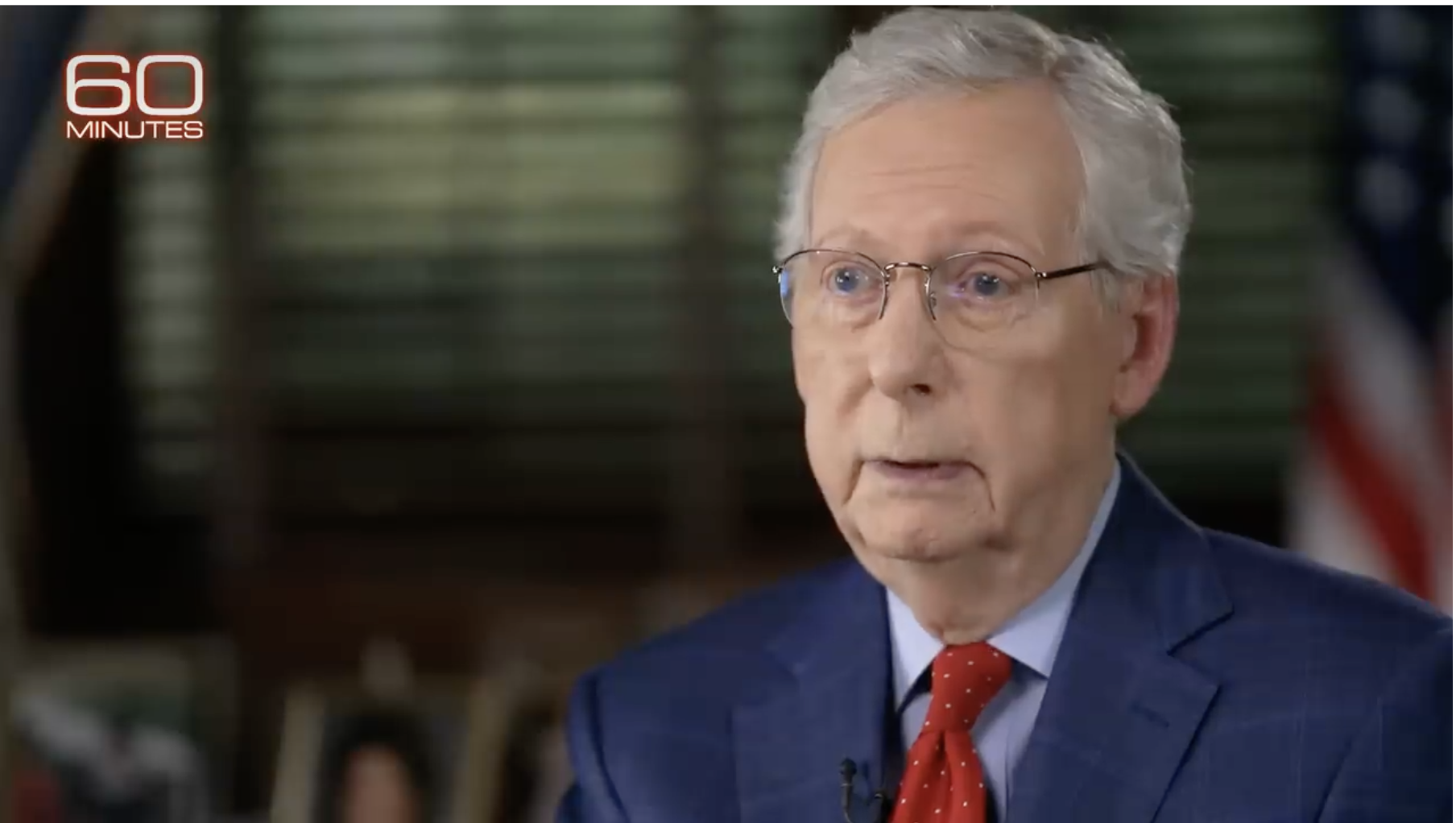
Senate Majority Leader Mitch McConnell is under growing pressure from House Republicans to move forward with the Safeguard American Voter Eligibility Act, known as the SAVE Act. This legislation would require voters to provide proof of U.S. citizenship when registering to vote, a measure supporters say is crucial for ensuring election integrity. Despite passing the House nearly 300 days ago, the bill has stalled in the Senate, prompting frustration among its proponents. Critics argue that McConnell’s hesitation to advance the bill is influenced by personal tensions with former President Donald Trump, who has been a vocal advocate for the legislation.
The SAVE Act has become a focal point in the broader national debate over election security versus voter access. Proponents contend that requiring citizenship verification addresses a significant loophole in current voter registration laws, which they say allows non-citizens to register and potentially vote. Opponents, including many Democrats, warn that the bill could disenfranchise millions of eligible voters, particularly those from marginalized communities. Senate Minority Leader Chuck Schumer has described the bill as "an abomination," emphasizing concerns about its disproportionate impact on minority voters and the potential erosion of voting rights.
The bill has garnered support from 48 Republican senators, reflecting strong backing within the GOP. However, McConnell has notably not co-sponsored the legislation, which has fueled discontent among House Republicans. Texas Representative Brandon Gill publicly called on McConnell to stop stalling the bill, stressing that the House has fulfilled its role and it is now the Senate’s responsibility to act. The urgency to pass the SAVE Act is heightened by the approaching midterm elections, with Republicans eager to implement what they view as necessary election reforms before voters head to the polls.
In response to the Senate’s inaction, House Republicans introduced the SAVE America Act, an expanded version of the original bill that adds a voter identification requirement alongside proof of citizenship. This move signals the GOP’s intent to intensify pressure on Senate leadership to bring election security legislation to the floor. Representative Chip Roy, a co-author of the new bill, urged Senate Majority Leader Chuck Schumer to allow a vote, framing the issue as a test of Democrats’ commitment to securing elections. The debate over these bills reflects deep partisan divisions on how to balance election security with voter accessibility.
What's at stake
Democrats and voting rights advocates argue that the SAVE Act is unnecessary and could suppress voter turnout. They highlight that current federal law, specifically the National Voter Registration Act of 1993, prohibits states from demanding documentary proof of citizenship for voter registration, a provision the SAVE Act seeks to override. Critics contend that the bill’s requirements could create barriers for eligible voters who may lack easy access to citizenship documentation, thus undermining democratic participation. These concerns have contributed to the bill’s stalled progress in the Senate, where Democrats hold enough seats to block it under the filibuster rules.
Supporters of the SAVE Act, including legal experts like Hans von Spakovsky of Advancing American Freedom, argue that the bill corrects a flaw in federal voting law that currently restricts states’ ability to verify citizenship. They maintain that the legislation does not infringe on states’ rights but rather empowers them to enforce citizenship requirements more effectively. This perspective frames the bill as a necessary step to prevent voter fraud and protect the integrity of elections, a message that resonates with a majority of Americans according to recent polls. A Gallup survey found that over 80% of respondents support requiring proof of citizenship to vote, underscoring the widespread public interest in election security measures.
The legislative path forward for the SAVE Act is complicated by Senate procedural rules. To overcome a filibuster and advance the bill, supporters would need 60 votes, a threshold unlikely to be met given the current 53-seat Republican minority. Some Republicans are exploring tactics to bypass or challenge the filibuster, potentially forcing Democrats into a prolonged debate or a “talking filibuster” to delay the vote. Despite these hurdles, advocates remain determined to prioritize the bill, with figures like Illinois Representative Mary Miller urging McConnell to bring the legislation out of committee and to the Senate floor for a vote.
This ongoing controversy over the SAVE Act highlights the broader national conversation about election integrity and voter access. The stakes are high as both parties prepare for the upcoming midterm elections, with the outcome of this legislative battle likely to influence voter confidence and participation. The debate encapsulates the tension between securing the electoral process against fraud and ensuring that all eligible citizens can exercise their right to vote without undue obstacles. How this issue unfolds in the Senate will be closely watched by lawmakers, voters, and advocacy groups alike.
Looking ahead, the key developments to watch include whether Senate leadership will schedule a vote on the SAVE Act or its expanded version, the SAVE America Act, and how the filibuster might affect the bill’s prospects. With midterm elections approaching, the timeline for action is compressed, increasing pressure on senators to take a clear stance. Additionally, public opinion and political dynamics within both parties could shape the debate in the coming months. Observers will be paying close attention to any shifts in support or strategy that might determine the future of this contentious election reform legislation.
Why it matters
McConnell is under pressure from House Republicans to advance the SAVE Act requiring proof of citizenship for voting. A Gallup poll shows over 80% of Americans support requiring proof of citizenship to vote, adding urgency to the debate. House Republicans introduced the SAVE America Act to strengthen voter ID requirements amid Senate inaction.
Democrats oppose the bill, arguing it could disenfranchise marginalized communities and suppress voter turnout. The bill faces a challenging Senate filibuster, requiring 60 votes to proceed, which is unlikely with current Senate composition. Supporters claim the SAVE Act fixes a legal loophole preventing states from verifying citizenship during voter registration.
The outcome of this legislation could significantly impact election integrity debates and voter participation ahead of midterms.
Key facts & context
The SAVE Act passed the House nearly 300 days ago but remains stalled in the Senate. 48 Republican senators support the SAVE Act, but Senate Majority Leader Mitch McConnell has not co-sponsored it. The SAVE America Act adds a voter identification requirement to the original SAVE Act.
Senate Minority Leader Chuck Schumer called the SAVE Act "an abomination" due to its potential impact on marginalized voters. The National Voter Registration Act of 1993 currently prohibits states from requiring documentary proof of citizenship for voter registration. Hans von Spakovsky, a legal fellow, argues the SAVE Act corrects this prohibition, allowing states to enforce citizenship verification.
A Gallup poll indicates over 80% of Americans favor requiring proof of citizenship to vote. The Senate requires 60 votes to overcome a filibuster, but Republicans hold only 53 seats, complicating the bill’s passage. House Republicans like Brandon Gill and Mary Miller have publicly urged McConnell to advance the bill.
The midterm elections are approaching, increasing pressure on Congress to address election security legislation.
Timeline & key developments
2026-02-06: McConnell Faces Pressure Over SAVE Act Amid Election Integrity Debate. Additional reporting on this topic is available in our broader archive and will continue to shape this timeline as new developments emerge.
Primary sources
Further reading & references
- (Additional background links will appear here as we cover this topic.)
Related posts
- Rep. Chip Roy Proposes Senate Strategy to Advance SAVE Act Without Filibuster Change
- Texas Primary Elections Reveal Shifts in Democratic and Republican Party Leadership
- Virginia Supreme Court Approves Controversial Redistricting Referendum Ahead of April Election
- Dems Try To Sabotage Push For Proof Of Citizenship To Vote
- Congress Must Pass The SAVE Act As Judge Blocks Trump Order