TLT Explains
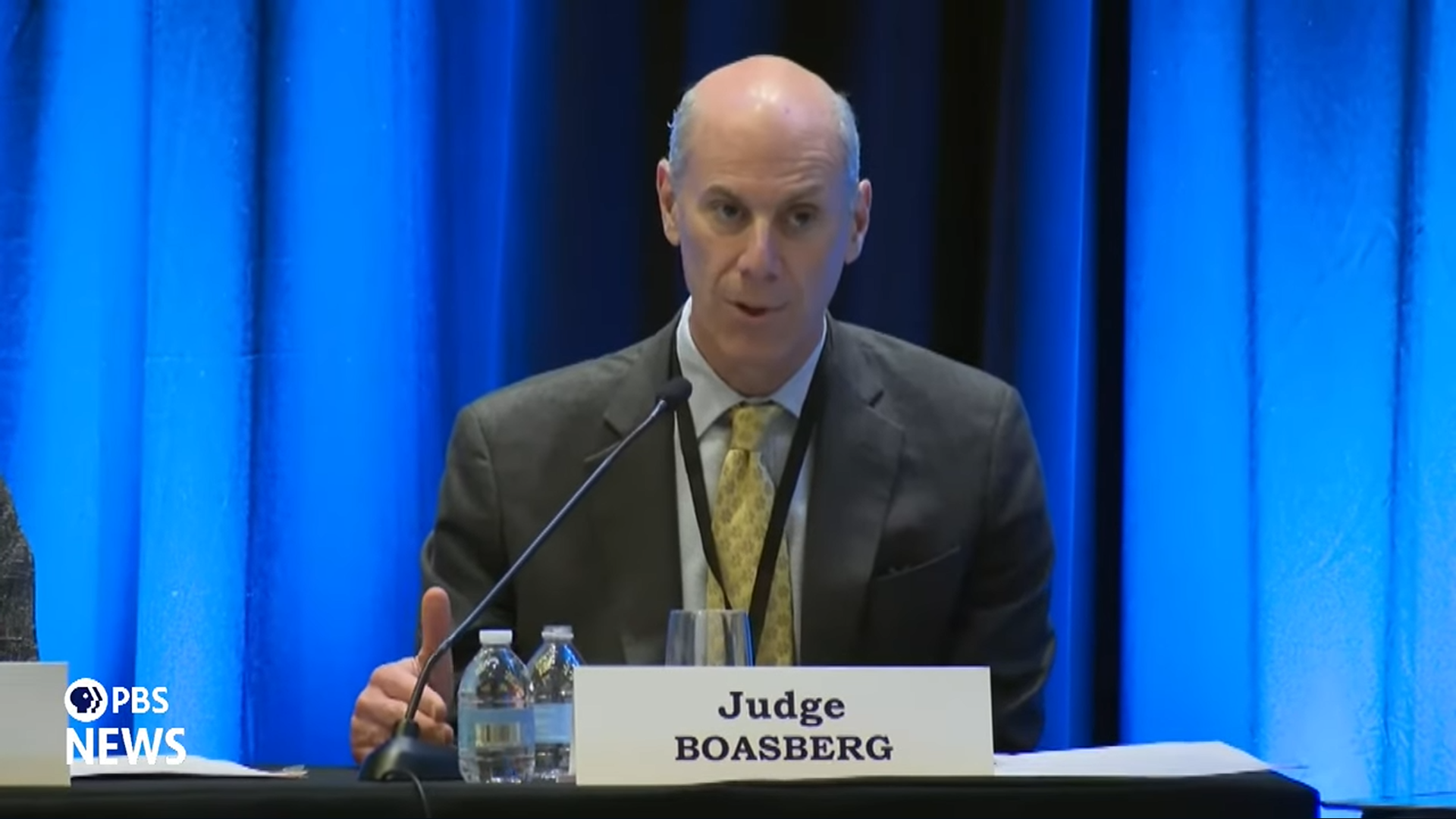
D.C. Appeals Court Overturns Judge Boasberg's Contempt Proceedings Against Trump Officials
What's happening
The D.C. Circuit Court of Appeals issued a significant ruling on Tuesday that halted contempt proceedings initiated by Chief Judge James Boasberg against former Trump administration officials. These proceedings were focused on officials involved in the deportation of individuals suspected of gang affiliation, specifically linked to the Tren de Aragua gang. The appeals court, in a 2-1 decision, described Boasberg's actions as a clear abuse of discretion, underscoring concerns about judicial overreach and the boundaries between the judiciary and executive branches of government.
This legal conflict stems from Boasberg’s efforts to investigate and hold accountable Trump-era officials for their decisions in deporting suspected gang members back to El Salvador. The district court had pursued contempt charges based on the officials’ alleged failure to comply with court orders related to the custody and transfer of these individuals. However, the appeals court found that the district court's order lacked the necessary clarity to support contempt findings, particularly because it did not explicitly address the transfer of custody, which was central to the contempt allegations.
The majority opinion, authored by Judge Neomi Rao, emphasized that Boasberg’s inquiry improperly intruded on executive branch decision-making, especially in matters involving national security and immigration enforcement. Rao noted that the district court sought to probe high-level executive deliberations, which traditionally fall within the purview of the executive branch, not the judiciary. This ruling highlights the ongoing tension between judicial oversight and executive autonomy, particularly in sensitive areas such as immigration policy and national security enforcement.
Judge Justin Walker joined the majority and wrote a concurring opinion supporting the decision to overturn the contempt proceedings. The ruling reflects a broader judicial caution against courts overstepping their authority and interfering with executive functions. Conversely, Judge J. Michelle Childs dissented, expressing concern that the ruling undermines the authority of district courts to enforce their orders and could set a precedent allowing litigants to evade contempt findings by disputing court orders before formal determinations are made.
What's at stake
The background of this case includes a temporary pause on Boasberg’s contempt proceedings imposed by the D.C. Circuit in December. Despite this pause, Boasberg expanded his inquiry by seeking additional information from government officials, including former Department of Homeland Security Secretary Kristi Noem, who was identified as the official responsible for the deportations. The appeals court criticized this expansion as unnecessary and improper, reinforcing the principle that courts must respect the separation of powers and avoid encroaching on executive discretion.
This ruling arrives amid heightened scrutiny of Judge Boasberg’s role in various investigations involving former President Trump and Republican lawmakers. Recent disclosures revealed that Boasberg met with members of special counsel Jack Smith’s team, prompting questions about his impartiality. Supporters of Boasberg argue that judicial oversight is essential to hold government officials accountable, especially in cases involving national security. However, critics caution that such investigations risk judicial overreach and may disrupt the functioning of the executive branch.
The implications of the appeals court decision extend beyond this specific case, serving as a reminder of the delicate balance between judicial authority and executive power. The ruling underscores the judiciary’s limited role in matters traditionally reserved for the executive, particularly immigration enforcement and national security decisions. It also raises important questions about how courts should handle contempt proceedings and the clarity required in court orders to support such actions.
Looking ahead, the ruling may influence how courts approach similar disputes involving executive actions and judicial oversight. It is likely to prompt a reassessment of the limits of contempt proceedings in cases involving executive branch decisions. Observers will be watching to see whether the district court adjusts its approach or whether further appeals or related litigation emerge. The decision also highlights ongoing debates about the proper scope of judicial intervention in politically sensitive areas, which will continue to shape the relationship between the branches of government.
Why it matters
The ruling highlights the tension between judicial oversight and executive branch autonomy in immigration enforcement. It raises concerns about judicial overreach into areas traditionally managed by the executive, such as national security decisions. The decision clarifies the importance of clear court orders to support contempt findings against government officials.
It underscores potential limits on courts’ ability to probe high-level executive deliberations in sensitive policy areas. The case illustrates challenges in balancing accountability with respect for separation of powers. The dissent warns of possible erosion of district court authority to enforce compliance with judicial orders.
The ruling could shape future legal standards for contempt proceedings involving executive branch actions.
Key facts & context
The D.C. Circuit Court of Appeals halted contempt proceedings initiated by Chief Judge James Boasberg against Trump administration officials. The contempt proceedings targeted officials involved in deporting individuals suspected of being gang members linked to the Tren de Aragua gang. The appeals court ruled 2-1 that Boasberg’s actions constituted a clear abuse of discretion.
Judge Neomi Rao authored the majority opinion, emphasizing improper judicial intrusion into executive decision-making. Judge Justin Walker joined the majority and wrote a concurring opinion supporting the ruling. Judge J. Michelle Childs dissented, expressing concern about undermining district court authority.
The district court had expanded its inquiry beyond initial contempt proceedings, seeking information from former DHS Secretary Kristi Noem. The appeals court found the district court’s order lacked clarity regarding custody transfer, undermining contempt charges. The case reflects broader tensions over judicial oversight in immigration enforcement and national security matters.
Judge Boasberg’s role in investigations involving Trump and Republican lawmakers has come under increased scrutiny recently. The ruling serves as a precedent limiting judicial interference in executive branch functions. The decision was issued amid ongoing debates about the separation of powers and the judiciary’s role in enforcing compliance.
Timeline & key developments
2026-04-14: D.C. Appeals Court Overturns Judge Boasberg's Contempt Proceedings Against Trump Officials. Additional reporting on this topic is available in our broader archive and will continue to shape this timeline as new developments emerge.
Primary sources
Further reading & references
- (Additional background links will appear here as we cover this topic.)
Related posts
- Legal Battles Against Trump Administration Raise Questions About Supreme Court’s Role and Credibility
- Trump DOJ Proposes Rule to Shield Federal Lawyers from Politically Motivated Bar Complaints
- D.C. Appeals Court Upholds Trump Administration's Ban on Transgender Military Service
- GOP Senators Call for Suspension of D.C. Judge Amid Impeachment Efforts
- U.S. Officials Cite Israel's Influence in Decision to Engage Iran
- U.S. Administration Signals No Plans for Refugees Amid Iran Conflict