TLT Explains
FBI Under Biden Reportedly Obtained Phone Records of Trump Campaign Officials in 2024
What's happening
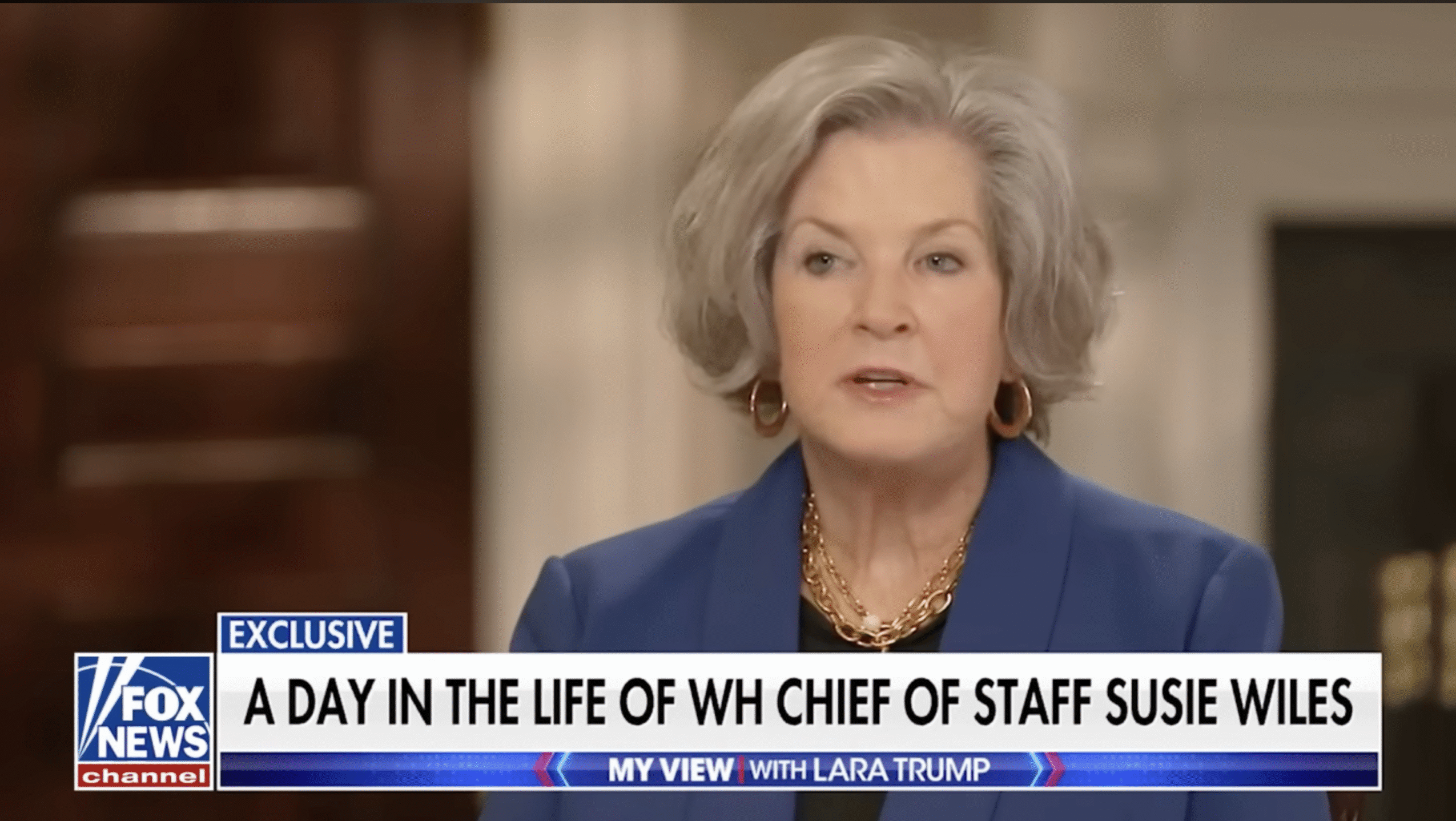
The FBI, during President Joe Biden's administration, reportedly obtained phone records of key officials associated with Donald Trump's 2024 presidential campaign, including Susie Wiles, who served as a co-campaign manager. This development has drawn sharp attention and comparisons to the Watergate scandal, raising serious concerns about political surveillance and its impact on democratic processes in the United States. The reported surveillance activities reportedly took place over a period spanning 2022 to 2023, a time when some of the individuals involved were private citizens.
According to reports, the FBI secretly subpoenaed these phone records as part of an investigation that critics argue may have crossed legal and ethical boundaries. Kash Patel, a former Trump administration official, has alleged that the FBI recorded a phone call between Wiles and her attorney without informing Wiles, though the attorney was aware of the recording. Patel described the FBI's actions as "outrageous and deeply alarming," emphasizing concerns about the use of flimsy justifications to target political opponents. The records in question were classified as "prohibited," complicating efforts to investigate potential misconduct within the bureau after Patel assumed office in February 2025.
These revelations come amid broader scrutiny of the FBI's practices under the Biden administration, with particular focus on the agency's classification of certain files. Iowa Senator Chuck Grassley has raised alarms about how such classifications can shield the FBI from congressional oversight and internal accountability. Grassley has criticized the agency for allegedly compiling an "enemies list" targeting Republicans, which reportedly was part of an inquiry known as "Arctic Frost." This inquiry aimed to investigate Republican figures in key battleground states, intensifying concerns about politically motivated surveillance.
What's at stake
The controversy surrounding the FBI's actions has reignited debates about the appropriate role of federal law enforcement in political matters. Critics argue that these actions represent a dangerous precedent, potentially undermining democratic norms and the principle of impartiality in law enforcement. Comparisons to the Watergate scandal highlight fears that federal resources might be misused for political purposes, eroding public trust in government institutions. While there is no direct evidence linking President Biden to the authorization of these surveillance activities, the situation has nonetheless raised significant questions about accountability and transparency.
Historically, the Watergate scandal of the 1970s involved illegal surveillance and break-ins connected to President Richard Nixon's campaign, leading to his resignation and a lasting impact on American politics. The current allegations evoke memories of that era, underscoring the sensitivity of political surveillance in a democratic society. The potential misuse of surveillance powers threatens the integrity of elections and could discourage political participation if candidates fear being targeted. This has serious implications for the democratic process and the public's confidence in fair competition during elections.
The stakes of this controversy extend beyond the individuals directly involved. If political surveillance becomes normalized, it could have a chilling effect on political discourse and candidacy, undermining the foundational principles of American democracy. The public's trust in federal law enforcement agencies is also at risk, as these institutions are expected to operate without partisan bias. The lack of a public response from the FBI or the Biden administration has further fueled concerns about oversight and the need for clearer guidelines to prevent political interference by law enforcement.
Looking ahead, the unfolding situation will likely prompt calls for increased transparency and stronger oversight mechanisms to ensure that federal agencies do not engage in politically motivated surveillance. Congressional investigations and hearings may seek to clarify the extent of the FBI's actions and the legal basis for the subpoenas. The debate over the FBI's role in political matters is expected to continue, with implications for future elections and the broader relationship between law enforcement and politics. Observers will be closely watching how the administration and the FBI address these allegations and whether reforms will be implemented to restore public confidence.
Why it matters
Political surveillance allegations raise concerns about the integrity of future elections and democratic norms. The FBI's classification of files may hinder congressional oversight and accountability. Targeted investigations of political opponents risk undermining public trust in federal law enforcement.
Comparisons to Watergate highlight the potential dangers of misusing federal resources for political purposes. Lack of transparency from the FBI and administration fuels doubts about impartiality and oversight.
Key facts & context
The FBI reportedly obtained phone records of Trump campaign officials, including Susie Wiles, during the 2024 presidential campaign. Phone records subpoenaed span from 2022 to 2023, a period when some subjects were private citizens. Kash Patel alleged that a phone call between Wiles and her attorney was recorded without Wiles' knowledge.
The records were classified as "prohibited," complicating efforts to investigate FBI conduct after February 2025. Senator Chuck Grassley criticized FBI file classifications for enabling the agency to avoid oversight. Grassley revealed documents suggesting the FBI compiled an "enemies list" targeting Republicans in battleground states.
The inquiry named "Arctic Frost" reportedly focused on investigating Republicans ahead of elections. No direct evidence links President Biden to ordering the surveillance, but concerns about political bias remain. The Watergate scandal involved illegal surveillance linked to Nixon's campaign, leading to his resignation.
The FBI and Biden administration have not publicly responded to these surveillance allegations. Critics warn that political surveillance could deter candidates and undermine democratic competition. Calls for clearer guidelines and oversight aim to prevent political bias in federal law enforcement.
Timeline & key developments
2026-02-26: Biden's FBI Reportedly Spied on Trump Campaign Officials. Additional reporting on this topic is available in our broader archive and will continue to shape this timeline as new developments emerge.
Primary sources
Further reading & references
- (Additional background links will appear here as we cover this topic.)
Related posts
- Protests and Public Opinion Challenge Biden Administration’s Immigration Policies Amid Rising ICE Enforcement
- Calls for Presidential Pardons for Trump Electors Amid Ongoing Legal Challenges
- Report: Biden Administration Concealed Information on Trump's Would-Be Assassin
- Documents Reveal Obama-Biden Administration's Actions in Clinton Investigation
- Arctic Frost '100 Times Worse Than Watergate' Media Won't Cover
- Arctic Frost Docs Expose Breadth Of DOJ’s Weaponization