TLT Explains
Bessent and Rubio Engage in Heated Exchanges with Democrats Reflecting GOP’s New Aggressive Stance
What's happening
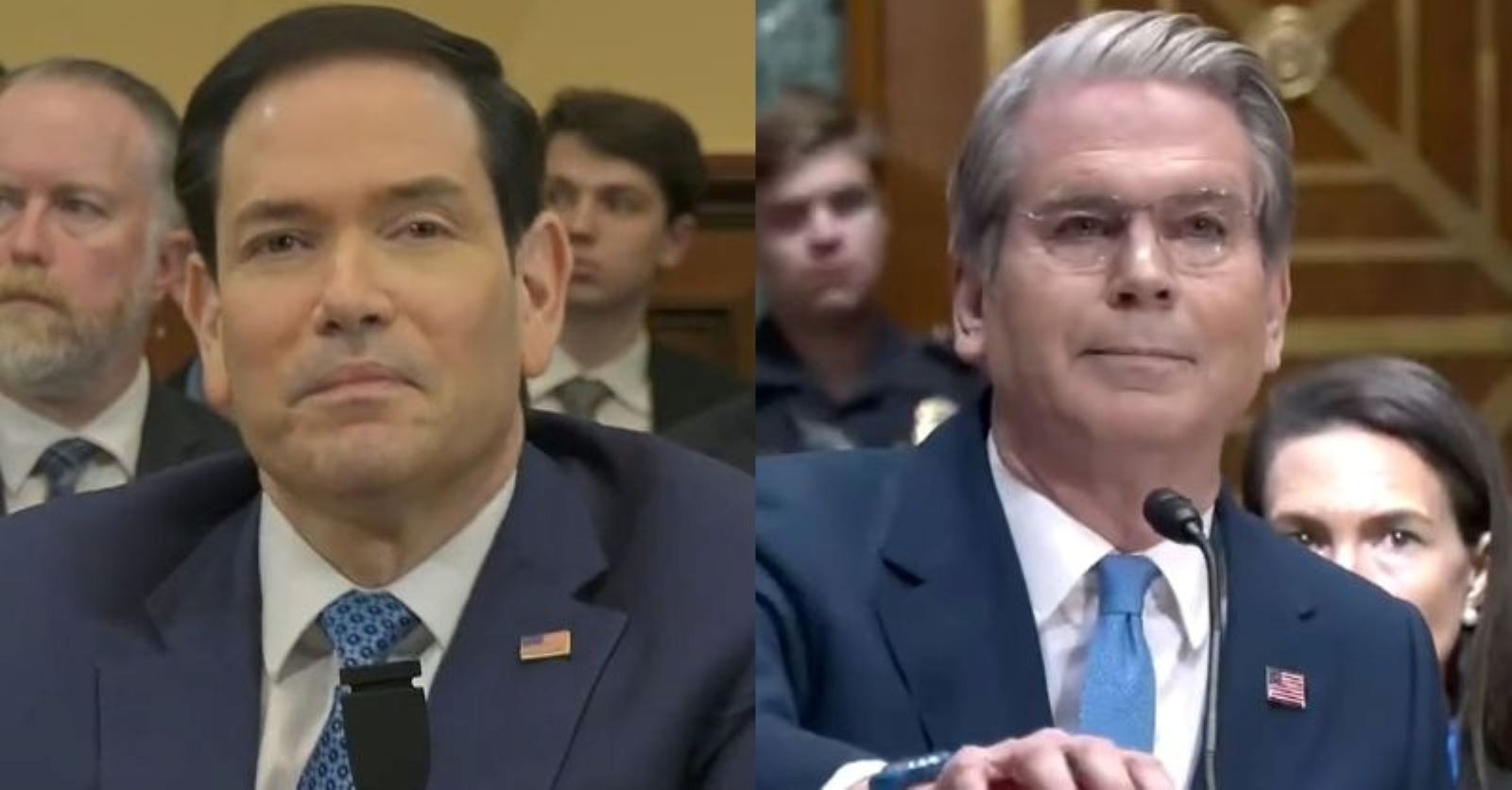
Treasury Secretary Scott Bessent and Secretary of State Marco Rubio recently engaged in confrontational exchanges with Democratic lawmakers during congressional hearings, signaling a notable shift toward a more aggressive Republican posture. These interactions took place in high-profile settings, including the Senate Finance Committee and the House Foreign Affairs Committee, where tensions ran high and civility norms were frequently tested. The confrontations highlighted a willingness among some Republican leaders to directly challenge Democratic counterparts, reflecting broader changes within the party since the Trump era. This new approach contrasts with the more measured tactics traditionally employed in congressional hearings.
The backdrop to these exchanges is the evolving political landscape within the Republican Party, which has increasingly embraced a combative style since Donald Trump’s presidency. This shift involves confronting not only Democratic criticisms but also perceived weaknesses within their own ranks. The aggressive tone adopted by Bessent and Rubio is part of a larger trend where GOP officials are less inclined to accept scrutiny quietly and more prepared to push back forcefully. The hearings where these exchanges occurred have become arenas for testing this new strategy, with both sides often escalating rhetoric and interruptions.
One of the most intense moments occurred during a Senate Finance Committee hearing when Treasury Secretary Scott Bessent confronted Senator Ron Wyden, a Democrat from Oregon. Bessent accused Wyden of using slander to divert attention from his son’s investment dealings with the late Jeffrey Epstein, stating, "Senator Wyden has mendaciously slandered the Treasury building in an attempt to cover up his son having an investment meeting with Jeffrey Epstein to ask for funding." This accusation was met with a sharp rebuttal from Wyden, who dismissed Bessent’s claims as baseless and politically motivated. The exchange underscored the heightened tensions and personal nature of the confrontations.
Senator Wyden has mendaciously slandered the Treasury building in an attempt to cover up his son having an investment meeting with Jeffrey Epstein to ask for funding.
Bessent further pressed Wyden by questioning the specifics of his son’s investments, including a reference to Rick’s Cabaret, a nightclub known for adult entertainment. He provocatively asked whether Wyden’s son and Epstein discussed such matters while seeking financial support, intensifying the hearing’s confrontational tone. This line of questioning was emblematic of the broader Republican strategy to challenge Democrats on ethical grounds and personal associations. It also illustrated how hearings are increasingly used as platforms for political point-scoring rather than solely for legislative oversight or inquiry.
What's at stake
Meanwhile, Secretary of State Marco Rubio faced similar challenges during a House Foreign Affairs Committee hearing. Representative Sydney Kamlager-Dove, a Democrat from California, repeatedly interrupted Rubio, accusing the Trump administration of corruption and labeling it "the most corrupt administration in American history." Rubio pushed back against what he described as an unfair hearing process, questioning why he was not allowed to respond fully to the accusations. His visible frustration and pointed remarks, including asking to reclaim his time, highlighted the breakdown in traditional hearing decorum and the rising partisan tensions.
the most corrupt administration in American history.
Rubio’s exchanges with Kamlager-Dove culminated in her leaving the hearing room amid his taunts, a moment that captured the heightened emotions and confrontational nature of these proceedings. Both Bessent and Rubio’s aggressive tactics represent a departure from the more conciliatory approaches that characterized earlier Republican leadership. This new posture is seen by supporters as necessary to counter what they view as unfair attacks, while critics argue it undermines the professionalism and effectiveness of congressional hearings. The shift reflects a broader transformation in how political battles are fought in Washington.
The implications of these confrontations extend beyond the hearings themselves. They signal a potential long-term change in Republican engagement with Democrats, one that may lead to increased partisan conflict and reduced opportunities for bipartisan cooperation. Constituents observing these exchanges may have varied reactions, with some appreciating the assertiveness and others concerned about the erosion of civility. The evolving dynamics also raise questions about how legislative processes and oversight functions will adapt in an environment marked by heightened hostility and strategic brinkmanship.
Looking ahead, the political landscape in Congress is likely to remain contentious as Republicans continue to adopt a more combative stance. Future hearings may see similar exchanges, with party members prepared to aggressively defend their positions and challenge opponents. How this affects legislative productivity and the ability to address pressing national issues remains uncertain. Observers will be watching closely to see whether this confrontational approach becomes the new norm or if there will be attempts to restore more traditional decorum and cooperation in the months and years to come.
Why it matters
The confrontations highlight a more aggressive Republican approach in congressional hearings, signaling a strategic shift. This change reflects the broader transformation within the GOP since Donald Trump’s presidency toward direct challenges of both Democratic and Republican figures. The aggressive exchanges may influence voter perceptions of their representatives and impact political dynamics in upcoming elections.
Heightened tensions in hearings could affect the effectiveness of congressional oversight and bipartisan cooperation. The confrontations underscore evolving norms in Washington, where traditional civility in political discourse is increasingly challenged.
Key facts & context
Treasury Secretary Scott Bessent and Secretary of State Marco Rubio engaged in confrontational exchanges with Democratic lawmakers during recent congressional hearings. Bessent accused Senator Ron Wyden of using slander to distract from his son’s investment dealings with Jeffrey Epstein. Rubio faced repeated interruptions from Representative Sydney Kamlager-Dove during a House Foreign Affairs Committee hearing.
Kamlager-Dove labeled the Trump administration as "the most corrupt administration in American history." Bessent questioned the nature of Wyden’s son’s investments, including references to Rick’s Cabaret. Rubio challenged the fairness of the hearing process, asking to reclaim his time amid interruptions.
These exchanges are part of a broader trend of increased partisan conflict in congressional hearings since Trump’s election. The confrontations have led to heightened emotions and a breakdown of traditional hearing decorum. A spokesperson for the Democratic Party did not respond to requests for comment regarding the exchanges.
The shift in Republican strategy may lead to more combative future hearings and affect legislative cooperation. The evolving political environment reflects broader changes in Washington’s approach to political discourse and oversight.
Timeline & key developments
2026-06-04: Bessent and Rubio Challenge Democrats in Heated Capitol Hill Exchanges. Additional reporting on this topic is available in our broader archive and will continue to shape this timeline as new developments emerge.
Primary sources
Further reading & references
- (Additional background links will appear here as we cover this topic.)
Related posts
- Virginia Republicans Reflect on Gerrymandering Referendum Loss Amid Funding Gap and Legal Battles
- California Primary Elections Spotlight Growing Progressive Shift in Democratic Party Amid Fiscal Challenges
- CBO Data Shows We Can't Afford To Extend Obamacare Subsidies
- Bomb Threats And Bad Ballots Mark Election Day In New Jersey
- Mamdani's Rise Signals The Islamic Revolution Remaking The US
- The Government Gives Too Much Authority To Leftist Academics