TLT Explains
Arizona Attorney General Kris Mayes to Seek New Indictment in Trump Electors Case
What's happening
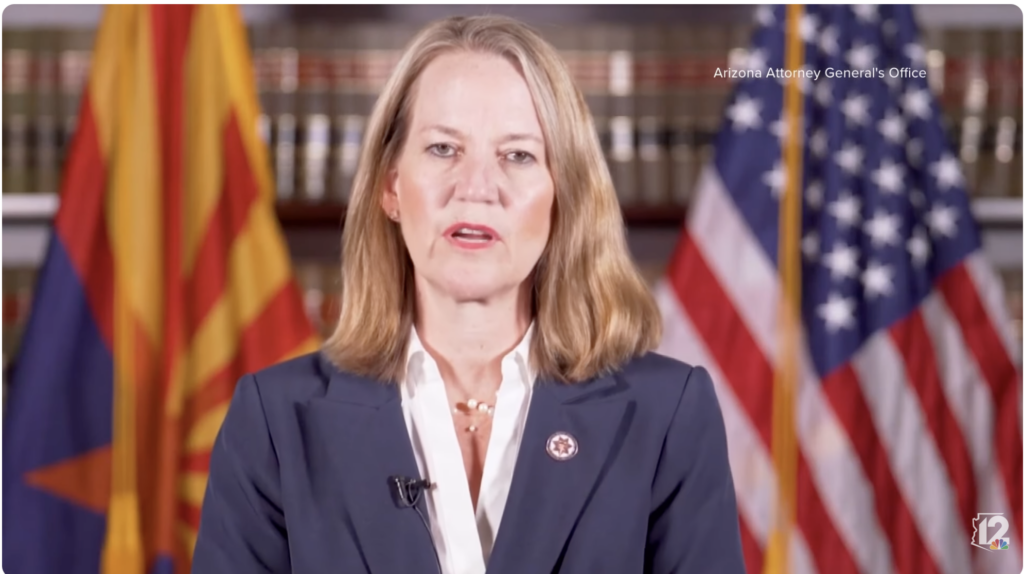
Arizona Attorney General Kris Mayes has announced plans to return to a grand jury to pursue a new indictment against Republican officials involved in the disputed 2020 presidential election events. This move follows a recent decision by the Arizona Supreme Court, which rejected an appeal from Mayes' office aimed at reinstating a previously dismissed indictment. The earlier indictment had been thrown out due to procedural errors, prompting the attorney general to seek a fresh legal approach.
The case centers on allegations that certain Republican figures acted as unauthorized electors in an effort to overturn President Joe Biden's certified victory in Arizona. In May 2024, a grand jury indicted 18 individuals, including former Trump chief of staff Mark Meadows and constitutional lawyer John Eastman. Former President Donald Trump was named as an unindicted co-conspirator in the case. These charges have sparked intense debate over the legitimacy and motivations behind the prosecution.
The legal battle has been marked by significant political controversy and accusations from both sides. Critics argue that the prosecution is politically motivated and distracts from pressing state issues such as crime and drug trafficking. Arizona GOP chairwoman Gina Swoboda has publicly criticized the case, calling it a waste of taxpayer resources and labeling it as politically driven rather than a pursuit of justice. On the other hand, Mayes defends the investigation as a necessary effort to uphold democracy and the rule of law.
Complicating matters, Mayes has faced scrutiny for allegedly withholding communications with the States United Democracy Center, an organization that reportedly advised her office during the indictment process. A state appeals court ruled that these documents were illegally withheld, intensifying questions about transparency and fairness in the case. Conservative watchdog group Judicial Watch has been particularly vocal, accusing Mayes of abusing her power and demanding full disclosure regarding the prosecution.
What's at stake
This case is part of a broader national pattern of legal challenges related to the 2020 election results. Similar efforts to prosecute alternate electors have emerged in states like Georgia, New Mexico, and Pennsylvania, with many facing dismissals or setbacks. In Michigan, for instance, a district court judge recently ruled that felony charges against 15 Republicans were unfounded, emphasizing their constitutional rights. Despite these developments, Mayes remains committed to pursuing the case in Arizona, signaling a determination to hold those involved accountable.
The stakes in this legal saga are high for all parties involved. For supporters of Mayes, the case represents a crucial stand against attempts to undermine electoral integrity and democratic processes. Conversely, opponents view it as an overreach that threatens political freedoms and deepens partisan divisions. The outcome could have lasting implications for election law enforcement and political accountability in Arizona and beyond, influencing how future election disputes are handled.
As Mayes prepares to reconvene a grand jury, attention will focus on how the new indictment process unfolds and whether it can withstand legal challenges. The timeline for this next phase remains uncertain, but it is expected to intensify political tensions within the state. Observers will also watch for potential appeals and the broader impact on national conversations about election legitimacy and the rule of law.
Looking ahead, the case will likely continue to shape Arizona's political landscape and could influence similar efforts in other states. The legal proceedings may extend over months or even years, with significant consequences for the individuals charged and the wider public trust in electoral systems. Stakeholders on all sides will be closely monitoring developments as the state grapples with the complex intersection of law, politics, and democracy.
Why it matters
The case involves allegations of unauthorized electors attempting to overturn Arizona’s 2020 presidential election results. A state appeals court found that Mayes’ office illegally withheld documents, raising concerns about transparency. The prosecution is seen by some as a defense of democracy and by others as politically motivated.
Similar election-related prosecutions in other states have faced dismissals, highlighting legal challenges nationwide. The outcome could influence future election law enforcement and political accountability in Arizona and beyond.
Key facts & context
In May 2024, a grand jury indicted 18 individuals including Mark Meadows and John Eastman. Donald Trump was named as an unindicted co-conspirator in the Arizona electors case. The Arizona Supreme Court denied Mayes’ appeal to reinstate a previously dismissed indictment.
A state appeals court ruled that Mayes’ office illegally withheld communications with the States United Democracy Center. Judicial Watch has criticized Mayes for alleged misuse of power and called for full disclosure. Arizona GOP chairwoman Gina Swoboda criticized the prosecution as a political distraction from state issues.
In Michigan, felony charges against 15 Republicans related to election actions were dismissed by a district court judge. Mayes plans to reconvene a grand jury to seek a new indictment following the court rulings. The case is part of a broader trend of legal challenges related to the 2020 election across multiple states.
The legal proceedings have significant political implications within Arizona and nationally.
Timeline & key developments
2026-06-05: Arizona AG Kris Mayes Plans New Indictment in Trump Electors Case. Additional reporting on this topic is available in our broader archive and will continue to shape this timeline as new developments emerge.
Primary sources
Further reading & references
- (Additional background links will appear here as we cover this topic.)
Related posts
- Trump-Backed Candidates Secure Key Wins in Indiana Republican Primaries, Indicating GOP Shift
- Arizona Judge Restores Election Authority to Maricopa County Recorder Justin Heap
- Trump Pardons 77 Citizens Targeted By Dems In Election Lawfare
- Trump's 'Complete' Pardons Cover Bogus State Election Charges
- Evidence Contradicts Comey's Claim His Indictment Is Political
- New Transcripts Shed Light on 2019 Trump Impeachment Process