Former Senator Jim DeMint has called for a significant shift in power from the federal government to the states, arguing that such a move is essential to address government waste and inefficiency. He asserts that the current concentration of power at the federal level has led to increased costs, fraud, and poor service quality across various sectors, impacting the lives of everyday citizens. DeMint believes that by decentralizing authority, states can better manage resources and respond to the needs of their populations.
The core issue at stake is whether decentralizing decision-making can lead to more effective governance and better services for citizens. DeMint contends that the federal government has become too involved in areas such as education, healthcare, and environmental regulation, which he believes should be managed at the state or local level. He argues that local governments are more attuned to the specific needs of their communities and can implement solutions that are tailored to their unique circumstances.
Historically, the United States thrived as a manufacturing powerhouse after World War II, but DeMint notes that over time, American companies became burdened by excessive management and rising costs. He cites Japan's rise in manufacturing quality during the late 1970s as a turning point, attributing it to the principles of Total Quality Management (TQM) developed by American consultants Edward Deming and Joseph Juran. "The concept of TQM was relatively simple, but hard for old-style executives to accept," DeMint said, emphasizing the need for decision-making to be pushed down to those directly involved in production and services. This shift in management philosophy allowed companies to enhance quality and efficiency, which DeMint believes can be mirrored in government practices.
Lessons from Manufacturing
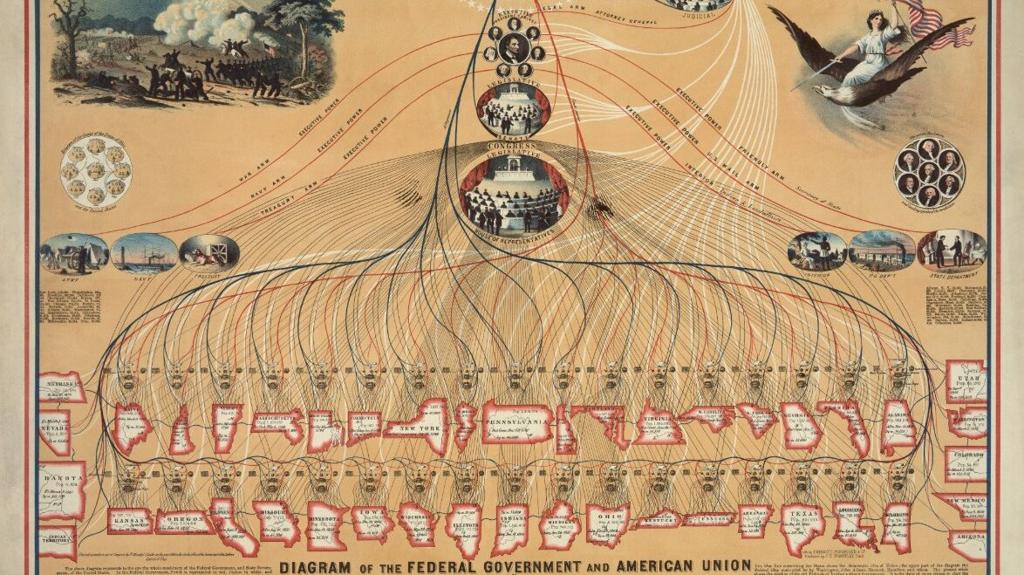
DeMint argues that the principles learned from TQM in the private sector can be applied to government. He believes that the Founding Fathers understood the dangers of concentrated power, as reflected in the Constitution's design, which aimed to distribute authority among the federal and state governments. "Power corrupts, and absolute power corrupts absolutely," he stated, highlighting the risks associated with federal overreach. This historical perspective underscores his argument for a return to a more balanced distribution of power.
He criticizes current federal policies for leading to waste, corruption, and inefficiency, claiming that the concentration of power has resulted in high costs and poor service delivery. DeMint points out that many issues, such as education and healthcare, could be better managed by states or private entities, except for areas like national defense and immigration, which he believes necessitate federal oversight. This suggests that a more localized approach could lead to improved outcomes in various sectors.
Political Resistance
Despite these arguments, DeMint claims that many federal politicians, particularly from the Democratic Party, resist efforts to decentralize power. He argues that this resistance stems from a political strategy to maintain control over funding and services, which he believes is used to manipulate voters. "Democrats benefit politically by controlling money and services and using this leverage to manipulate voters on a national scale," he said. This assertion raises questions about the motivations behind political decisions and the impact they have on governance.
Supporters of the current federal approach may argue that centralized governance is necessary for uniformity and equity across states, particularly in areas like healthcare and education. Critics of DeMint's perspective have not publicly responded to his claims, leaving his assertions largely unchallenged in the current discourse. This lack of counterarguments may indicate a need for further discussion on the effectiveness of federal versus state governance.
The Path Forward
DeMint urges voters to critically assess the effectiveness of federal governance and to demand accountability from their representatives. He believes that Republicans should be prepared to offer better solutions that emphasize state power and local governance. "Voters need to wake up and start asking 'why,'" he said, calling for a more engaged electorate. This call to action emphasizes the importance of civic participation in shaping government policies.
As the debate over the role of federal versus state power continues, DeMint's perspective adds to the ongoing discussion about government efficiency and accountability. His advocacy for TQM principles in governance seeks to inspire a reevaluation of how decisions are made and who holds the power to make them. By promoting state power, DeMint hopes to foster an environment where government can operate more effectively and responsively to the needs of its citizens.