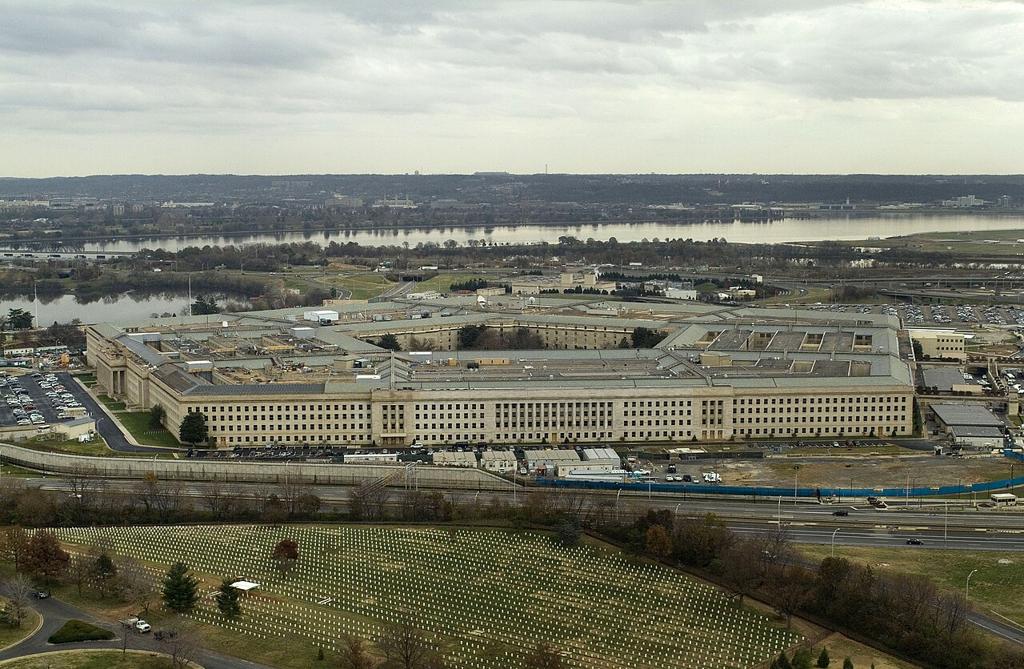
The Pentagon spent $93.4 billion in September 2025, marking the highest single-month expenditure on grants and contracts for a federal agency since at least 2008, according to a report by Open the Books. This spending spree, driven by the need to utilize unspent funds before the fiscal year ended, has drawn sharp criticism regarding the management of taxpayer dollars.
The core issue revolves around the Pentagon's practice of using "use-it-or-lose-it" funds, which are allocated for the fiscal year but remain unspent as the year concludes. Critics argue that this approach encourages wasteful spending rather than prudent fiscal management.
In September, the Department of War (DOW) allocated funds for a range of high-cost items, including luxury food items and office furniture. The report highlights that over $50 billion of the total was spent in the final five working days of the month, a period characterized by a rush to exhaust budget allocations.
Background and Reactions
Among the notable expenditures, the Pentagon spent $2 million on Alaskan king crab and $6.9 million on lobster tails. Other extravagant purchases included $15.1 million on ribeye steak and $124,000 on ice cream machines. Such spending has raised eyebrows, with critics questioning the necessity of these items in the context of national defense priorities.
Additionally, the DOW spent $225.6 million on furniture in September, the highest amount since 2014. This figure represents a significant increase from the average monthly spending of $38.8 million on furniture throughout the year. Included in these purchases were high-end items such as chairs from the premium manufacturer Herman Miller, with one Aeron Chair costing $1,844.
Broader Implications
Open the Books CEO John Hart described the Pentagon's spending as "unacceptable," emphasizing the need for reform. He stated, "American taxpayers expect their dollars to support critical defense priorities, not lavish dinners." Hart also pointed out that such spending practices could undermine national security by diverting funds from essential military needs.
The report also noted that the Pentagon's spending included $5.9 billion on IT and telecommunications services, $5.3 million on Apple devices, and $4 million on Samsung devices. Furthermore, $6.6 billion was spent on purchases from foreign governments and foreign-owned businesses.
In response to the criticism, Pentagon officials have not publicly addressed the specific allegations of wasteful spending. However, some defense analysts argue that the end-of-year spending is a necessary mechanism to ensure that budget allocations are fully utilized, preventing future funding cuts.
Calls for Budget Reform
Open the Books concluded its analysis by referencing a request from former President Trump to increase the Pentagon's budget from approximately $1 trillion to $1.5 trillion. The organization recommended that Congress consider allowing the Pentagon to roll over unspent funds to the following fiscal year, rather than risking wasteful expenditures on non-essential items.
The report also pointed out that the current one-year deadline for budget utilization is arbitrary and should be re-evaluated. "Article 1, Section 8 of the Constitution states that funding 'to raise and support armies' can be used up to two years after it is appropriated," the report noted.
As the Pentagon continues to face scrutiny over its spending practices, the debate over budget management and fiscal responsibility remains a critical issue for lawmakers and taxpayers alike. The implications of these expenditures extend beyond mere financial concerns, touching on the broader effectiveness of U.S. defense strategies in an increasingly complex global landscape.