The 80th anniversary of the Nuremberg Trials serves as a critical reminder of the horrors associated with unchecked human experimentation during World War II. This milestone highlights the atrocities that led to the establishment of the 1947 Nuremberg Code, a foundational document in medical ethics that emphasizes informed consent, minimal risk, and the prohibition of exploiting vulnerable human beings. The code prioritizes the safety of all human subjects over any perceived societal benefits.
Explainer The Complex Legal Landscape of Abortion: State Laws, Federal Shifts, and Cultural Battles
However, a significant flaw in U.S. regulations warrants attention: the outdated definitions in 45 Code of Federal Regulations (CFR) Part 46, which governs the protection of human subjects in research funded or conducted by the Department of Health and Human Services (HHS). Critics argue that it is time to align this decades-old law with current scientific understanding of human embryology.
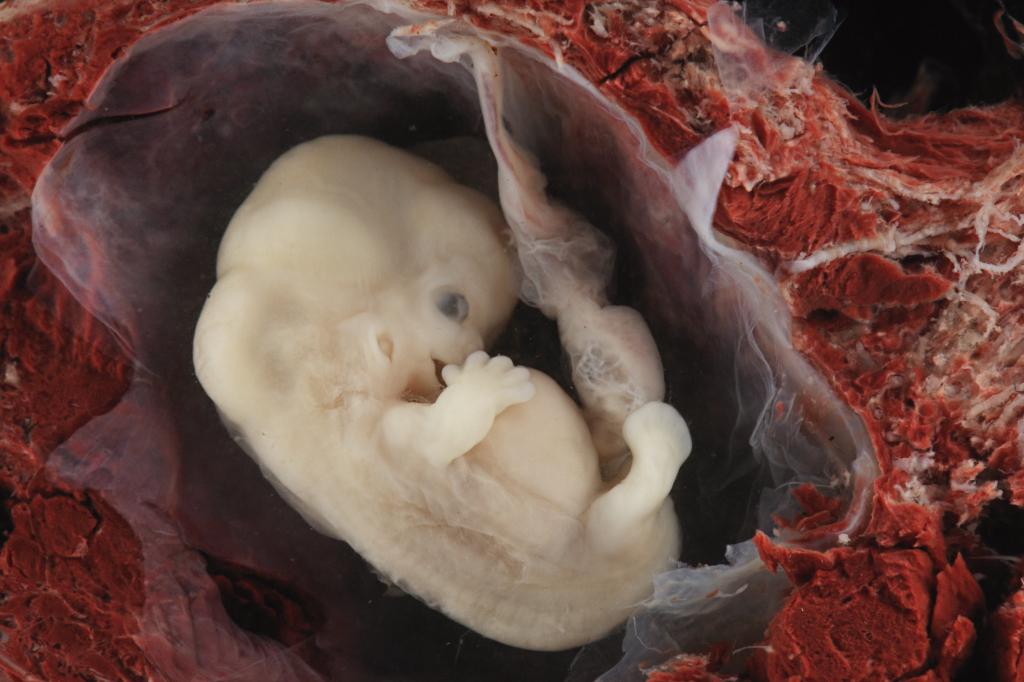
While 45 CFR 46 offers baseline protections and additional safeguards for vulnerable populations, it contains misleading definitions regarding fundamental terms related to human development. For instance, the regulation defines a "fetus" as the "product of conception from implantation until delivery" and "pregnancy" as the time from implantation until delivery. Notably, it fails to define the term "embryo," which is critical since the embryonic period is when all major organs and body systems begin to form.
Experts in human embryology assert that the first stage of human development begins at fertilization, not implantation. The Carnegie Stages of Human Embryonic Development, a recognized standard in the field, delineate the stages of development from fertilization through the embryonic period, which lasts until eight weeks. According to Ronan O’Rahilly, a leading authority on human embryology, "Prenatal age begins at fertilization, postnatal age at birth."
The implications of these definitions are profound. Misleading terminology can lead to the creation and destruction of human embryos for research purposes, often indirectly funded through loopholes in federal regulations. Millions of human embryos are currently frozen in in vitro fertilization (IVF) facilities, with many facing destruction or being donated to laboratories. Accurate definitions could extend protections to these embryos, potentially reducing their destruction and promoting ethical alternatives.
Additionally, the misdefinition of pregnancy affects the labeling of abortifacients. For example, drugs like Plan B, which can prevent implantation of a fertilized egg, are marketed as "contraceptives" rather than abortifacients due to the current definitions. Updating 45 CFR 46 would necessitate clearer labeling, empowering women with accurate information for informed consent and aligning regulations with biological realities.
The debate extends to stem cell research, where the use of accurate scientific definitions could yield significant benefits. Destructive methods involving embryonic stem cells have not produced any FDA-approved therapies, while adult stem cells have successfully treated millions of patients for various conditions. Redirecting research efforts towards ethical alternatives could foster innovation without compromising ethical standards.
Regardless of individual views on abortion, IVF, or human embryo research, perpetuating inaccurate definitions leads to flawed consent processes, invalid scientific outcomes, and diminished public trust. This mirrors the dehumanization that facilitated Nazi experiments on individuals deemed "subhuman." Advocates argue that federal regulations should reflect biological truths rather than agendas that favor certain research practices or pharmaceutical interests.
Brooke Stanton, co-author of "The First 56 Days of You: How Your Human Journey Begins," emphasizes the need for HHS to adopt accurate definitions of human embryo, fetus, and pregnancy. She argues that this change is not merely a matter of policy but a necessary step toward ethical scientific research that respects human dignity.
The Bottom Line
- Legal or policy outcomes depend on hearings, rulemaking, and potential court challenges.
- The 80th anniversary of the Nuremberg Trials underscores the importance of ethical standards in human research, particularly in light of historical abuses.
- Outdated definitions in U.S. regulations hinder the protection of human subjects, particularly embryos, impacting ethical research practices.
- Misleading terminology in federal regulations affects informed consent and the labeling of drugs, influencing public perception and trust in medical practices.