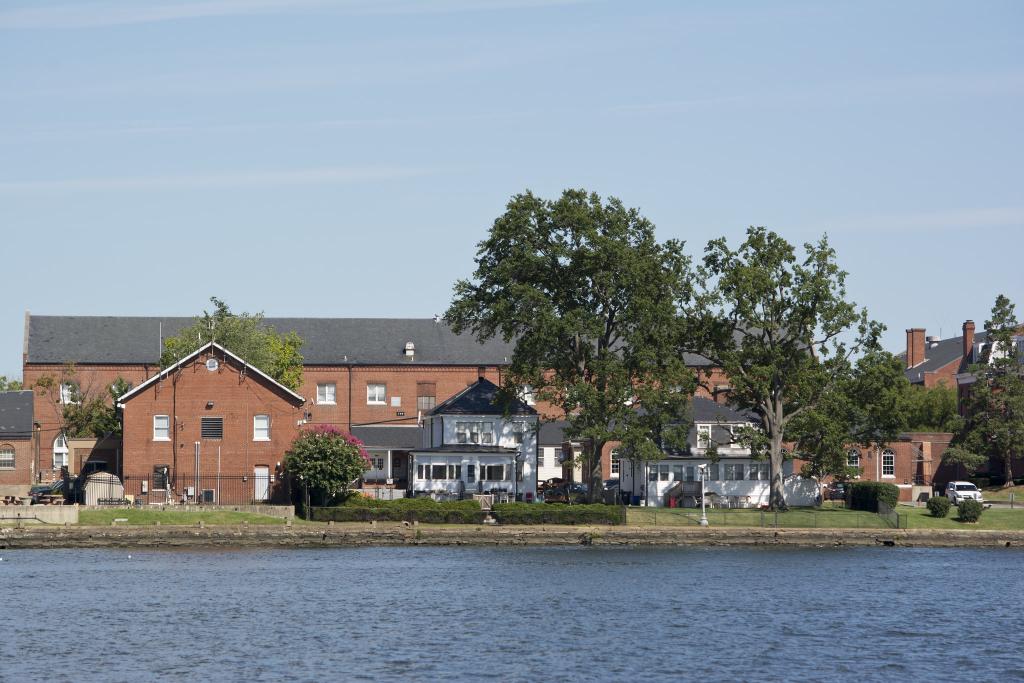
Senior members of the Trump administration are reportedly facing significant threats, prompting some to relocate their families to military bases for safety. According to a recent article in The Atlantic by Michael Scherer, Missy Ryan, and Ashley Parker, officials including Stephen Miller and Kristi Noem have been compelled to leave their homes due to an increase in threats and violence against conservatives.
The piece suggests that the polarization of American politics has contributed to this climate of fear. The authors argue that the Trump administration has played a role in fostering this division, stating, "the nation’s polarization, to which the Trump administration has itself contributed," has led to heightened risks for its officials.
Miller, a prominent adviser, has been a target of threats, with the article noting that he has been publicly criticized for his rhetoric. The authors highlight that his advocacy for strict immigration policies has drawn ire from leftist groups, which they claim have threatened his family.
Adria Lawrence, a professor at Johns Hopkins University, commented on the situation, stating that the military's role in protecting Cabinet officials raises concerns. "The military of a robust democracy should be for the defense of the country as a whole and not just one party," she said.
The Atlantic also draws parallels between the current threats faced by Trump officials and past incidents involving Biden administration officials. The authors mention that Secretary of State Antony Blinken faced harassment from protesters, illustrating that political violence is a broader issue. However, they emphasize that the current threats against Trump officials are particularly severe.
Despite the serious nature of these threats, the article suggests that some may view the relocation to military bases as a "status symbol" that confers importance upon the displaced families. The authors note that this separation from the metropolitan area may deepen divisions between Trump’s advisers and the general public.
The article also critiques the media's framing of the situation. The New York Times reported on the relocation without addressing the underlying threats, raising questions about the motivations behind the move. The authors of The Atlantic piece express disbelief that the dangers faced by Trump officials are not being fully acknowledged.
In summary, the relocation of Trump administration officials to military bases highlights the ongoing tensions in American politics, with threats of violence prompting significant changes in their living arrangements. The Atlantic's analysis underscores the complexities of political discourse and the implications of rising polarization in the country.