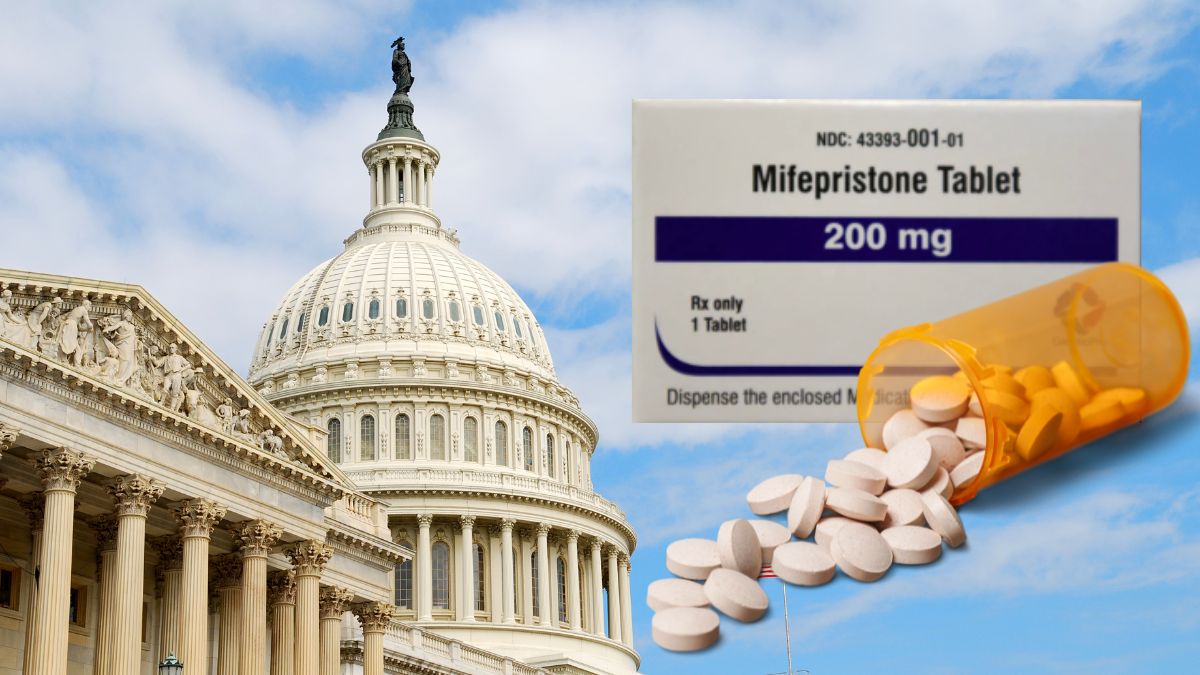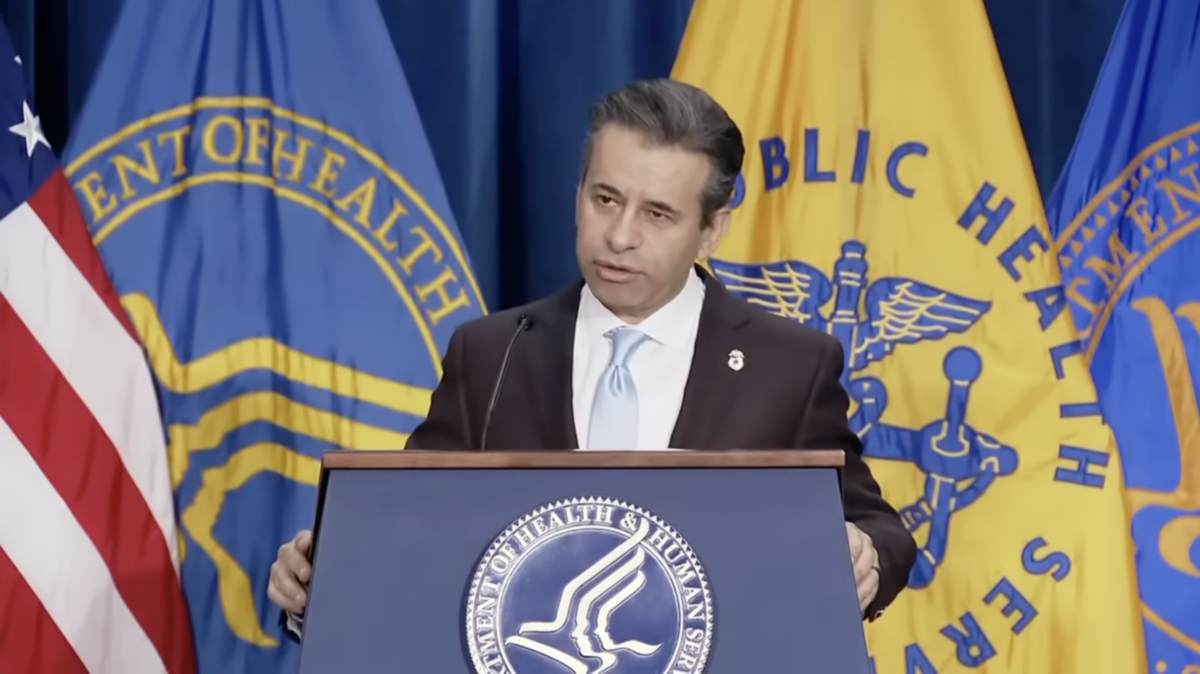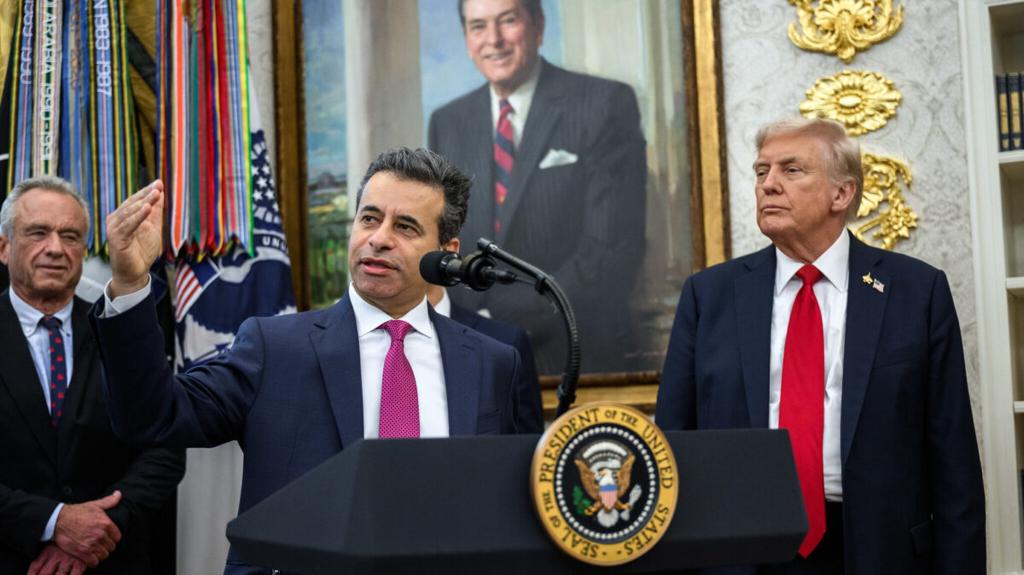
Data collected by President Donald Trump’s trusted pollster indicates that a majority of likely voters believe the U.S. Food and Drug Administration (FDA) should impose stricter regulations on mifepristone, a drug linked to over half of U.S. abortions. The August 2025 survey from McLaughlin and Associates, described by Trump as 'one of the most highly respected in the industry,' reveals that even among self-identified pro-abortion voters, there is significant concern regarding the drug's safety and the need for enhanced oversight.
Explainer The Complex Legal Landscape of Abortion: State Laws, Federal Shifts, and Cultural Battles
The survey, which included 1,600 likely voters, found that 59 percent of respondents held a favorable view of Planned Parenthood, yet many expressed doubts about the safety of chemical abortions. Only 16 percent deemed mifepristone 'very safe,' while nearly 60 percent considered it 'unsafe' or were unsure of its safety. This skepticism extended across the political spectrum, with 57 percent of pro-abortion respondents acknowledging concerns about the drug.
Furthermore, 71 percent of those surveyed supported the requirement for women to consult a doctor before obtaining a prescription for abortion medication. A majority, 60 percent, agreed that 'chemical abortions are far more dangerous than advertised' and that women deserve medical supervision to prevent serious health complications.
The poll also highlighted concerns about the potential for abuse, with 70 percent of respondents agreeing that chemical abortion drugs could be misused by sexual abusers. Many advocated for doctors to screen for signs of coercion before prescribing mifepristone. The survey suggests that a significant portion of abortions—estimated at 70 percent—are unwanted or coerced, raising alarms about the current regulatory framework.
Critics of the Biden administration's approach argue that recent policy changes have made it easier for individuals to obtain mifepristone without adequate medical oversight. The FDA's previous safeguards, which mandated in-person consultations and follow-up visits, have been relaxed, allowing for mail-order prescriptions and pharmacy access without a doctor's visit. This shift, according to opponents, has increased risks for women and has led to serious health complications in some cases.
The survey results indicate a strong public desire for the restoration of these safeguards. Approximately 81 percent of respondents believe that chemical abortion drugs should not be available online or without a woman's knowledge or consent. Additionally, 69 percent noted an increase in serious adverse effects from these drugs, reinforcing the call for the FDA to reinstate protective measures.
Support for labeling changes also emerged, with 87 percent of respondents favoring updates that would accurately reflect the potential risks associated with mifepristone, including severe side effects like heavy bleeding and infections. The data suggests a growing consensus that the current regulatory environment prioritizes profit over women's health and safety.
As the Trump administration prepares for a potential second term, there is an opportunity to address these concerns and reinstate some of the previously established safeguards for mifepristone. The FDA has the authority to modify risk evaluation and mitigation strategies if deemed necessary, particularly in light of rising adverse event reports associated with the drug.
Despite the momentum gained from the Supreme Court's 2022 decision in Dobbs v. Jackson, which has energized pro-life efforts, the pace of regulatory changes regarding mifepristone has been slow. Advocates for stricter regulations argue that immediate action is needed to protect vulnerable women and ensure that abortion practices prioritize health and safety.
The Bottom Line
- Referenced datasets and surveys are correlational unless stated otherwise.
- Legal or policy outcomes depend on hearings, rulemaking, and potential court challenges.
- Majority of likely voters support stricter FDA regulations on mifepristone, indicating widespread concern about its safety.
- Significant skepticism about chemical abortions exists even among pro-abortion voters, highlighting a potential shift in public opinion.