Canterbury Cathedral, a historic site founded by St. Augustine and known for its association with Thomas Becket, has been defaced with graffiti that critiques God, coinciding with a high-profile theft at the Louvre Museum in Paris. The cathedral's curator, Jacqueline Creswell, and dean, David Monteith, supported the graffiti exhibition, which they claim addresses issues faced by marginalized communities.
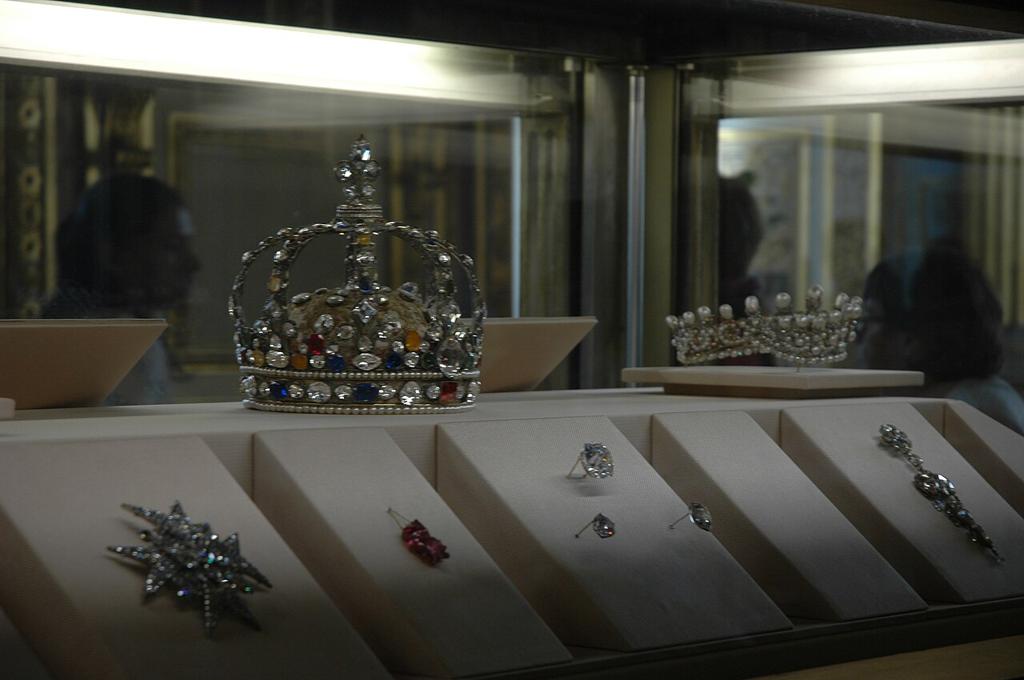
The Louvre heist, which occurred over the weekend, involved the theft of nine items from a collection linked to French royalty, including artifacts from the era of Napoleon Bonaparte. French President Emmanuel Macron condemned the theft as an "attack on [France’s] heritage."
In contrast, the graffiti at Canterbury Cathedral, which debuted on Friday, has sparked controversy. Critics argue that the cathedral's decision to allow such expressions undermines its historical and spiritual significance. The graffiti includes messages accusing God of being "indifferent to suffering" and "creating hate."
The actions at Canterbury Cathedral reflect broader cultural tensions in Europe, where some officials have criticized displays of national pride, such as the flying of the St. George’s Cross and the Union Jack, labeling them as divisive. This sentiment has been echoed by various leaders as they navigate the complexities of immigration and cultural identity.
The British monarch, King Charles III, faced scrutiny for his Easter message, which included a reference to Islam, highlighting the growing prominence of the Muslim community in the UK. Between 2001 and 2021, the Muslim population in the UK more than doubled, raising questions about integration and cultural cohesion.
Recent incidents, including a violent attack on a Manchester synagogue by a Syrian-born man, have further fueled debates on immigration policies and their societal impacts. Critics argue that these policies often overlook the challenges faced by local communities and can lead to tensions.
In France, the government has issued a record number of residence permits to non-European immigrants, prompting concerns about the integration of diverse cultures. Incidents of unrest, such as riots in Lausanne, Switzerland, following the death of an Algerian man during a police chase, have also raised alarms about social stability.
Amid these challenges, European governments are facing accusations of censorship, particularly regarding expressions of faith and national identity. Some officials have been criticized for targeting citizens over private expressions of belief or dissenting opinions on social media.
As Europe grapples with its cultural identity, the juxtaposition of the Louvre heist and the Canterbury Cathedral graffiti highlights a growing divide over heritage, identity, and the role of tradition in contemporary society. Critics argue that the actions of some leaders reflect a broader trend of undermining Europe’s historical and cultural foundations, which they believe are essential to the continent's identity.