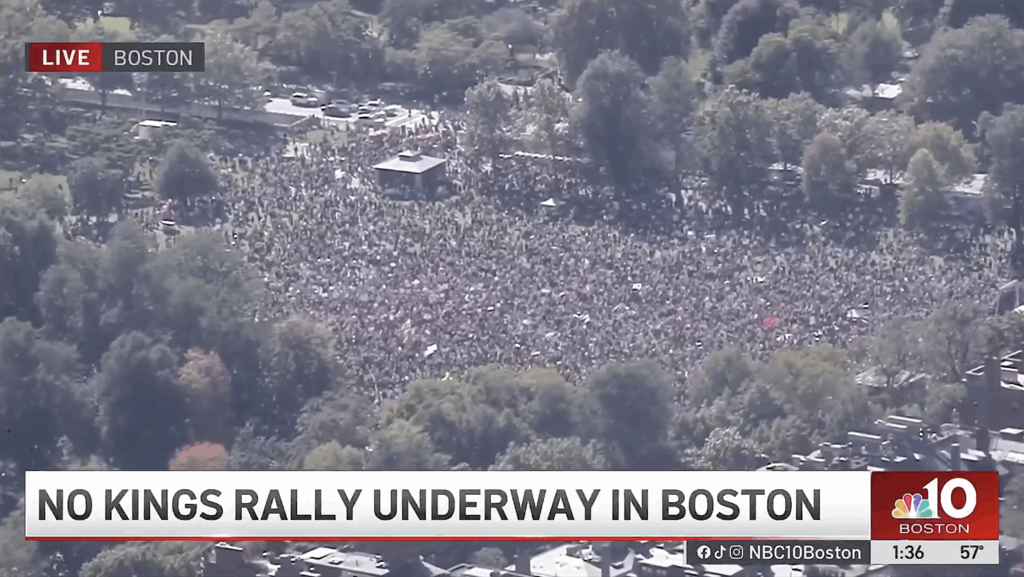
Recent protests against former President Donald Trump have highlighted a significant demographic shift within the Democratic Party, as participation appears to skew heavily toward older individuals. Reports from various locations indicate that the protests, dubbed "No Kings," featured predominantly older attendees, raising concerns about the party's appeal to younger voters.
NBC Boston described the scene at one protest, noting, "This is an older crowd … A lot of white hair. You see Q-Tips as we used to call them in the business … not a lot of young people." This observation reflects a broader trend, as younger generations, particularly Gen Z, increasingly lean toward Republican candidates.
A study by CIRCLE revealed that the youth vote was "more Republican and conservative in 2024," with economic issues being a primary concern driving this shift. The findings suggest that Gen Z is charting a different political course compared to Millennials, with recent data indicating that they are the "most pro-GOP generation alive."
Lee Miringoff, director of the Marist University Institute for Public Opinion, noted that Trump resonates with voters dissatisfied with the current state of affairs. "Trump is making connections with people who are very dissatisfied with the way things are," Miringoff said. He emphasized that this sentiment is particularly strong among younger voters, who are feeling economic stress.
Democrats face challenges in registering young men, as highlighted by a study from Speaking with American Men (SAM). The study found that many young men perceive Democrats as lacking investment in their issues. SAM co-founder Ilyse Hogue stated, "Democrats are seen as weak, whereas Republicans are seen as strong." This perception contributes to a growing sense of invisibility among young men within the Democratic coalition.
The SAM report also noted that young men feel trapped in a "no-win situation" regarding traditional milestones, such as homeownership and saving for children's education. This sense of frustration may be driving them away from the Democratic Party, which historically relied on the youth vote for electoral success.
In response to these challenges, Democrats have organized protests against Trump, but critics argue that this strategy may not resonate with younger voters facing economic difficulties. The party's focus on older issues and messaging may alienate the very demographic it needs to engage.
As the Democratic Party grapples with its identity and outreach efforts, the contrast between its aging base and the younger electorate becomes increasingly pronounced. While the party continues to protest against perceived threats, the lack of youth participation raises questions about its future electoral viability.
The Democratic Party's struggle to connect with younger voters may necessitate a reevaluation of its strategies and messaging to remain competitive in upcoming elections.