The assassination of conservative commentator Charlie Kirk has sparked a contentious debate over historical comparisons made in the aftermath of the tragedy. Critics argue that some narratives trivialize the severity of the event and misrepresent the motivations behind political violence.
Explainer Free Speech Battles: Courts, Censorship, and Cultural Conflicts
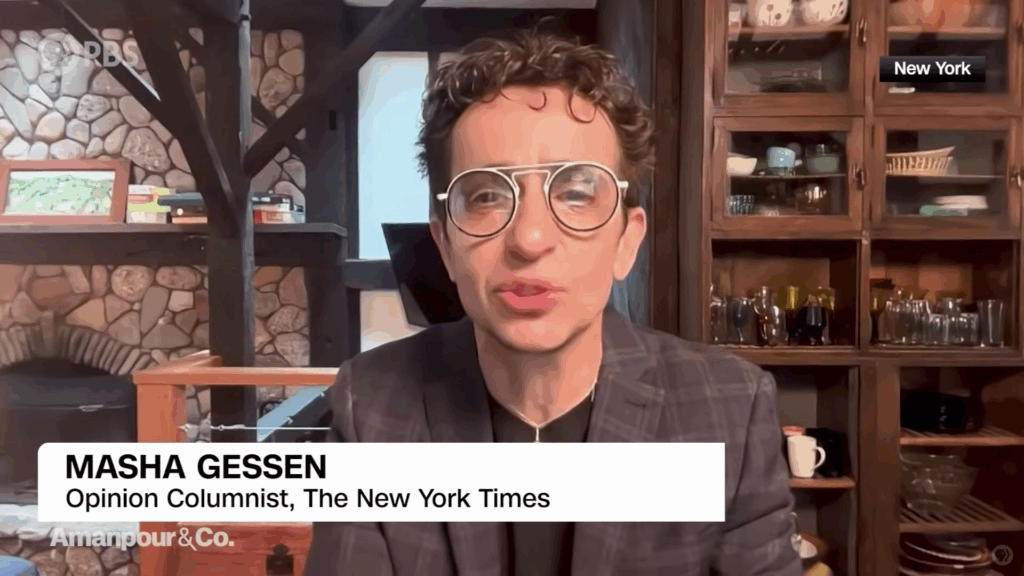
In a recent column for The New York Times, Masha Gessen drew parallels between Kirk's assassination and the 1938 killing of a Nazi diplomat by Herschel Grynszpan, a Jewish refugee. Gessen suggested that Grynszpan's actions were driven by desperation and could be likened to the motivations of Kirk's alleged assassin, Tyler Robinson. Gessen wrote, "Grynszpan’s action served as a pretext for Kristallnacht, a two-day state-sponsored pogrom in Nazi Germany." (Archive)
Kirk, a prominent figure in conservative circles, was killed in an incident that has raised questions about the political climate in the United States. Gessen's column has drawn criticism from various quarters, with some accusing her of attempting to justify violence against political opponents.
Critics, including conservative commentators, have condemned Gessen's remarks as irresponsible. They argue that equating Kirk with a Nazi official undermines the historical context of both events. "There is no widespread persecution of trans-identifying people or leftists to the same degree faced by German Jews in 1938," (Archive) said one commentator, emphasizing the inappropriateness of the comparison.
Supporters of Gessen maintain that her column highlights the dangers of political rhetoric and the potential for violence in an increasingly polarized society. They argue that understanding historical precedents is essential in addressing contemporary issues. Gessen herself stated, "The government’s official policy is that we do not exist — and yet, somehow, we constitute a danger to the country." (Archive)
The assassination has prompted discussions about the implications of political violence and the responsibilities of public figures in shaping discourse. Many are calling for a more nuanced understanding of the motivations behind such acts, rather than simplistic comparisons that may distort historical realities.
As the debate continues, the focus remains on the broader implications of political violence and the narratives that emerge in its wake. The incident has reignited discussions about free speech, civil society, and the responsibilities of media figures in framing these complex issues.
In the wake of Kirk's death, there have been calls for a peaceful memorial to honor his life and contributions to the conservative movement. Supporters emphasize the importance of remembering Kirk not just as a political figure, but as a person who left behind a family and a community.
As the discourse evolves, it is clear that the intersection of history, politics, and violence will remain a contentious topic in American society. The challenge lies in navigating these discussions with sensitivity and a commitment to factual accuracy.