TLT Explains
Virginia's April Referendum on Redistricting Raises Debate Over Political Fairness
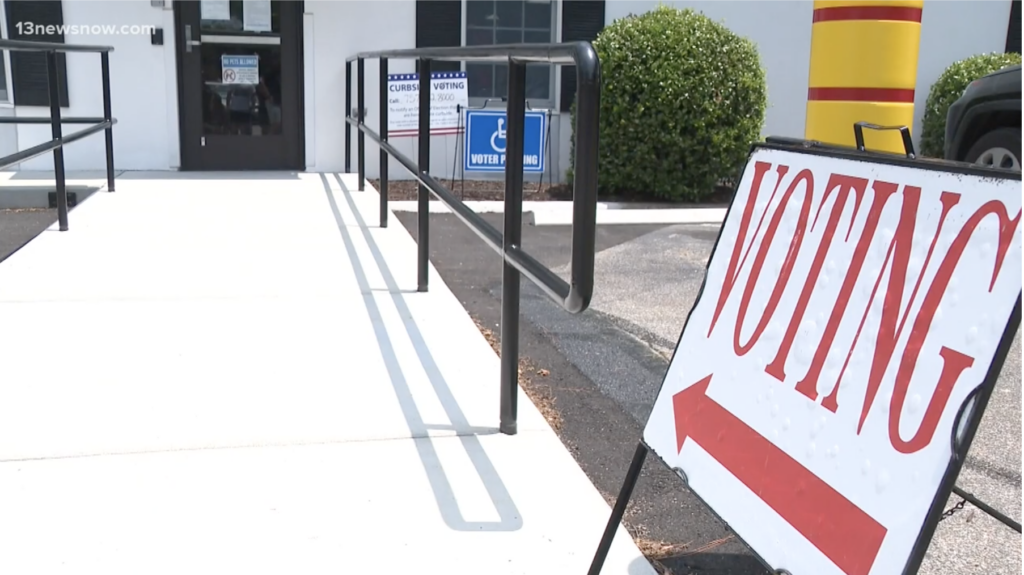
What's happening
Virginia voters will decide on April 21 whether to amend the state constitution to allow the General Assembly to redraw congressional districts before the 2030 census. This referendum proposes a temporary change to the redistricting process, which critics argue could shift political power in favor of Democrats. Supporters say the amendment is necessary to restore fairness in elections after the current maps were drawn by a bipartisan commission following the 2020 census. The question on the ballot asks voters if they approve of this temporary adjustment, with the understanding that the usual redistricting procedures will resume after the next census cycle.
The controversy centers on the perception of fairness and political advantage in how electoral districts are drawn. Opponents, mainly Republican leaders, contend that the amendment is a partisan effort to dismantle existing maps and redraw boundaries that would benefit Democrats by potentially adding four House seats. Jacob Alderman, chairman of the Prince William County/Manassas Park Republican Committee, described the Democrats' plan as a radical form of gerrymandering, suggesting it would be embarrassing even compared to states known for extreme redistricting practices. This accusation has intensified the debate over the referendum's true intent and impact.
Democratic officials argue that the proposed changes are aimed at ensuring fair representation for all Virginians. Representative Donald Beyer, a Democrat from Alexandria, acknowledged the challenge of persuading voters that the amendment is equitable. He emphasized the need to communicate that while the proposal may seem unfair locally, it aligns with broader goals of fairness across the country. This highlights the uphill battle Democrats face in convincing the public that the referendum is about restoring balance rather than gaining partisan advantage.
The referendum follows the adoption of congressional maps by a bipartisan redistricting commission after the 2020 census. While this commission was designed to reduce partisan influence, the current proposal would return redistricting authority to the General Assembly temporarily. This shift has raised concerns about the potential for increased political maneuvering. Republicans fear that this change could undo the bipartisan effort and lead to maps that favor Democrats, altering the state's political landscape ahead of the 2026 midterm elections.
What's at stake
Voter engagement and turnout are critical factors as early voting has begun. Reports indicate that Republican turnout has exceeded expectations, causing concern among Democrats who had anticipated a smoother path to approval. Chris Marston, general counsel for the Virginia GOP, noted a significant increase in Republican participation compared to previous elections, suggesting a more competitive environment. Meanwhile, some Republicans criticize the language of the ballot question as misleading, arguing that it obscures the amendment's true implications and could confuse voters, especially since local registrars are not permitted to display district maps on the ballot.
The stakes of the referendum are high for both parties. Democrats see a favorable outcome as essential to solidifying their political advantage in Virginia and potentially gaining additional congressional seats. Governor Abigail Spanberger and other Democratic leaders are under pressure to secure voter approval, as losing the referendum could jeopardize their chances of flipping the U.S. House of Representatives in the upcoming midterms. Despite a fundraising edge, Democrats face challenges in rallying public support amid accusations of gerrymandering and skepticism about the amendment's fairness.
Republican leaders view the referendum as a critical battle to prevent what they describe as a partisan power grab. They warn that the proposed redistricting changes would undermine the bipartisan maps currently in place and give Democrats an unfair advantage. This has led to intensified campaigning and efforts to mobilize voters against the amendment. The debate over the referendum reflects broader national tensions around redistricting, electoral fairness, and the balance of political power.
Public opinion polls reveal strong voter interest in fair representation. A recent survey by Heritage Action found that approximately 87 percent of Virginia voters believe electoral maps should reflect the interests of voters rather than politicians. Additionally, 61 percent oppose maps that favor one political party, underscoring widespread demand for impartiality in the redistricting process. These attitudes frame the referendum as not only a political contest but also a test of public trust in how elections are conducted.
Looking ahead, the outcome of Virginia's April referendum will have significant implications for the state's political future and could influence redistricting debates nationwide. If approved, the General Assembly will gain temporary authority to redraw congressional districts, potentially reshaping Virginia's representation in Congress before the 2030 census. If rejected, the current bipartisan maps will remain in place until the next scheduled redistricting. Observers will closely watch voter turnout, campaign messaging, and the referendum results as indicators of political momentum heading into the 2026 midterm elections.
Why it matters
The referendum could shift political power by allowing the General Assembly to redraw districts before the 2030 census. Critics argue the amendment favors Democrats and undermines bipartisan redistricting efforts. Supporters claim the change is necessary to restore fairness and ensure accurate representation.
High voter interest in fair maps highlights public concern over partisan gerrymandering. The outcome may influence Virginia’s congressional makeup and signal broader trends ahead of midterms. Republican leaders warn the amendment represents a radical gerrymander that could distort elections.
Democrats face pressure to secure approval to maintain and expand their political advantage.
Key facts & context
Virginia’s referendum is scheduled for April 21, 2026, and proposes a constitutional amendment. The amendment would temporarily allow the General Assembly to redraw congressional districts before the 2030 census. Current maps were drawn by a bipartisan commission following the 2020 census.
Republican leaders claim the amendment could add up to four congressional seats for Democrats. Jacob Alderman, a Republican committee chairman, called the plan a radical gerrymander. Democratic Representative Donald Beyer acknowledges the challenge of convincing voters of the amendment’s fairness.
Early voting has shown increased Republican turnout compared to previous elections. Local registrars are prohibited from displaying district maps on the ballot, potentially limiting voter understanding. A Heritage Action poll found 87% of Virginia voters want maps to represent voters’ interests, not politicians’.
61% of surveyed voters oppose maps favoring one political party over another. Democrats are concerned that losing the referendum could hurt their chances in the 2026 midterm elections. Republicans criticize the ballot language as misleading and potentially confusing to voters.
Timeline & key developments
2026-03-27: Virginia's April Referendum on Redistricting Sparks Controversy. Additional reporting on this topic is available in our broader archive and will continue to shape this timeline as new developments emerge.
Primary sources
Further reading & references
- (Additional background links will appear here as we cover this topic.)
Related posts
- Virginia AG Candidate Jay Jones Faces Scrutiny Over Violent Texts
- Virginia Democrats Propose Controversial Gerrymandering Ballot Language
- Virginia AG Candidate Jay Jones Faces Backlash Over Violent Comments
- Miyares: Virginia Democrats' Redistricting Efforts Unconstitutional
- Virginia GOP Prepares for Tight Elections Amid Mixed Sentiment
- Leftist Politicians Are More Dangerous Than Radicals On Podcasts