TLT Explains
Supreme Court Examines Citizenship Rights of U.S.-Born Children of Unauthorized Immigrants
What's happening
The U.S. Supreme Court recently heard oral arguments in the case of Trump v. Barbara, a pivotal legal challenge concerning the interpretation of citizenship under the 14th Amendment. The Trump administration argues that children born in the United States to parents who are unauthorized immigrants should not automatically receive U.S. citizenship. This position has ignited intense debate among legal scholars, civil rights organizations, and policymakers about the scope and meaning of birthright citizenship in America.
At the core of the dispute is the constitutional phrase "subject to the jurisdiction thereof," found in the 14th Amendment, which grants citizenship to all persons born or naturalized in the United States. The administration contends that this phrase excludes children born to unauthorized immigrants, asserting that such individuals are not fully subject to U.S. jurisdiction. Opponents, including the American Civil Liberties Union, maintain that the phrase was intended to encompass all persons born on U.S. soil, regardless of their parents' immigration status, thereby guaranteeing birthright citizenship.
During the oral arguments, Justice Samuel Alito raised a critical question that illustrated the complexities involved in interpreting the 14th Amendment. He asked whether a boy born in the U.S. to an Iranian father who entered the country illegally would be considered subject to the jurisdiction of Iran, potentially complicating his citizenship status. This inquiry highlighted the practical challenges of applying constitutional language to real-world situations and underscored the Court’s effort to balance legal principles with contemporary immigration realities.
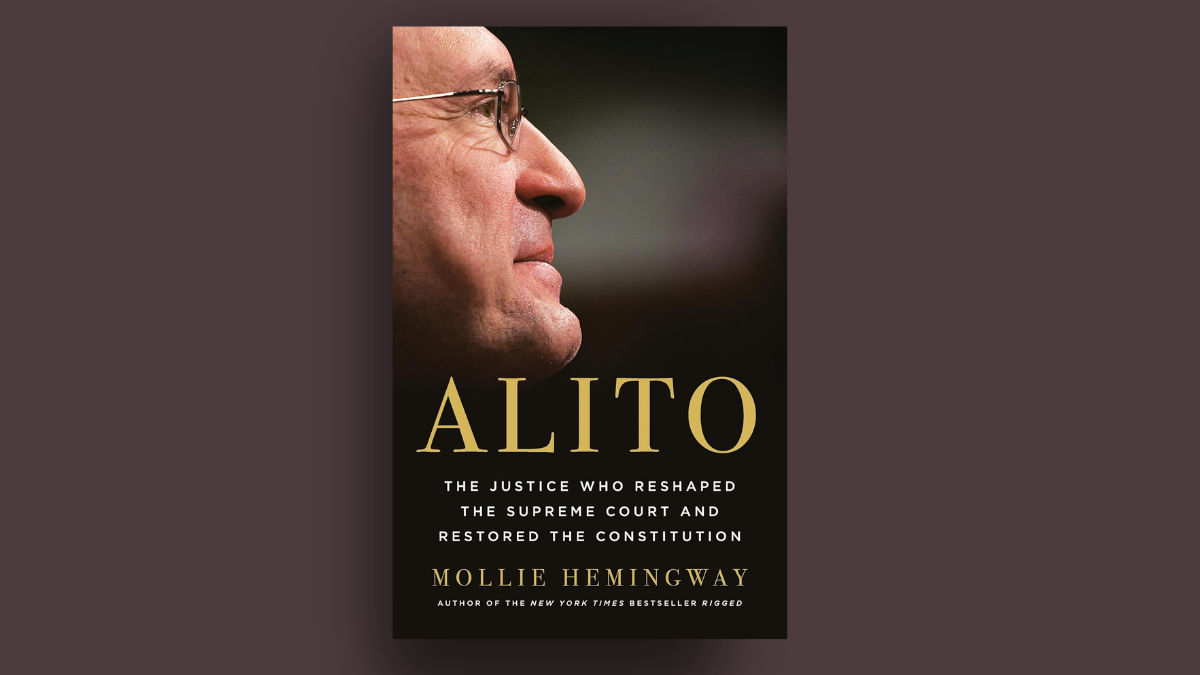
Justice Alito’s judicial philosophy, described in a recent biography titled "Alito: The Justice Who Reshaped the Supreme Court and Restored the Constitution," portrays him as a "practical originalist." This approach involves interpreting the Constitution’s text in light of its original meaning while considering the social and moral context of today’s society. The biography suggests that Alito’s perspective may influence how the Court navigates the tension between strict legal interpretation and the broader implications for American identity and citizenship.
What's at stake
The Trump v. Barbara case extends beyond legal technicalities, touching on fundamental questions about national identity and belonging. Some conservative voices, including Vice President J.D. Vance, have emphasized the importance of a shared cultural and historical narrative in defining citizenship. Vance’s remarks about citizenship reflecting a connection to "our homeland" resonate with those who argue that citizenship should embody more than just a legal status, but also a commitment to American values and traditions.
Supporters of the administration’s position argue that revisiting the definition of citizenship could help safeguard American values and prevent the dilution of citizen rights amid unauthorized immigration. They contend that such a redefinition would reinforce the integrity of the nation’s legal and cultural framework. Conversely, critics warn that altering the current understanding of birthright citizenship risks undermining the 14th Amendment’s foundational principles of equality and inclusivity, potentially marginalizing millions of individuals born in the U.S.
The stakes of this case are significant, as the Supreme Court’s ruling could reshape the legal landscape regarding citizenship rights for generations. Millions of U.S.-born children of unauthorized immigrants could see their citizenship status challenged, affecting access to education, healthcare, and other fundamental rights. The case also reflects broader societal debates about immigration, identity, and the meaning of being American in a diverse and evolving nation.
As the Court deliberates, the outcome of Trump v. Barbara may establish a new precedent that redefines the parameters of birthright citizenship. Legal experts anticipate a decision that will not only interpret constitutional text but also address the broader social and political ramifications. The ruling is expected within the coming months and will be closely watched by advocates, policymakers, and communities across the country.
Looking ahead, the Supreme Court’s decision will likely influence future immigration policies and citizenship debates. Observers should watch for how the Court balances constitutional interpretation with the practical realities faced by immigrant families. The ruling could prompt legislative responses or further legal challenges, making this case a critical juncture in the ongoing conversation about citizenship and national identity in the United States.
Why it matters
The case challenges the constitutional definition of citizenship under the 14th Amendment. It raises fundamental questions about what it means to be an American in a diverse society. Justice Alito’s inquiry highlights the complexities of applying jurisdiction concepts to immigration status.
The decision could reshape legal interpretations of birthright citizenship nationwide. The case reflects a broader conservative perspective linking citizenship to cultural and historical identity.
Key facts & context
The Supreme Court recently heard oral arguments in Trump v. Barbara regarding citizenship rights. The case centers on the interpretation of the phrase "subject to the jurisdiction" in the 14th Amendment. The Trump administration argues children born to unauthorized immigrants should not automatically be citizens.
Opponents, including the ACLU, contend that all persons born on U.S. soil are entitled to citizenship. Justice Samuel Alito questioned the application of jurisdiction in cases involving unauthorized immigrant parents. Alito is described as a "practical originalist" in a recent biography by Mollie Hemingway.
Vice President J.D. Vance has emphasized citizenship as a connection to shared national identity. The case could affect millions of U.S.-born children of unauthorized immigrants and their rights. The ruling is expected to set a significant precedent for future citizenship and immigration law.
The Supreme Court’s decision may prompt legislative or further judicial responses.
Timeline & key developments
2026-04-21: Supreme Court Hears Arguments on Citizenship Rights in Trump v. Barbara. Additional reporting on this topic is available in our broader archive and will continue to shape this timeline as new developments emerge.
Primary sources
Further reading & references
- (Additional background links will appear here as we cover this topic.)
Related posts
- Justice Ketanji Brown Jackson Faces Scrutiny Over Birthright Citizenship Argument in Supreme Court Case
- Supreme Court Considers Challenge to Birthright Citizenship Under 14th Amendment
- Supreme Court Rules on Racial Gerrymandering in Louisiana Case, Impacting Voting Rights Law
- Supreme Court Considers Birthright Citizenship in Trump v. Barbara Case
- Justice Alito Frames Clerkships as Part of Ideological Battle