TLT Explains
Senate Republicans Debate SAVE America Act Amid Divisions Over Voter ID and Priorities
What's happening
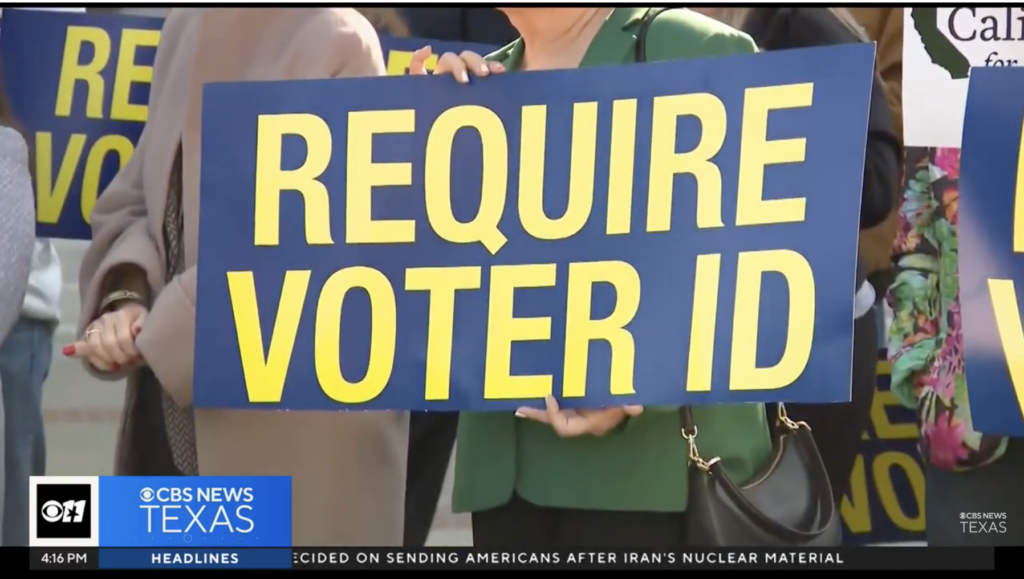
Senate Republicans are currently engaged in a heated debate over the SAVE America Act, a bill that would require proof of U.S. citizenship and photo identification for voting in federal elections. This legislation has attracted considerable public attention, with polls showing that more than 80% of Americans support voter ID requirements. Despite this broad public backing, the bill faces internal opposition from some Republican senators who prioritize other legislative initiatives over this election-related measure. The debate highlights a growing tension within the party between those emphasizing election integrity and others focused on different policy goals.
The SAVE America Act is positioned by its supporters as a necessary step to safeguard the integrity of federal elections. Proponents argue that requiring voters to present photo identification and proof of citizenship is a common-sense approach to prevent voter fraud and ensure that only eligible citizens participate in elections. Critics, however, contend that such requirements could disproportionately affect marginalized communities, including minorities, the elderly, and low-income voters, potentially making it harder for them to exercise their right to vote. This divide reflects broader national conversations about balancing election security with accessibility.
Among the Republican senators opposing the SAVE America Act is Lisa Murkowski of Alaska, who has publicly voiced her reservations about the bill. Murkowski supports voter ID in principle but has criticized the legislation for diverting attention from other priorities she considers more pressing. She has instead championed initiatives like Senate Resolution 650, which honors the contributions of American Indian, Alaska Native, and Native Hawaiian women. This resolution was passed by unanimous consent, illustrating a contrasting focus within the Senate on cultural recognition and other policy areas.
The debate also features other Republican lawmakers who are pushing forward different legislative proposals during the ongoing discussion. Senator Cynthia Lummis of Wyoming, a supporter of the SAVE America Act, introduced the Local Data for Better Conservation Act, aiming to amend the Endangered Species Act to incorporate data from state wildlife agencies. While this environmental bill addresses important issues, some critics argue that such efforts risk overshadowing the urgent need to address election integrity through the SAVE America Act. The competing priorities within the Senate underscore the challenges Republicans face in uniting around a single legislative agenda.
What's at stake
The stakes of this debate extend beyond the Senate chamber. President Donald Trump has emphasized the importance of the SAVE America Act, describing it as one of the most consequential pieces of legislation in recent history. He has urged Senate Republicans to prioritize the bill and warned of political consequences for those who oppose it. Senate Majority Leader John Thune of South Dakota has facilitated extended floor debate on the legislation, but the path to passage remains uncertain amid internal party divisions and Democratic opposition. Democrats largely oppose the bill, arguing that it could restrict voter access and disproportionately impact vulnerable populations.
Senator Roger Marshall of Kansas has been a vocal advocate for the SAVE America Act, stressing that voter ID laws enjoy bipartisan support. He cited polls indicating that approximately 70% of Democrats also favor voter ID requirements, framing the legislation as a commonsense measure similar to everyday identification needs like boarding a plane or purchasing alcohol. Despite this, the bill has become a flashpoint in the broader partisan debate over voting rights and election security. Advocacy groups focused on election integrity have mobilized to pressure senators to support the bill, warning that opposition could carry political risks given the strong public backing for voter ID laws.
The ongoing debate reveals the complex dynamics within the Republican caucus, where some senators are eager to push forward election-related reforms, while others seek to focus on different legislative priorities. This internal division complicates efforts to present a unified front and raises questions about the future of election integrity legislation in Congress. The opposition from some Republicans and the unified Democratic resistance mean that the SAVE America Act faces significant hurdles before it can become law.
Looking ahead, the Senate will continue to grapple with these competing priorities as the debate unfolds. Key decision points include whether the bill can secure enough support within the Republican caucus to overcome Democratic opposition and whether compromise measures might emerge to address concerns about voter access. Observers will be watching closely to see if the SAVE America Act advances or stalls, as its fate could have lasting implications for voting laws and election administration in the United States. The outcome will also influence how lawmakers balance election security with efforts to ensure broad voter participation in future elections.
Why it matters
The SAVE America Act aims to require proof of citizenship and photo ID for federal voting, a measure with strong public support. Over 80% of Americans favor voter ID laws, making the legislation popular among the general public. Senate Democrats largely oppose the bill, arguing it could restrict voting access for marginalized groups.
Some Republican senators oppose the bill, prioritizing other legislative issues over election integrity reforms. Voting against voter ID laws could have political consequences for lawmakers due to widespread public backing.
Key facts & context
The SAVE America Act is currently under debate in the Senate and would require proof of U.S. citizenship and photo identification for federal elections. Polls indicate that more than 80% of Americans support voter ID requirements. Senator Lisa Murkowski of Alaska opposes the SAVE America Act, citing other legislative priorities.
Senate Resolution 650, recognizing contributions of Native American women, was passed by unanimous consent during the same period. Senator Cynthia Lummis introduced the Local Data for Better Conservation Act amid the ongoing election integrity debate. President Donald Trump has called the SAVE America Act one of the most important pieces of legislation and urged its passage.
Senate Majority Leader John Thune has facilitated extended debate on the bill. Senator Roger Marshall cited polls showing about 70% of Democrats also support voter ID laws. Democrats argue the bill could hinder voter access, particularly for marginalized communities.
Advocacy groups like the Election Integrity Network are encouraging constituents to support the SAVE America Act. The bill faces opposition from some Republicans and unified Democratic resistance, complicating its path forward.
Timeline & key developments
2026-03-20: Senate Debates Election Integrity Amid Competing Priorities. Additional reporting on this topic is available in our broader archive and will continue to shape this timeline as new developments emerge.
Primary sources
Further reading & references
- (Additional background links will appear here as we cover this topic.)
Related posts
- Senate Republicans Consider Talking Filibuster to Advance Controversial Voting Bill
- Senator Murkowski Opposes SAVE America Act, Highlighting GOP Divisions Over Election Laws
- Senate Weighs Revival of Talking Filibuster Amid Push for SAVE America Act Voting Rules
- Rep. Chip Roy Proposes Senate Strategy to Advance SAVE Act Without Filibuster Change
- Debate Intensifies Over Voter ID Laws and Immigration Enforcement Amid Political Controversies
- Senate Majority Leader Thune Faces Criticism Over SAVE America Act Progress