TLT Explains
Senate Debates SAVE America Act Amid Partisan Divide Over Election Integrity Measures
What's happening
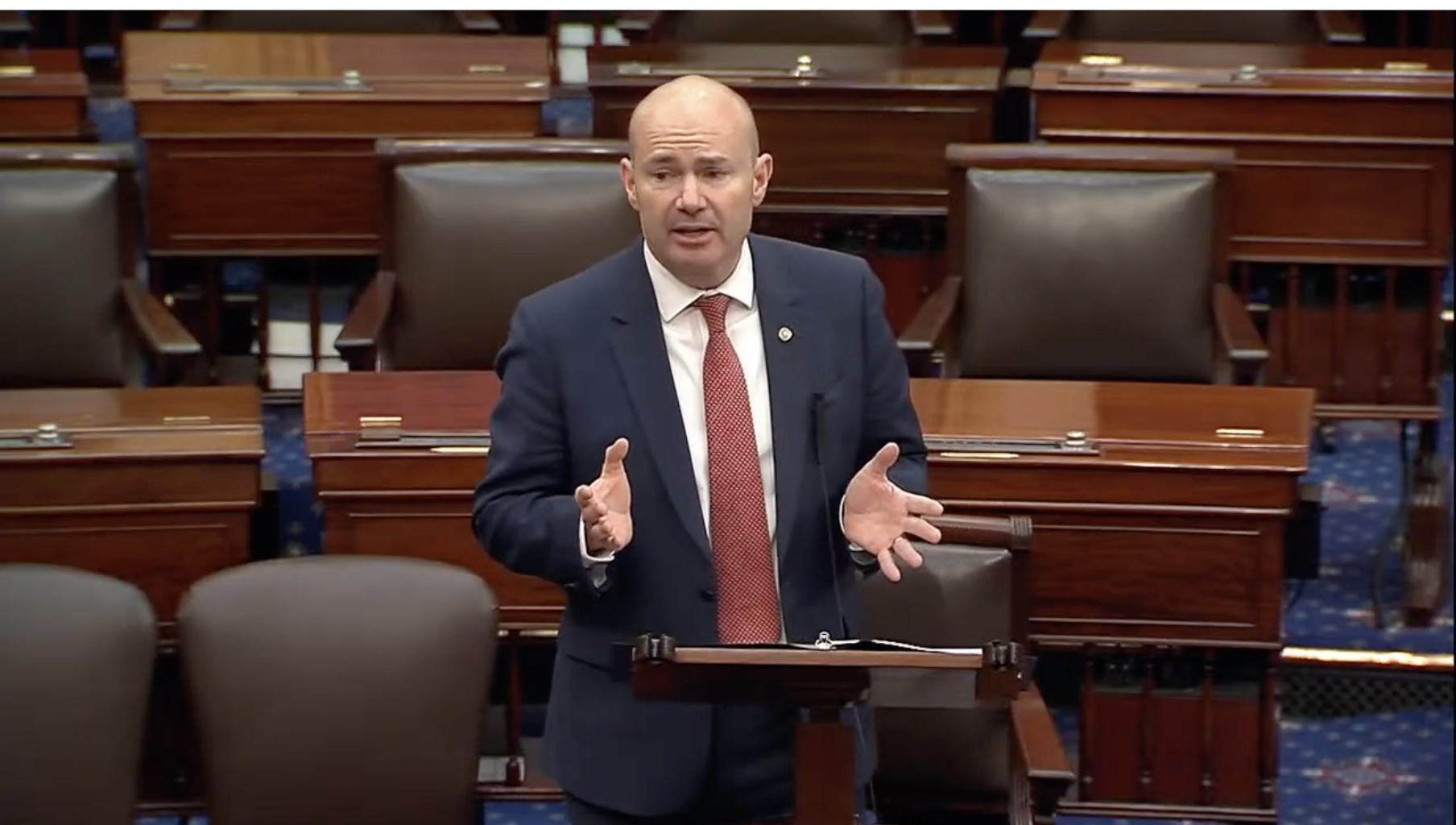
The Senate has initiated debate on the SAVE America Act, a bill designed to enhance election integrity through provisions such as requiring voter identification and proof of citizenship. This legislation has become a focal point of partisan contention, with Republicans largely supporting it as a necessary step to secure elections, while Democrats oppose it, citing concerns about voter disenfranchisement. The bill’s progress is complicated by Senate rules that require a 60-vote supermajority to advance most legislation, a threshold that is difficult to meet given the current political landscape.
The origins of the SAVE America Act lie in ongoing national debates about the security and accessibility of elections. Republican lawmakers argue that stricter voting requirements are essential to prevent fraud and maintain public trust in electoral outcomes. Conversely, Democrats and voting rights advocates contend that such measures disproportionately affect minority voters and could suppress turnout. This divide reflects broader tensions in American politics over how to balance election security with voter access.
Key figures in the debate include Senate Majority Leader John Thune, a Republican from South Dakota, who has taken a more assertive approach than his predecessor, Mitch McConnell, by advancing the bill without first securing the traditional 60 votes. Thune’s strategy involves extending debate time and limiting amendments, aiming to control the legislative process and highlight Democratic opposition as obstructionist ahead of the upcoming midterm elections. This marks a shift in Senate leadership tactics and underscores the high stakes involved.
On the other side, Democratic senators have voiced strong opposition to the SAVE America Act. Senator Adam Schiff of California has been particularly vocal, warning that the bill could disenfranchise more than 20 million voters, especially among minority communities. Democrats argue that the bill’s provisions, such as proof of citizenship requirements, could create unnecessary barriers to voting. This opposition is part of a broader effort to protect voting rights and ensure that elections are accessible to all eligible citizens.
What's at stake
Supporters of the bill, including conservative policy experts like Rachel Bovard of the Conservative Partnership Institute, emphasize the need for the Senate to function as a deliberative body capable of passing significant legislation. Bovard has criticized the current use of the filibuster, which allows a minority of senators to block bills with minimal effort, contributing to legislative gridlock. She applauds Thune’s willingness to engage in a more confrontational approach to advance the SAVE America Act despite the challenges posed by Senate rules.
The debate also involves legal and procedural complexities. Election law experts such as Hans von Spakovsky argue that the bill is necessary to prevent unauthorized voting, but acknowledge the difficulty of passing it under current filibuster rules. Some suggest that attaching the bill to must-pass legislation could be a potential strategy, although Senate rules like the Byrd Rule limit this option. These procedural hurdles highlight the challenges of enacting significant election reforms in a deeply divided Senate.
The stakes of this debate extend beyond the immediate legislative battle. The outcome of the SAVE America Act could shape the future of election administration in the United States, influencing how voter eligibility is verified and how accessible voting is for millions of Americans. The bill’s progress will also serve as a barometer of Senate dynamics and the ability of either party to advance its agenda in a closely divided chamber. With midterm elections approaching, the political implications are significant for both parties.
Looking ahead, the Senate debate on the SAVE America Act is expected to continue for up to ten days, providing Republicans with a platform to articulate their positions on election integrity. The bill’s passage remains uncertain, as it requires negotiation and possibly compromise among Senate Republicans to secure enough support. Democrats will continue to oppose the bill, framing it as a threat to voting rights. Observers will be watching closely to see whether the Senate can overcome procedural obstacles or if the bill will stall, setting the stage for ongoing battles over election laws in the coming months.
Why it matters
The SAVE America Act aims to strengthen election integrity through voter ID and citizenship proof requirements. The bill faces a high procedural hurdle with the Senate’s 60-vote threshold needed to advance legislation. Supporters believe the bill is vital for maintaining public confidence in election outcomes.
Opponents argue the bill risks disenfranchising millions, particularly minority voters. Senate Majority Leader John Thune is employing a new strategy to push the bill forward despite opposition. The debate highlights broader national conflicts over balancing election security and voter access.
The bill’s fate will influence future election administration and political dynamics ahead of midterms.
Key facts & context
The SAVE America Act includes provisions requiring voter ID and proof of citizenship to vote. Senate rules require a 60-vote supermajority to overcome filibusters and advance most legislation. John Thune, Senate Majority Leader, is advancing the bill without securing 60 votes first.
Former Majority Leader Mitch McConnell typically required 60 votes before moving legislation. Democratic senators, including Adam Schiff, oppose the bill citing potential voter disenfranchisement. Rachel Bovard of the Conservative Partnership Institute supports the bill and criticizes filibuster use.
Election law expert Hans von Spakovsky supports the bill but notes filibuster challenges. The Senate debate on the bill could last up to ten days, focusing attention on election integrity. The Byrd Rule limits the ability to attach the bill to must-pass legislation to bypass filibuster.
The bill’s progress is a key issue ahead of the upcoming midterm elections. The debate reflects ongoing partisan divisions over election laws and voter access. The outcome could set precedents for future election-related legislation in the Senate.
Timeline & key developments
2026-03-18: Senate Begins Debate on SAVE America Act Amid Partisan Tensions. Additional reporting on this topic is available in our broader archive and will continue to shape this timeline as new developments emerge.
Primary sources
Further reading & references
- (Additional background links will appear here as we cover this topic.)
Related posts
- Senate Weighs Revival of Talking Filibuster Amid Push for SAVE America Act Voting Rules
- Senate Republicans Consider Talking Filibuster to Advance Controversial Voting Bill
- Senator Murkowski Opposes SAVE America Act, Highlighting GOP Divisions Over Election Laws
- Rep. Chip Roy Proposes Senate Strategy to Advance SAVE Act Without Filibuster Change
- Senate Leader McConnell Faces GOP Pressure to Advance Controversial SAVE Act on Voting Rules
- Senate Majority Leader Thune Faces Criticism Over SAVE America Act Progress