TLT Explains
Senate Debates SAVE America Act to Strengthen Election Security Amid GOP Divisions
What's happening
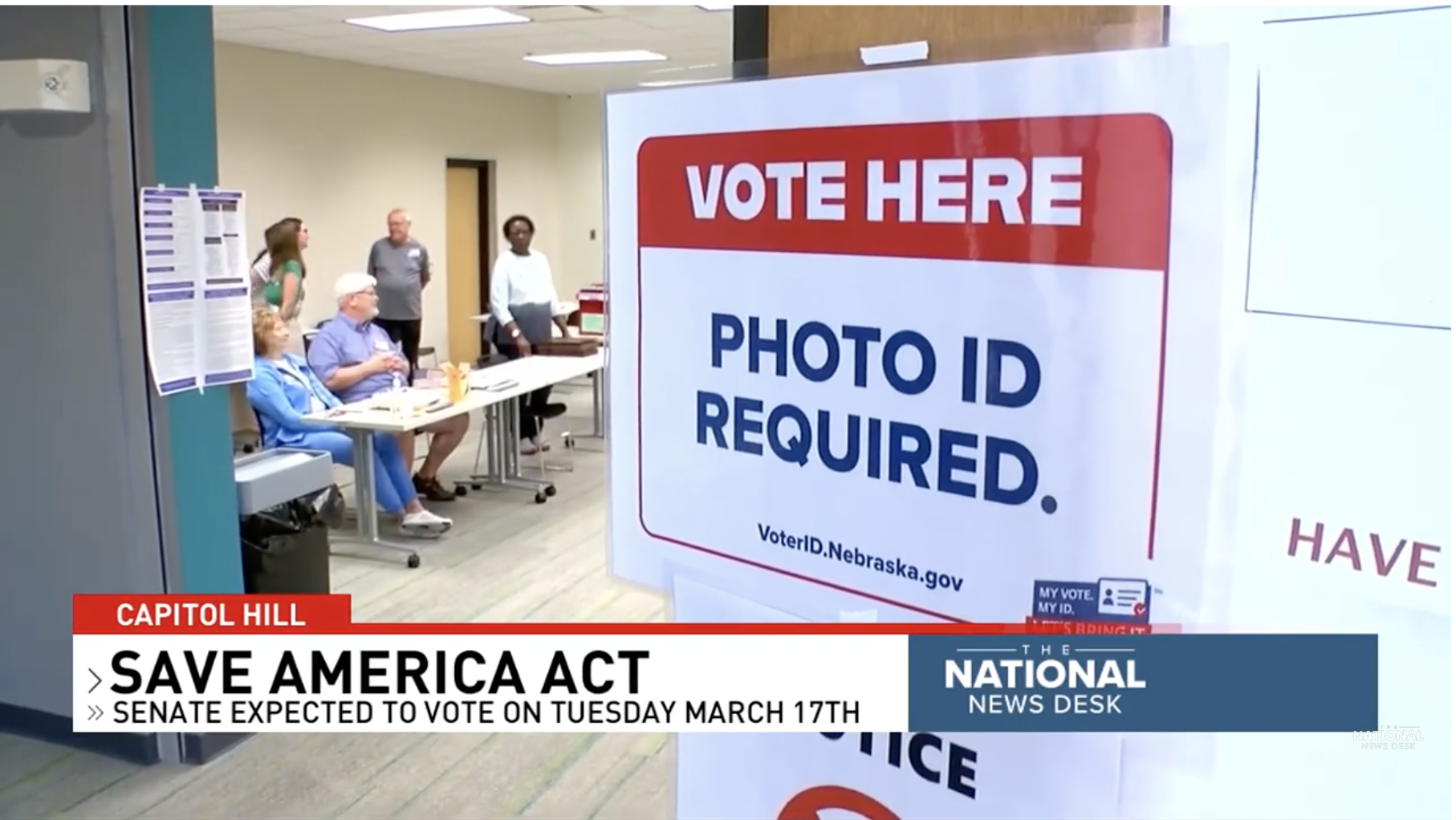
The Senate began formal debate on the SAVE America Act on Tuesday, a legislative proposal aimed at tightening election security by mandating proof of citizenship for voter registration and requiring photo identification at the polls. The bill is intended to prevent non-citizens from voting and to enhance public confidence in the electoral process. Despite these goals, the bill faces significant challenges in gaining enough support to pass, with skepticism arising not only from Democrats but also from within the Republican Party itself. The debate marks a critical moment in ongoing discussions about election integrity and voter access in the United States.
The SAVE America Act has been championed by Senate Majority Leader John Thune, a Republican from South Dakota, who has promised a robust and extended debate on the legislation. Thune argues that the bill addresses widespread public concerns about election security and that Democrats will be compelled to defend their opposition to what he describes as common-sense election reforms. According to a recent Harvard CAPS/Harris Poll, 71% of Americans support the bill, and 80% favor removing non-citizens from voter rolls, figures that proponents use to bolster the bill's legitimacy and urgency. Nevertheless, the bill’s future is uncertain due to the complex political dynamics at play.
The political landscape surrounding the SAVE America Act is marked by deep divisions within the Republican Party. While some GOP senators have expressed strong support for the bill, others remain hesitant or openly critical. Former White House Chief of Staff Mark Meadows has publicly questioned the sincerity of many Republican senators, accusing them of lacking the political will to push the legislation forward. Meadows highlighted a list of about 25 Republican senators, including influential figures such as Mitch McConnell and Lisa Murkowski, who are not backing the bill. This internal discord complicates efforts to secure the 60 votes needed to overcome a filibuster and advance the legislation.
The debate strategy itself is a point of contention. Thune has indicated that the Senate will spend seven to ten days discussing the bill, with Republicans controlling the amendment process. This control allows them to propose additional provisions, including some requested by former President Donald Trump, such as banning mail-in ballots and restricting participation in women’s sports based on gender identity. However, critics argue that the approach lacks the necessary resolve to ensure the bill’s passage. Meadows and others have criticized the reluctance to engage in a talking filibuster, a procedural tactic that would force Democrats to actively debate the bill and potentially expose their opposition to public scrutiny.
What's at stake
Supporters of the SAVE America Act emphasize the importance of election integrity and argue that the bill addresses legitimate concerns about voter fraud and unauthorized voting. Senator Jerry Moran of Kansas, a co-sponsor of the bill, stated that it is essential to ensure that only U.S. citizens participate in federal elections. Senator Tim Scott of South Carolina also voiced support for the legislation, noting the broad consensus across demographic groups in favor of the bill. However, even some supporters have stopped short of endorsing the talking filibuster strategy, reflecting ongoing uncertainty about the best path forward to secure bipartisan backing.
Opponents of the bill, primarily Democrats, argue that the proposed requirements could suppress voter turnout, particularly among minority and marginalized communities. They contend that measures like strict photo ID requirements and proof of citizenship can create barriers to voting without addressing the actual incidence of voter fraud, which studies have found to be extremely rare. The debate thus reflects broader national tensions over voting rights, access, and the balance between security and inclusivity in elections. The partisan divide complicates efforts to find common ground, especially given the high threshold needed to end debate and move to a final vote.
The stakes of the SAVE America Act extend beyond the immediate legislative outcome. If passed, the bill would set new federal standards for voter eligibility and identification, potentially influencing state-level election laws and practices. It could also shape the political landscape by affecting voter participation patterns in future elections. Conversely, failure to pass the bill may deepen frustrations among those who believe election security is insufficiently addressed, potentially fueling further partisan conflict. The internal GOP disagreements and the need for at least some Democratic support make the bill’s path forward highly uncertain.
As the Senate continues its debate, close attention will be paid to how the amendment process unfolds and whether any bipartisan compromises emerge. The requirement of a 60-vote threshold to overcome a filibuster remains a significant obstacle, given the current political divisions. Observers will also watch for shifts in Republican unity and whether the talking filibuster strategy gains traction as a means to force a more substantive debate. The coming days will be critical in determining whether the SAVE America Act can advance or whether it will stall amid the complex interplay of political strategy and ideological differences.
Looking ahead, the key developments to watch include the outcome of the amendment votes and the level of engagement from both parties during the debate. If the bill fails to secure enough support, Senate leaders may need to reconsider their approach or seek alternative election security measures. The debate also sets the stage for the broader national conversation on voting rights and election integrity leading into upcoming election cycles. Ultimately, the SAVE America Act’s fate will hinge on whether lawmakers can bridge partisan divides and muster the political will to enact significant changes to federal election laws.
Why it matters
The SAVE America Act aims to strengthen election security by requiring proof of citizenship and photo ID for voting. Public opinion polls show strong support for the bill and for removing non-citizens from voter rolls. Internal divisions within the Republican Party cast doubt on the bill’s ability to pass the Senate.
The bill’s passage depends on overcoming a 60-vote threshold, requiring bipartisan cooperation. The debate highlights ongoing national tensions over voting rights, access, and election integrity.
Key facts & context
The Senate began debating the SAVE America Act on Tuesday, focusing on election security measures. Senate Majority Leader John Thune has promised a robust debate lasting seven to ten days. A Harvard CAPS/Harris Poll indicates 71% of Americans support the legislation.
About 80% of Americans favor removing non-citizens from voter rolls according to the same poll. Former White House Chief of Staff Mark Meadows criticized many GOP senators for lacking support. Approximately 25 Republican senators, including Mitch McConnell and Lisa Murkowski, are not backing the bill.
The bill includes provisions requested by former President Donald Trump, such as banning mail-in ballots. The Senate requires 60 votes to invoke cloture and end debate on the bill, a significant hurdle. Senators Jerry Moran and Tim Scott have publicly expressed support for the SAVE America Act.
Critics argue that the bill could suppress voter turnout among minority and marginalized groups. The debate strategy involves Republicans controlling the amendment process to shape the bill’s content. The talking filibuster tactic, which would force active debate by Democrats, remains controversial among GOP senators.
Timeline & key developments
2026-03-17: Senate Begins Debate on SAVE America Act Amid Doubts of Success. Additional reporting on this topic is available in our broader archive and will continue to shape this timeline as new developments emerge.
Primary sources
Further reading & references
- (Additional background links will appear here as we cover this topic.)
Related posts
- Senate Weighs Revival of Talking Filibuster Amid Push for SAVE America Act Voting Rules
- Senate Republicans Consider Talking Filibuster to Advance Controversial Voting Bill
- Senator Murkowski Opposes SAVE America Act, Highlighting GOP Divisions Over Election Laws
- Senate to Debate SAVE America Act Amid Filibuster and Election Integrity Disputes
- Sen. Fetterman Opposes SAVE America Act Over Mail-In Voting Security Disputes
- Senate Majority Leader Thune Faces Criticism Over SAVE America Act Progress