TLT Explains
Republicans Face Criticism for Limited Voter Mobilization as Midterms Approach Amid Large Protests
What's happening
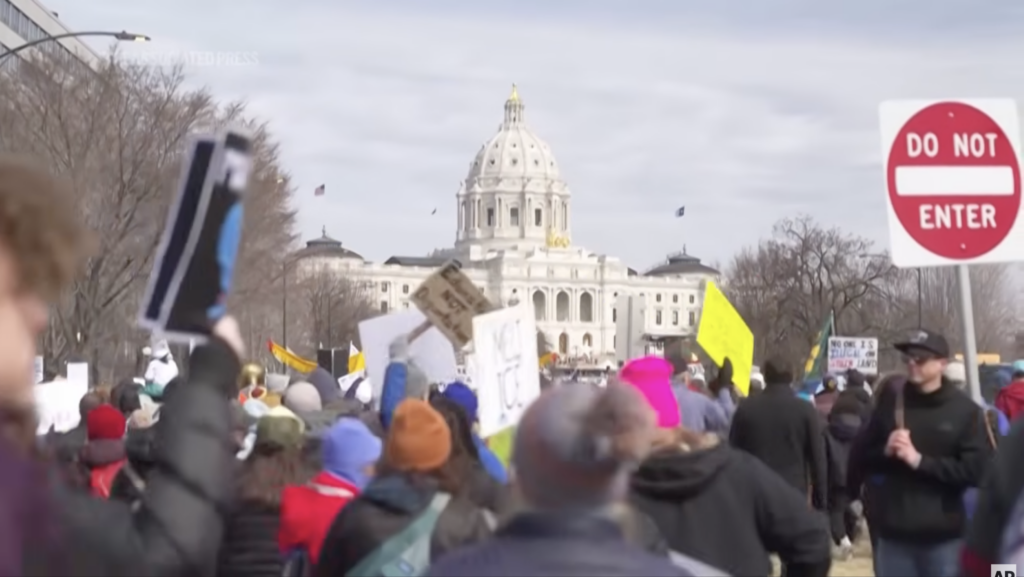
Over the past weekend, an estimated eight million people took part in nationwide "No Kings" protests, voicing strong opposition to President Donald Trump by labeling him a "dictator" or "tyrant." These demonstrations, which spanned more than 3,300 events, were predominantly attended by older, white voters expressing dissatisfaction with the current administration. The scale and intensity of these protests underscore a highly mobilized opposition that could influence voter turnout and sentiment in the upcoming midterm elections.
In stark contrast to this energized opposition, Republican leaders have been criticized for their apparent lack of mobilization efforts despite holding majorities in both chambers of Congress. Observers note that key GOP figures have not taken full advantage of their legislative power to rally their base or advance significant policy initiatives that could energize voters. This perceived inaction raises concerns about the party's readiness and strategy as the November midterms draw nearer.
Several prominent Republican senators were notably absent from the political spotlight during the protests. For example, Senator Lindsey Graham of South Carolina was reported to be at Disney World, while Senator John Barrasso of Wyoming was seen at Denver Airport. Senators Ted Cruz and John Thune also left Washington, D.C., at a critical time when the GOP might have been expected to demonstrate leadership and engagement. This absence has fueled criticism that Republican leaders are not responding with the urgency the moment demands.
One significant legislative effort that has stalled is the SAVE America Act, which seeks to impose stricter voting requirements such as proof of citizenship for registration and mandatory voter ID for federal elections. Despite bipartisan support for these measures, Senate Republican leadership, including Senator Thune, has faced backlash for not pushing the bill forward decisively. Some GOP senators have considered alternative strategies like reconciliation, but these face procedural challenges and may not yield timely results.
What's at stake
Beyond legislative gridlock, the Republican Party is also navigating changes in immigration enforcement policies. According to CBS News, the Trump administration has lifted a pause on asylum adjudications for most cases, except those involving countries on the president’s travel ban list. Officials describe this as a reallocation of resources to focus on higher-risk cases. However, critics warn this shift could be perceived as a weakening of enforcement efforts, complicating the GOP’s messaging as they attempt to maintain voter confidence on immigration issues.
The Republican-controlled Senate has also encountered difficulties confirming over 50 nominees appointed by President Trump, which has contributed to a narrative of inefficiency and internal challenges within the party. Compounding these political hurdles are broader economic concerns, such as rising gas prices influenced by ongoing geopolitical tensions. These issues add complexity to the GOP’s efforts to galvanize support among voters who may be sensitive to economic conditions.
Despite these obstacles, some analysts remain cautiously optimistic about the GOP’s prospects. Commentators like Eddie Scarry from The Federalist emphasize that with eight months remaining until the midterm elections, there is still time for Republican leaders to refocus and mobilize their base effectively. The key will be whether Trump’s team and congressional Republicans can muster the political will and strategic focus needed to capitalize on their current majority and counter the energized opposition.
Looking ahead, the coming months will be critical for the Republican Party as it seeks to define its message and strategy in the face of a highly motivated opposition. Voter enthusiasm on both sides, legislative priorities, and responses to ongoing economic and immigration challenges will shape the political landscape. Observers will be closely watching whether GOP leaders increase their engagement and take concrete steps to rally supporters or continue on their current trajectory, which may risk losing ground in the midterms.
As the midterm elections approach, the Republican Party’s ability to respond to these challenges and the opposition’s momentum will be decisive. Key decision points include advancing or revising legislative priorities like the SAVE America Act, addressing internal party dynamics, and effectively communicating policy positions to voters. The next several months will reveal whether the GOP can transform criticism into action and maintain its hold on Congress.
Why it matters
The energized protests highlight a mobilized opposition that could influence voter turnout in the midterms. Republican leaders’ inaction risks dampening enthusiasm among their base ahead of the elections. Legislative delays on key bills like the SAVE America Act may weaken GOP messaging on election integrity.
Changes in asylum policy enforcement could create perceptions of weakened Republican control on immigration issues. Economic challenges, including rising gas prices, add pressure on Republicans to rally voter support. The midterms remain months away, leaving time for GOP leaders to adjust strategy and mobilize.
The party’s response to these dynamics will be critical in determining their success in the upcoming elections.
Key facts & context
An estimated eight million people participated in nationwide "No Kings" protests over the weekend. The protests included over 3,300 events, largely attended by older, predominantly white individuals. Republicans currently hold majorities in both chambers of Congress.
Key Republican senators, including Lindsey Graham, John Barrasso, Ted Cruz, and John Thune, were absent during the protests. The SAVE America Act would require proof of citizenship to register to vote and mandate voter ID for federal elections. The Trump administration lifted the pause on asylum adjudications for most cases, except those on the travel ban list.
Over 50 Trump-appointed nominees have yet to be confirmed by the Republican-controlled Senate. Rising gas prices amid geopolitical tensions are affecting the political environment. Critics say GOP senators have not used a talking filibuster to advance the SAVE America Act.
The midterm elections are scheduled for November, approximately eight months from now. Republican leaders are considering reconciliation as an alternative legislative strategy. CBS News reported on the asylum adjudication policy changes.
Timeline & key developments
2026-03-30: Republicans Criticized for Lack of Mobilization Ahead of Midterms. Additional reporting on this topic is available in our broader archive and will continue to shape this timeline as new developments emerge.
Primary sources
Further reading & references
- (Additional background links will appear here as we cover this topic.)
Related posts
- Senate Weighs Revival of Talking Filibuster Amid Push for SAVE America Act Voting Rules
- Senate to Debate SAVE America Act Amid Filibuster and Election Integrity Disputes
- Senate Republicans Consider Talking Filibuster to Advance Controversial Voting Bill
- Sen. Fetterman Opposes SAVE America Act Over Mail-In Voting Security Disputes
- Trump Faces Challenges Ahead of Midterms Amid Mixed Results and Party Divisions
- Senate Majority Leader Thune Faces Criticism Over SAVE America Act Progress