TLT Explains
Primary Elections Kick Off in Arkansas, North Carolina, and Texas Amid GOP Conservative Challenges
What's happening
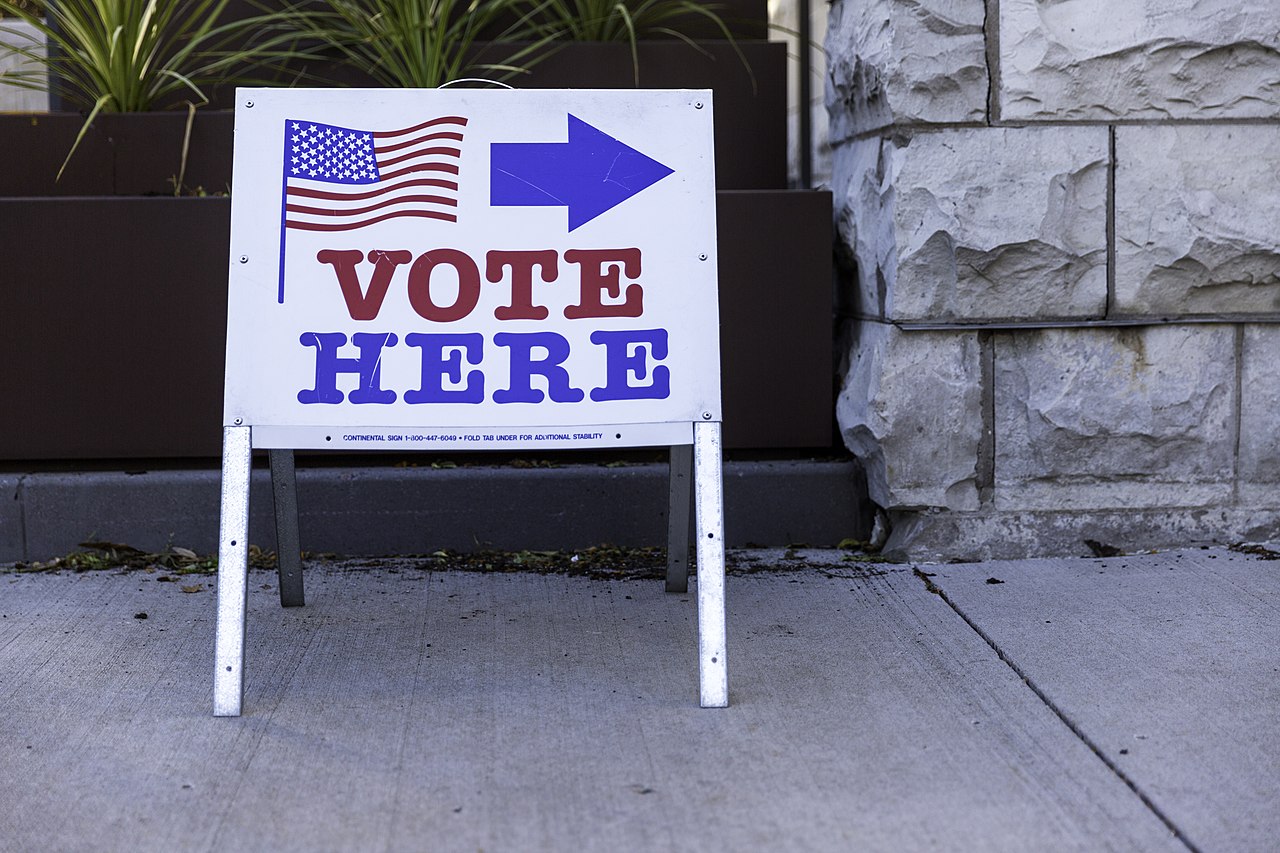
Primary elections for the 2026 midterm cycle began on Tuesday in Arkansas, North Carolina, and Texas, marking a significant moment for Republican voters aiming to influence the party's future direction. These contests have drawn considerable attention as conservative factions within the GOP attempt to unseat established Republican figures in favor of candidates who align more closely with their ideological priorities. The outcomes of these primaries could reshape the party’s makeup ahead of the November general elections, with implications for both state and national politics.
The Texas Republican Senate primary stands out as a particularly high-profile race. Incumbent Senator John Cornyn faces stiff competition from Texas Attorney General Ken Paxton and Representative Wesley Hunt. Polling data from RealClearPolitics shows Paxton leading with 39.2 percent of the vote, followed by Cornyn at 35.4 percent and Hunt at 15.8 percent. Since no candidate is expected to surpass the 50 percent threshold, a runoff between the top two contenders is likely, scheduled for May 26. This race is pivotal because if Paxton wins the Senate nomination, he will vacate his current position as attorney general, triggering another consequential contest.
In North Carolina, the GOP primary will determine the party’s nominee to replace outgoing Senator Thom Tillis. This race, like others, reflects a broader struggle within the Republican Party between establishment figures and conservative challengers who argue that the party has drifted away from core conservative principles. Voters in these states are thus not only choosing candidates but also signaling their preferences for the party’s ideological direction and policy priorities.
Conservative activists view these primaries as a critical opportunity to replace what they describe as RINOs, or Republicans In Name Only, with candidates who will more vigorously champion conservative values. Supporters argue that the primary process empowers voters to hold elected officials accountable and ensure that their representatives genuinely advocate for issues such as voter ID laws, election integrity, and limited government. This perspective underscores a growing dissatisfaction among conservative voters who feel sidelined by the GOP establishment.
What's at stake
One of the key policy debates fueling this intra-party tension centers on the SAVE America Act, legislation designed to implement voter ID and proof-of-citizenship requirements for federal elections. Many conservatives consider this legislation a straightforward priority that Senate Republicans should pass, viewing it as essential to safeguarding election integrity. However, reports indicate that some GOP senators, particularly those from reliably Republican states, have been obstructing the bill’s progress, exacerbating frustrations among conservative activists and voters.
The challenges faced by conservatives are not limited to federal legislation. In states like Indiana and West Virginia, some Republican officials have reportedly undermined conservative initiatives, including redistricting efforts and medical freedom legislation. These actions have led to accusations that certain GOP members are not adequately representing the interests and values of their conservative constituents. This dynamic has intensified calls for greater voter engagement in primary elections to ensure that elected officials remain aligned with their base.
Conservative commentators emphasize the importance of active participation in the primary process, warning that neglecting these elections can result in the selection of candidates who do not reflect the party’s core values. They argue that being an engaged citizen involves holding elected officials accountable and ensuring they fulfill their campaign promises. This call to action comes amid broader concerns about the Republican Party’s direction and the influence of establishment figures who may resist more conservative policy agendas.
While some GOP leaders have yet to publicly respond to these internal criticisms, the outcomes of the primaries will serve as a crucial indicator of the party’s trajectory. If conservative challengers succeed, it could signal a shift toward a more ideologically driven Republican Party that prioritizes election integrity and other conservative issues. Conversely, the re-election of establishment figures might suggest a continuation of the status quo, potentially leaving conservative activists dissatisfied.
Looking ahead, the primary season will continue to unfold over the coming months, with runoff elections and additional contests shaping the final candidate lists for the 2026 midterms. Voters and political observers will be closely watching these races to gauge the strength of conservative influence within the GOP and to assess how these dynamics might impact legislative priorities and party unity going forward.
Why it matters
Primary elections in key states offer conservatives a chance to reshape the Republican Party’s leadership and policy focus. Polling shows a competitive Texas Senate primary where conservative challenger Ken Paxton currently leads incumbent John Cornyn. The Texas attorney general race is consequential as Paxton’s potential Senate win would open that seat.
The SAVE America Act highlights conservative demands for voter ID and citizenship proof in federal elections, reflecting broader party tensions. Conservative voters feel their priorities are being sidelined by some GOP establishment figures. State-level disputes over redistricting and medical freedom legislation illustrate ongoing ideological conflicts within the party.
Voter engagement in primaries is seen as critical to ensuring elected officials represent conservative values.
Key facts & context
Primary elections for the 2026 midterms began on March 3, 2026, in Arkansas, North Carolina, and Texas. Ken Paxton leads the Texas Republican Senate primary with 39.2 percent support according to RealClearPolitics polling. John Cornyn, the incumbent Texas senator, holds 35.4 percent support in the same polling.
Wesley Hunt, a Texas representative, trails with 15.8 percent in the Senate primary race. A runoff election will be held on May 26 if no candidate surpasses 50 percent of the vote in Texas. Outgoing Senator Thom Tillis’s seat in North Carolina is up for grabs in the GOP primary.
The SAVE America Act seeks to require voter ID and proof of citizenship for federal elections but faces opposition from some GOP senators. Conservative activists are pushing for greater voter participation in primaries to influence candidate selection. Some Republican officials in Indiana and West Virginia have reportedly opposed conservative legislative initiatives.
The outcome of these primaries will influence the Republican Party’s ideological direction ahead of the 2026 general elections. Primary Elections Begin as Conservatives Seek to Oust is a key phrase describing the current political moment within the GOP.
Timeline & key developments
2026-03-03: Primary Elections Begin as Conservatives Seek to Oust Establishment Republicans. Additional reporting on this topic is available in our broader archive and will continue to shape this timeline as new developments emerge.
Primary sources
Further reading & references
- (Additional background links will appear here as we cover this topic.)
Related posts
- Senator Murkowski Opposes SAVE America Act, Highlighting GOP Divisions Over Election Laws
- West Virginia Republicans Launch Freedom Caucus to Push More Conservative Policies
- Oklahoma Governor Faces Backlash Over Immigration Enforcement Comments Amid National Debate
- Texas Father Sues California Doctor Over Abortion Pill Distribution Under New State Law
- 'Gold-Standard' Immigration Bill Slows In Indiana Amid Redistricting
- The Republican Party Deserves Their Bad Election Night