TLT Explains
Debate Intensifies Over Voter ID Laws and Immigration Enforcement Amid Political Controversies
What's happening
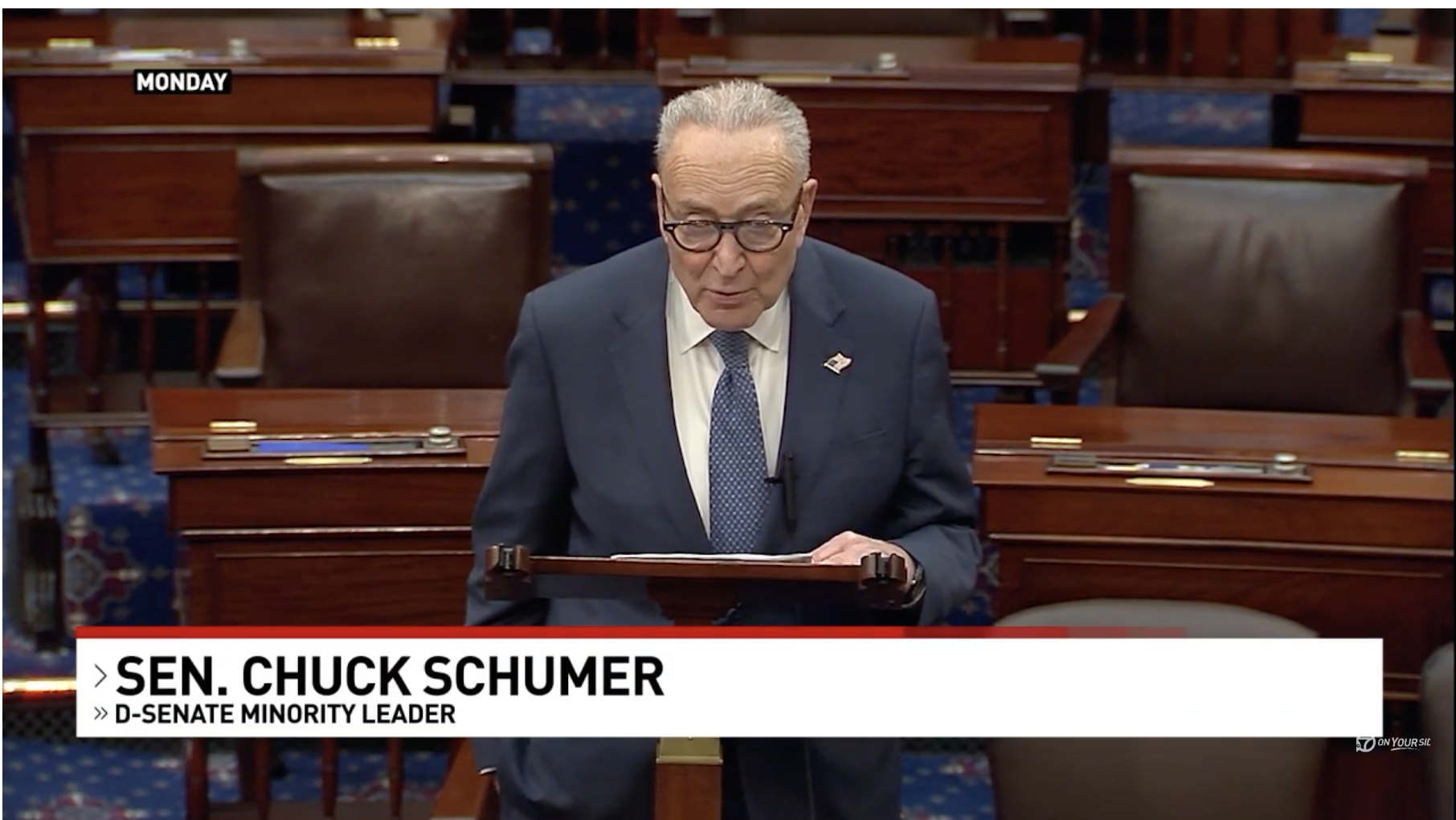
Senate Minority Leader Chuck Schumer recently sparked a heated debate by comparing voter ID requirements to Jim Crow laws, drawing sharp criticism from various political figures and commentators. His remarks came amid discussions of the SAVE America Act, legislation that proposes requiring proof of citizenship for voter registration. Schumer and other Democrats have labeled the bill a modern-day poll tax, arguing it could suppress voter turnout among marginalized communities. This comparison has reignited longstanding tensions about election integrity and voting rights in the United States.
The SAVE America Act aims to tighten voter registration processes by mandating proof of citizenship, a move supporters say is necessary to prevent voter fraud and ensure election security. Critics, however, contend that such requirements disproportionately impact minority voters, the elderly, and low-income individuals who may face difficulties obtaining the necessary documentation. The debate over voter ID laws reflects broader national divisions on how to balance election security with equitable access to voting. Polls show that a majority of Americans, including many Democrats, support some form of voter ID, complicating the political narrative around these laws.
In addition to Schumer, other prominent political figures have faced scrutiny for their positions on the SAVE America Act and related issues. Senator Lisa Murkowski, a Republican from Alaska, has drawn criticism for opposing the bill, with some accusing her of aligning more with Democratic positions than her party's traditional stance. Meanwhile, Senate Minority Leader Mitch McConnell has also been criticized for his approach to election security, with some commentators suggesting his opposition to the bill is influenced by personal and political considerations rather than policy merits. These internal party disagreements highlight the complexities within both major political parties regarding election legislation.
What's at stake
The controversy extends beyond election laws into immigration enforcement, where Representative Eric Swalwell has come under fire for allegations against Immigration and Customs Enforcement (ICE). Swalwell claimed that ICE used a child as bait to arrest the child's father, a charge denied by Acting ICE Director Todd Lyons, who emphasized the agency's role in caring for children in such situations. This exchange underscores the contentious nature of immigration enforcement debates, which often involve deeply personal and emotional issues. Additionally, Representative Shri Thanedar threatened legal action against Customs and Border Protection officials if Democrats regain power, reflecting ongoing tensions about immigration policy and enforcement tactics.
Social issues also remain a flashpoint in the current political climate. Kentucky Governor Andy Beshear faced backlash after vetoing a bill aimed at protecting women’s restrooms and restricting certain medical procedures for minors. Conservatives criticized his veto as undermining parental rights and child protection, illustrating the broader cultural conflicts playing out in state legislatures across the country. At the same time, Representative Alexandria Ocasio-Cortez drew attention for emphasizing a working-class perspective at a U.S.-European security conference, a stance that some critics argue injects identity politics into foreign policy discussions. These examples reveal the wide range of contentious topics shaping political discourse today.
The stakes in these debates are significant, affecting millions of Americans’ access to voting, the enforcement of immigration laws, and the framing of social policies. Supporters of voter ID laws argue that these measures are essential to safeguard elections from fraud and maintain public confidence in democratic processes. Opponents warn that such laws can disenfranchise vulnerable populations and exacerbate existing inequalities. Similarly, immigration enforcement controversies raise questions about the balance between national security, humanitarian concerns, and the rule of law. These issues are deeply intertwined with broader political and social divisions in the country.
Looking ahead, the future of the SAVE America Act and related legislation remains uncertain as lawmakers continue to debate its provisions and implications. The political dynamics within both parties suggest that compromises may be difficult to achieve, especially given the polarized environment. Immigration enforcement policies are also likely to remain a contentious topic, with potential shifts depending on election outcomes and changes in administration priorities. Observers will be watching closely how these debates evolve, particularly as they intersect with upcoming elections and broader discussions about democracy and governance in the United States.
Why it matters
Schumer's comparison of voter ID laws to Jim Crow laws has intensified debates over election integrity and voter suppression. The SAVE America Act's requirement for proof of citizenship is seen by supporters as a safeguard against voter fraud but criticized as restrictive by opponents. Voter ID laws remain divisive, with supporters emphasizing security and opponents highlighting disproportionate impacts on marginalized groups.
Polls show broad public support for voter ID measures, complicating political narratives around these laws. Immigration enforcement controversies highlight tensions between law enforcement practices and humanitarian concerns. Political figures across parties face criticism for their stances on election laws, immigration, and social issues, reflecting deep national divisions.
The outcomes of these debates will influence election policies, immigration enforcement, and social legislation in the near future.
Key facts & context
Senate Minority Leader Chuck Schumer compared voter ID requirements to Jim Crow laws, sparking backlash. The SAVE America Act proposes requiring proof of citizenship for voter registration. Schumer and other Democrats have labeled the SAVE America Act a modern-day poll tax.
Polls indicate a significant majority of Americans, including many Democrats, support voter ID laws. Senator Lisa Murkowski opposed the SAVE America Act and faced criticism for her stance. Senate Minority Leader Mitch McConnell has been scrutinized for his opposition to the bill.
Representative Eric Swalwell accused ICE of using a child as bait to arrest a parent, a claim denied by ICE leadership. Representative Shri Thanedar threatened to prosecute Customs and Border Protection officials if Democrats regain power. Kentucky Governor Andy Beshear vetoed a bill related to women's restrooms and medical procedures for minors, drawing conservative criticism.
Representative Alexandria Ocasio-Cortez emphasized a working-class perspective at a U.S.-European security conference. The political debate over voter ID laws and immigration enforcement reflects broader partisan and social divisions in the U.S. Supporters argue voter ID laws enhance election security, while opponents warn of voter suppression risks.
Timeline & key developments
2026-02-14: Political Figures Criticized for Controversial Statements and Actions. Additional reporting on this topic is available in our broader archive and will continue to shape this timeline as new developments emerge.
Primary sources
Further reading & references
- (Additional background links will appear here as we cover this topic.)
Related posts
- Debate Intensifies Over Deportation Policies Following Border Patrol Shooting of Activist
- Senate Republicans Debate SAVE America Act Amid Divisions Over Voter ID and Priorities
- Democratic Leaders Set Ten Conditions for DHS Funding Focused on ICE Reforms
- Critics Claim Democrats Ignored Immigration Laws, Prompting Current Policy Challenges
- Michigan Ranked-Choice Voting Initiative Paused Amid Opposition