TLT Explains
Neville Roy Singham Under Increased Scrutiny Following U.S. Sanctions on Cuban Entities
What's happening
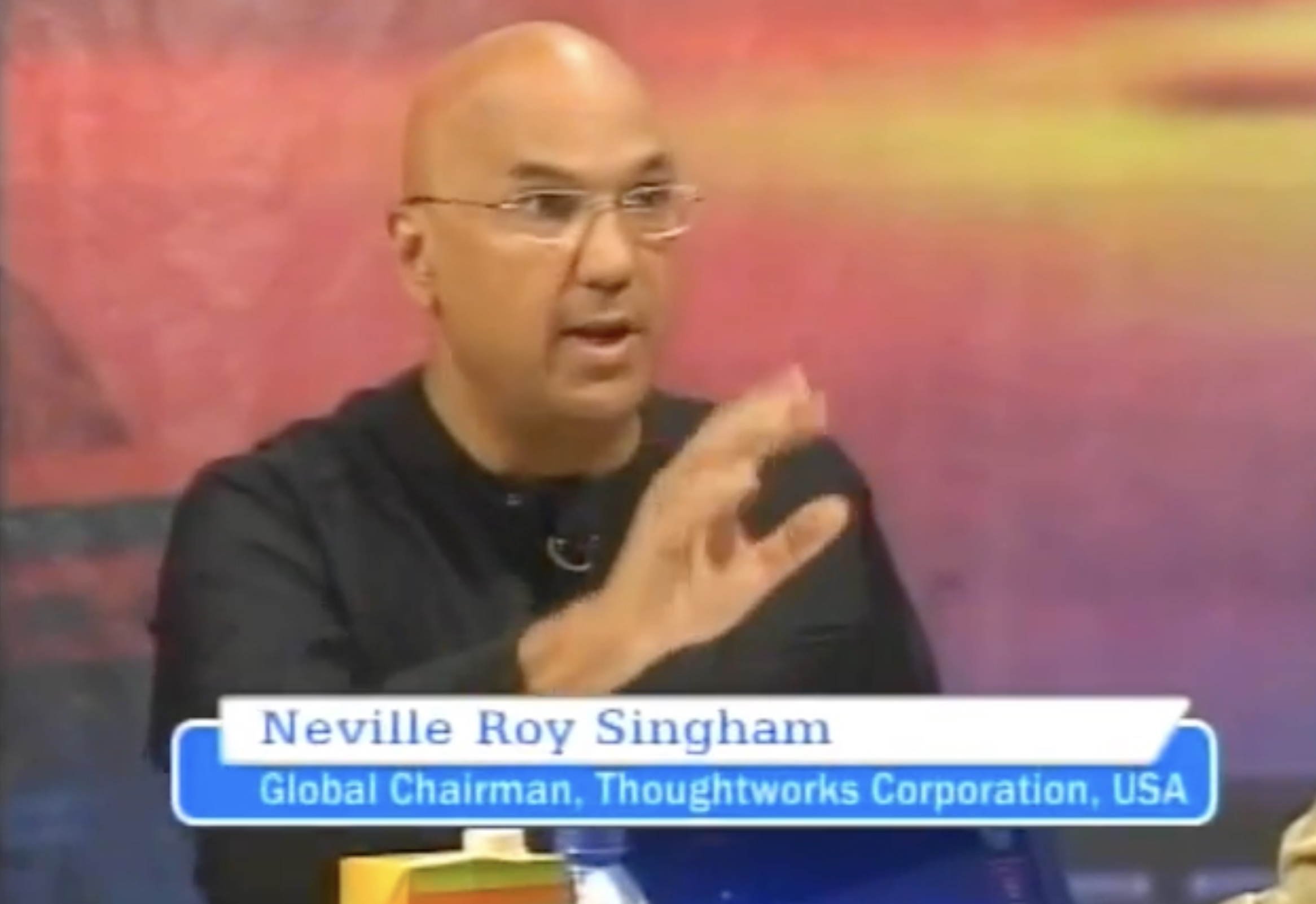
On June 4, U.S. Secretary of State Marco Rubio announced a new round of economic sanctions targeting several Cuban organizations and officials. These measures were introduced amid concerns about communist influence operations that the U.S. government views as threats to national security. The sanctions prohibit U.S. persons from providing funds or services to individuals and entities designated as blocked, aiming to disrupt networks believed to be involved in subversive activities. This announcement has brought renewed attention to Neville Roy Singham, a tech entrepreneur and activist linked by some observers to funding organizations accused of promoting Chinese propaganda. Singham has largely maintained a low public profile but is increasingly described as a key figure in a transnational network influencing narratives in the United States and abroad.
Neville Roy Singham’s background includes founding the software consulting firm Thoughtworks, which he sold in 2017 for approximately $785 million. Although often referred to as a billionaire, Singham is not listed as such by Forbes, with the sale of Thoughtworks appearing to be his primary source of wealth. After the sale, Singham relocated to China, where he has engaged in various activist and philanthropic efforts. Reports indicate that he has financially supported organizations that promote leftist ideologies and perspectives, some of which have been accused of disseminating narratives aligned with Chinese government interests. This connection has raised questions about the extent to which foreign influence may be shaping discourse within the U.S.
Journalist Peter Schweizer has highlighted Singham’s role in relation to the recent sanctions, noting that although the State Department did not explicitly name him, his activities raise significant concerns about foreign influence operations. A 2023 investigation by The New York Times described Singham as funding a network that spans from Chicago to Shanghai, leveraging American nonprofit organizations to spread Chinese talking points. The report suggested that this financial backing could contribute to sowing discord within the United States by promoting anti-American rhetoric. Such activities have broader implications for national unity and public opinion, especially amid heightened geopolitical tensions.
Critics argue that Singham’s philanthropic contributions are not merely benign support for social causes but part of a deliberate strategy to influence public opinion in favor of Chinese interests. Supporters of this view point to the alignment between the organizations he funds and narratives that challenge U.S. policies and values. These concerns are compounded by the fact that some of the nonprofits linked to Singham have been described as “UPS store nonprofits,” a term used to question their legitimacy. Investigations have found that several of these groups list shipping company storefronts as their business addresses, raising skepticism about their operational credibility and true purpose.
What's at stake
Among the organizations supported by Singham are the Justice and Education Fund and the People’s Forum, which focus on educational programming related to social justice issues. The Justice and Education Fund reported receiving over $5.5 million in contributions in 2024, while the People’s Forum, led by Singham’s wife Jodie Evans, received nearly $5.8 million. Both organizations emphasize raising awareness about societal problems and advocating for social change, reflecting Singham’s ideological beliefs. However, the nature and scale of these funding efforts have drawn criticism from various observers who question whether these groups serve as vehicles for foreign influence rather than purely domestic activism.
The increased scrutiny of Singham carries potential legal implications, particularly concerning the Foreign Agents Registration Act (FARA). Federal prosecutors have in recent years pursued cases against individuals engaged in media and advocacy work on behalf of foreign governments without proper registration. A search of the Justice Department’s FARA database indicates that Singham has not registered as an agent of the Chinese government. If allegations of foreign influence are substantiated, this could expose him to legal challenges. Meanwhile, supporters argue that Singham’s activities fall within the bounds of free speech and legitimate philanthropy, contending that accusations of foreign influence are politically motivated and fail to account for the complexities of global advocacy.
The stakes of this situation extend beyond Singham himself, touching on broader concerns about foreign interference in U.S. political discourse and national security. The U.S. government’s sanctions on Cuban entities reflect a wider effort to counter influence operations by authoritarian regimes, including China. Singham’s case exemplifies the challenges of distinguishing between genuine activism and covert influence campaigns. As the debate unfolds, questions remain about how to balance protecting national interests with safeguarding free expression and philanthropic activities in an interconnected world.
Looking ahead, the scrutiny of Neville Roy Singham is likely to continue as federal authorities and policymakers evaluate the extent and impact of his funding networks. Legal investigations could intensify if evidence emerges linking his activities to foreign influence operations requiring FARA registration. Meanwhile, the organizations he supports may face increased public and regulatory examination. Observers will also watch how the U.S. government’s sanctions on Cuban entities affect broader geopolitical dynamics and whether similar measures will be applied to other individuals or groups connected to foreign influence efforts. The coming months will be critical in determining the trajectory of this complex and evolving story.
Why it matters
Neville Roy Singham’s funding of organizations has raised concerns about promoting Chinese propaganda within the U.S. The U.S. sanctions aim to disrupt networks believed to be involved in communist influence operations threatening national security. Singham’s philanthropic efforts are viewed by some as part of a broader strategy to influence public opinion in favor of foreign interests.
Questions about the legitimacy of nonprofits linked to Singham fuel skepticism about their true purpose and operational credibility. Legal scrutiny under the Foreign Agents Registration Act could have significant consequences for Singham and similar actors. The case highlights the challenges of balancing free speech and philanthropy with protecting against foreign interference.
The outcome could influence future U.S. policies on sanctions and oversight of foreign influence in domestic affairs.
Key facts & context
On June 4, Secretary of State Marco Rubio announced new economic sanctions targeting Cuban organizations and officials. The sanctions prohibit U.S. persons from providing funds or services to designated blocked individuals. Neville Roy Singham founded Thoughtworks and sold it in 2017 for approximately $785 million.
Singham relocated to China after the sale and has funded organizations promoting leftist ideologies. A 2023 New York Times investigation linked Singham to a network spreading Chinese talking points via American nonprofits. The Justice and Education Fund and the People’s Forum received over $5.5 million and $5.8 million respectively in 2024.
Some nonprofits linked to Singham have been described as “UPS store nonprofits” due to their use of shipping storefront addresses. Singham has not registered under the Foreign Agents Registration Act as an agent of the Chinese government. Federal prosecutors have pursued cases against individuals for failing to register under FARA when engaging in foreign-influenced media work.
Supporters argue Singham’s activities are protected free speech and legitimate philanthropy. The U.S. government’s sanctions reflect broader efforts to counter foreign influence operations by authoritarian regimes. Neville Roy Singham is described by some as a significant figure in a network influencing narratives both in the U.S. and abroad.
Timeline & key developments
2026-06-08: Neville Roy Singham Faces Scrutiny Amid U.S. Sanctions on Cuban Entities. Additional reporting on this topic is available in our broader archive and will continue to shape this timeline as new developments emerge.
Primary sources
Further reading & references
- (Additional background links will appear here as we cover this topic.)
Related posts
- Federal Agents Arrest Anti-ICE Activists After Protest Disruption at Minnesota Church
- CUNY's 'Global Antifa' Course Raises Concerns Over Academic Freedom and Activism
- Gen Zers Will Never Be The Same After Kirk's Assassination
- ICE Arrest Sparks Controversy Over Media Coverage and Claims of Misconduct
- This Legal Org Protects Antifa Terrorist Cells From Prosecution
- Don Lemon Faces Backlash After Church Disruption with Activists