TLT Explains
Chicago Bulls Waive Jaden Ivey After Remarks on Pride Month Spark NBA Conduct Debate
What's happening
The Chicago Bulls recently waived guard Jaden Ivey following his public comments about Pride Month, which he described as "unrighteousness." Ivey’s dismissal has ignited a heated discussion about the NBA’s disciplinary standards, particularly in how the league handles players who express religious beliefs compared to those accused of serious criminal conduct. This controversy has drawn attention to the league’s policies on player conduct and freedom of expression within professional sports.
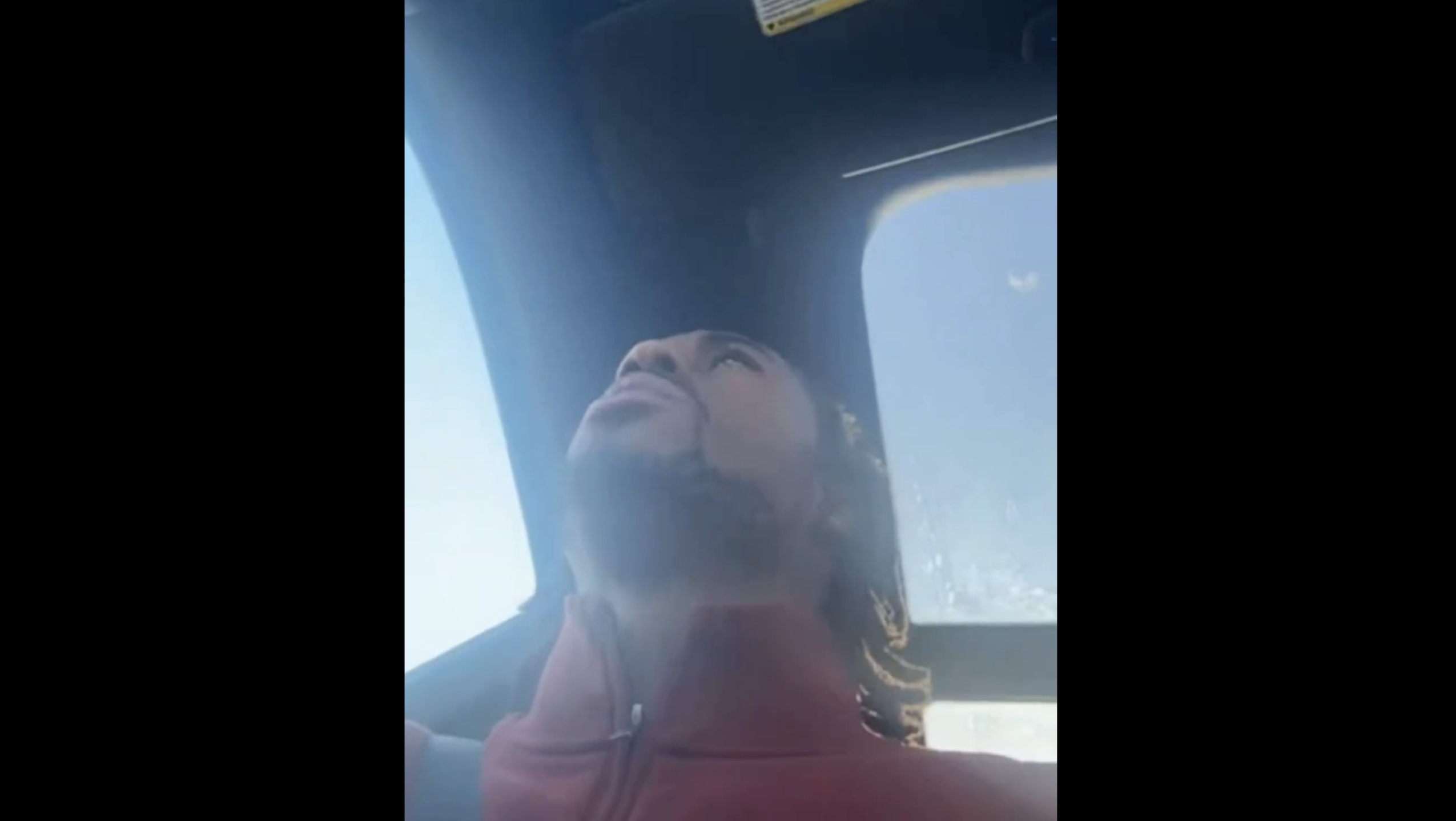
Ivey’s remarks, made on social media, questioned the public celebration of Pride Month and expressed concern over what he perceives as limitations on religious expression. He asked, "So, how is it that one can’t speak righteousness?" highlighting his view that his Christian beliefs were being suppressed. In response, the Bulls cited "conduct detrimental to the team" as the reason for waiving him, a claim Ivey disputes, asserting that his faith-based comments should not be grounds for dismissal.
So, how is it that one can’t speak righteousness?
This incident has brought to light broader questions about the NBA’s consistency in disciplining players. Critics point out that while Ivey faced swift consequences for expressing his religious views, other players accused of violent crimes have received more lenient treatment. For example, Charlotte Hornets forward Miles Bridges was arrested in 2022 on assault allegations and received a 30-game suspension after pleading no contest to a felony charge. However, the NBA ruled that Bridges had already served his suspension during a season spent away from the league, raising concerns about the effectiveness of league discipline.
Similarly, Jaxson Hayes of the Los Angeles Lakers faced domestic violence charges in 2021 but did not receive any league suspension, further fueling perceptions of inconsistency. Kevin Porter Jr. was suspended for four games following a violent incident in 2023, but the NBA determined he had served that suspension during a previous season away from the league. These cases contrast sharply with Ivey’s immediate release over his comments, prompting debate over the league’s priorities and fairness.
What's at stake
Supporters of Ivey argue that the NBA appears to be less tolerant of conservative and religious viewpoints, especially when they conflict with prevailing social norms. They contend that the league’s disciplinary actions reflect a bias that prioritizes certain social issues while sidelining players’ rights to express their faith. This has sparked a wider conversation about the balance between promoting inclusion and respecting individual beliefs within professional sports environments.
The NBA has not issued a formal statement addressing the criticism related to Ivey’s waiver or the perceived double standards in disciplinary measures. While league officials have emphasized commitments to diversity and inclusion in the past, there remains a lack of clear guidelines on how these principles apply to player conduct and expression. This ambiguity has left players and fans uncertain about the boundaries of acceptable speech and behavior in the league.
Ivey has publicly challenged the Bulls’ decision, emphasizing his dedication to his faith and his contributions to the team. He questioned how expressing his belief in Christian teachings could be considered harmful, stating, "Because I believe in the truth? Because I know Jesus is the way, the truth, and the life?" His stance resonates with a segment of players and fans who feel marginalized by the league’s approach to social and cultural issues.
Because I believe in the truth? Because I know Jesus is the way, the truth, and the life?
The stakes of this controversy extend beyond Ivey’s individual case. It highlights the challenges professional athletes face when their personal beliefs intersect with public expectations and organizational policies. The NBA’s handling of such matters could impact its reputation, player relations, and fan engagement, especially as debates over free expression and social justice continue to evolve in sports.
Looking ahead, the NBA may need to clarify its disciplinary framework to address these tensions more transparently. Observers will be watching how the league balances its commitments to social advocacy with protecting players’ rights to express diverse viewpoints. The resolution of this issue could influence future policies on player conduct and shape the broader cultural climate within professional basketball.
Why it matters
The NBA faces scrutiny over perceived inconsistencies in disciplining players for criminal conduct versus expression of religious beliefs. Ivey’s waiver after his Christian remarks contrasts with more lenient treatment of players accused of violent crimes, raising fairness concerns. The controversy highlights tensions between promoting social inclusion and respecting individual freedom of expression in sports.
Fans and players worry the league may be biased against conservative viewpoints, particularly those related to religion. The NBA’s unclear conduct standards contribute to ongoing debates about player rights and league disciplinary policies.
Key facts & context
Jaden Ivey was waived by the Chicago Bulls following comments describing Pride Month as "unrighteousness." The Bulls cited "conduct detrimental to the team" as the reason for Ivey’s release, which he disputes. Miles Bridges received a 30-game suspension after pleading no contest to a felony assault charge in 2022.
The NBA ruled Bridges had already served his suspension during a season away from the league. Jaxson Hayes faced domestic violence charges in 2021 but did not receive a league suspension. Kevin Porter Jr. was suspended for four games after a violent incident in 2023 but was credited for serving it previously.
Ivey publicly defended his right to express his Christian beliefs despite the backlash. The NBA has emphasized diversity and inclusion but has not clarified how these principles apply to player conduct. The league’s disciplinary approach has prompted debate about balancing social justice initiatives with individual rights.
Ivey’s case has intensified discussions about the NBA’s standards for player behavior and freedom of expression.
Timeline & key developments
2026-03-31: NBA Cuts Player After Christian Remarks Amid Controversy Over Conduct Standards. Additional reporting on this topic is available in our broader archive and will continue to shape this timeline as new developments emerge.
Primary sources
Further reading & references
- (Additional background links will appear here as we cover this topic.)
Related posts
- NFL Quarterbacks Highlight Faith in Week 8
- New Book Argues Feminism and Christianity Are Incompatible
- Debate Over the Role of Christianity in American Governance
- Charlie Kirk's Legacy Sparks Debate on Christian Engagement
- Christian McCaffrey Praises Faith After 49ers Victory
- Charlie Kirk Memorial Sparks Debate on Evangelical Leadership and Cultural Engagement