TLT Explains
Critics Challenge Media Portrayal of Ayatollah Khamenei’s Legacy After His Death
What's happening
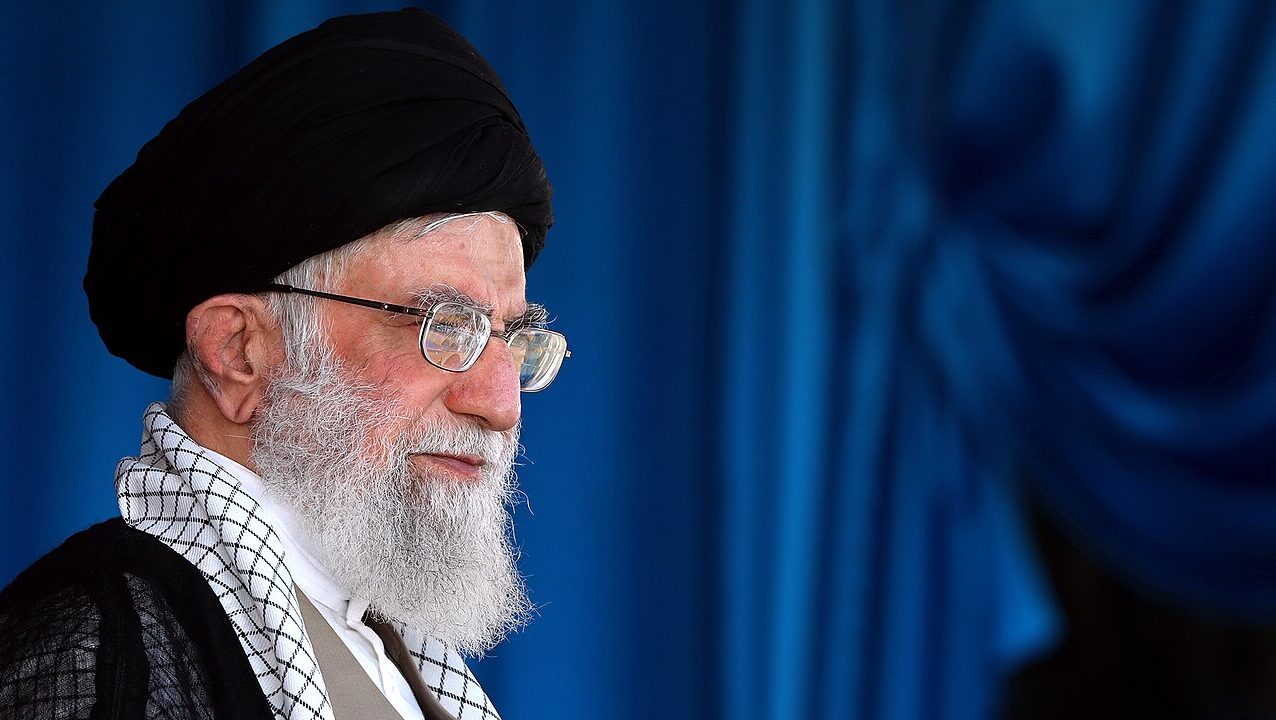
Ayatollah Ali Khamenei, Iran’s supreme leader for more than three decades, was killed in an airstrike on Saturday, an event that has reignited debate over how major media outlets depict his complex legacy. Prominent newspapers like The New York Times and The Washington Post published obituaries that some critics say soften the harsh realities of his rule. These accounts often highlight his personal traits and cultural interests, while downplaying or omitting the extensive human rights abuses and political repression that marked his tenure. This divergence in narrative has sparked renewed scrutiny of editorial decisions and the responsibilities of legacy media in covering authoritarian figures.
Khamenei’s leadership began after the Islamic Revolution and extended over 30 years, during which he consolidated power as Iran’s supreme leader. His regime was characterized by widespread censorship, suppression of dissent, and sponsorship of terrorism abroad. Most recently, his government oversaw the execution of thousands of Iranians who protested against his rule, intensifying international condemnation. Despite these actions, some media portrayals have chosen to emphasize his modest lifestyle, literary interests, and cultural influence, creating a more humanized image that critics argue obscures the severity of his authoritarian governance.
The Washington Post obituary, for example, described Khamenei as a man with a “bushy white beard and easy smile,” highlighting his role in the Islamic revolution and presidency in the 1980s. The article mentioned his fondness for Persian poetry and Western novels, painting a picture of a leader with personal depth. However, critics contend that this focus on personal attributes glosses over the brutal repression and violence that defined his rule. They argue that such framing risks minimizing the suffering of those who endured political persecution, torture, and executions under his command.
bushy white beard and easy smile,
Similarly, The New York Times obituary referred to Khamenei as a “Hard-Line Cleric Who Made Iran a Regional Power,” acknowledging his role in crushing dissent but also noting his avoidance of direct military confrontation with the United States and Israel. Critics have taken issue with the choice of descriptors like “hard-line cleric,” suggesting that stronger terms such as “brutal dictator” or “terrorist” would more accurately reflect his actions. They argue that the emphasis on his modest upbringing and lifestyle choices serves to humanize a leader responsible for significant oppression, thereby diluting the impact of his repressive policies.
Hard-Line Cleric Who Made Iran a Regional Power,
What's at stake
The controversy over these obituaries raises broader questions about editorial judgment and the challenges media face when reporting on authoritarian leaders. Balancing the need for nuanced, comprehensive coverage with the imperative to accurately represent human rights abuses is a complex task. Some defenders of the media’s approach argue that portraying Khamenei’s personal complexities helps avoid a one-dimensional historical narrative. However, this perspective has not been widely articulated in response to the backlash, which centers on concerns that the media’s framing may inadvertently downplay the gravity of his regime’s violence.
The timing of Khamenei’s death adds to the tension surrounding these portrayals. It comes shortly after his regime’s crackdown on widespread protests and executions, events that have drawn international condemnation and heightened awareness of Iran’s human rights record. Critics argue that the obituaries’ limited focus on these recent atrocities, such as the refusal to import COVID vaccines that contributed to over 100,000 deaths, reflects an editorial bias that prioritizes certain narratives over others. This selective emphasis has sparked calls for more critical and comprehensive media coverage of authoritarian figures.
The debate over how to report on Khamenei’s legacy also reflects larger discussions about the role of the press in shaping public perception of political leaders. Media outlets must navigate the tension between providing historical context and avoiding normalization of oppressive regimes. The contrasting narratives in recent obituaries illustrate the difficulties in striking this balance, especially when covering figures with complex legacies that include both cultural contributions and severe repression. As the discourse continues, it highlights the ongoing challenges journalists face in responsibly covering authoritarianism and human rights abuses.
Looking ahead, the media’s portrayal of Khamenei’s death and legacy will likely remain a focal point in discussions about journalistic ethics and editorial responsibility. Observers will be watching how outlets adjust their coverage in response to criticism and whether future reporting will adopt a more critical stance toward authoritarian leaders. The evolving situation in Iran, including potential political shifts following Khamenei’s death, will also influence how his legacy is framed. Ultimately, the debate underscores the importance of transparent, accurate reporting in helping the public understand the full scope of such figures’ impact.
Why it matters
The contrasting narratives highlight the tension between portraying Khamenei’s cultural persona and acknowledging his regime’s brutality. Khamenei’s death follows a period marked by mass executions of protesters, intensifying scrutiny of his legacy. Media portrayals that emphasize personal traits risk minimizing the impact of widespread repression and human rights abuses.
Editorial choices in obituaries influence public understanding of authoritarian leaders and their historical roles. The debate underscores the challenges journalists face in balancing nuanced coverage with accurate representation of oppression.
Key facts & context
Ayatollah Ali Khamenei served as Iran’s supreme leader for over 30 years until his death in an airstrike on Saturday. His regime was known for censorship, political repression, and sponsoring terrorism. Thousands of Iranians protesting his rule were executed under his leadership.
The Washington Post obituary highlighted Khamenei’s personal interests and cultural role while downplaying repression. The New York Times obituary described him as a “Hard-Line Cleric” but also noted his avoidance of direct military conflict with the U.S. and Israel. Critics argue that terms like “hard-line cleric” understate the severity of his authoritarian rule.
Khamenei’s refusal to import COVID vaccines contributed to over 100,000 deaths in Iran. The media coverage has sparked backlash over perceived editorial bias and insufficient emphasis on human rights abuses. Supporters of nuanced coverage argue it prevents one-dimensional historical narratives but this view is less prominent in responses.
The debate reflects broader challenges in reporting on authoritarian figures with complex legacies.
Timeline & key developments
2026-03-02: Media Coverage of Ayatollah Khamenei's Death Draws Criticism. Additional reporting on this topic is available in our broader archive and will continue to shape this timeline as new developments emerge.
Primary sources
Further reading & references
- (Additional background links will appear here as we cover this topic.)