TLT Explains
Supreme Court Limits Trump’s Tariff Authority but Kavanaugh Sees Other Legal Options
What's happening
The U.S. Supreme Court recently issued a 6-3 ruling that struck down President Donald Trump’s use of the International Emergency Economic Powers Act (IEEPA) to impose tariffs. The majority opinion found that the statute does not authorize the president to levy tariffs, marking a significant legal rebuke of the administration’s trade policy approach. This decision challenges the scope of presidential power in setting trade policy without explicit congressional approval. However, Justice Brett Kavanaugh’s dissenting opinion suggests that the president may still have alternative legal pathways to impose tariffs, keeping the door open for continued tariff actions despite the ruling.
The case, Learning Resources, Inc., et al v. Trump, centered on whether Trump’s invocation of IEEPA was lawful in imposing tariffs on imports. The majority concluded that IEEPA’s language does not grant tariff authority, effectively limiting the president’s unilateral power under this statute. Kavanaugh, joined by Justices Clarence Thomas and Samuel Alito, disagreed with this interpretation. He argued that the text and historical use of IEEPA support presidential tariff authority and that the ruling does not preclude tariffs under other federal laws. This split highlights ongoing legal debates over the balance of trade powers between the executive branch and Congress.
Kavanaugh’s dissent emphasized that while the Court rejected IEEPA as a basis for tariffs, numerous other statutes could provide the president with the necessary authority. He cited laws such as the Trade Expansion Act of 1962, the Trade Act of 1974, and the Tariff Act of 1930 as potential legal foundations for imposing tariffs. According to Kavanaugh, the administration simply relied on the wrong statute in this instance. This interpretation suggests that the president’s ability to influence trade policy remains robust, albeit under different legal frameworks. The dissent thus signals that the ruling may not significantly curtail the administration’s tariff agenda.
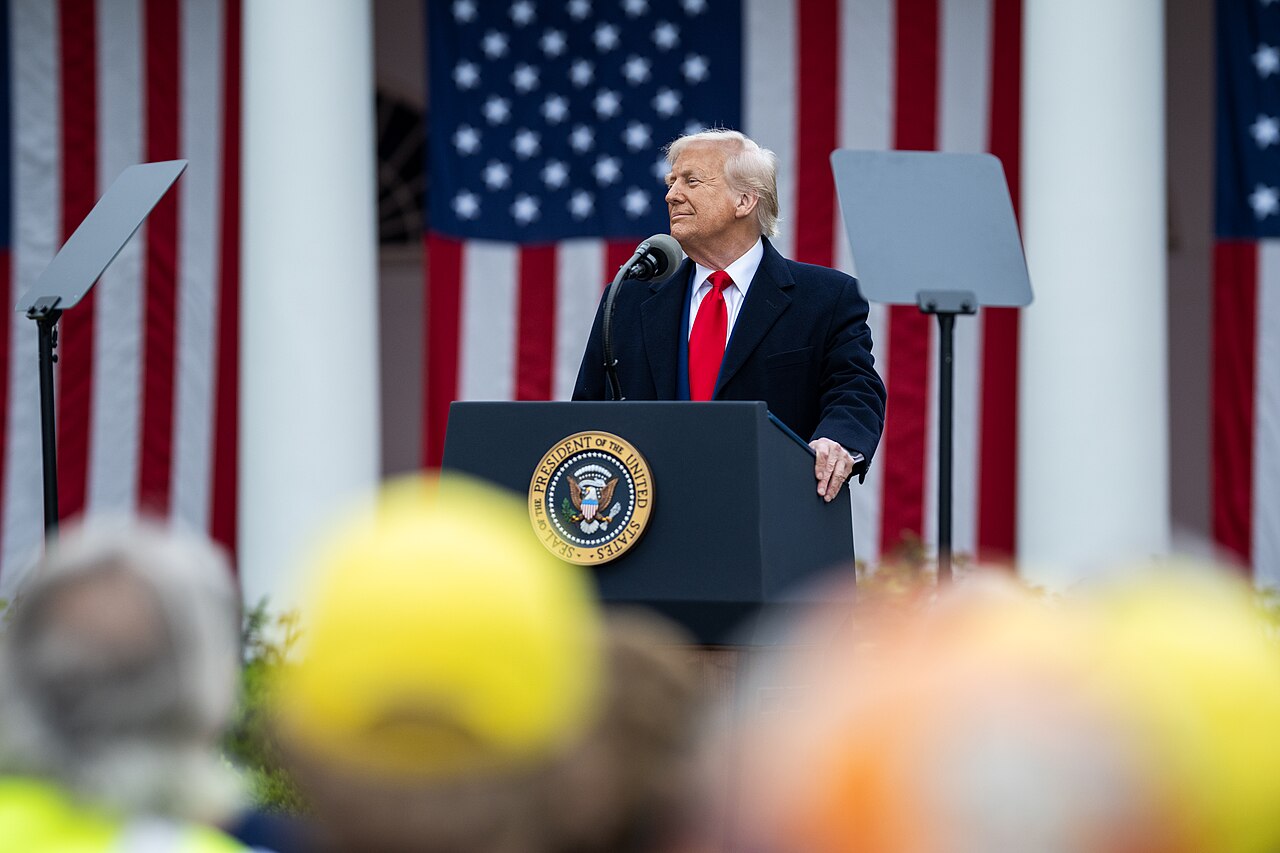
Following the ruling, President Trump swiftly announced plans to impose a new 10 percent global tariff under Section 122 of the Trade Act of 1974. He stated that existing tariffs under Sections 232 and 301 would remain in place, underscoring the administration’s intent to continue its aggressive trade stance. This response demonstrates the administration’s readiness to navigate the legal complexities highlighted by the Court and to pursue tariffs through other statutory authorities. The move also underscores the administration’s commitment to using tariffs as a tool to protect American industries and address trade imbalances.
What's at stake
The Supreme Court’s decision and Kavanaugh’s dissent have significant implications for U.S. trade policy and the broader debate over executive power. Critics of the administration’s tariff strategy warn that such measures risk escalating trade wars, disrupting global supply chains, and increasing costs for American consumers. They argue that unilateral tariff actions can provoke retaliatory measures from trading partners, potentially harming the U.S. economy. Supporters counter that tariffs are necessary to counter unfair trade practices and safeguard domestic manufacturing. The ruling adds a new layer of complexity to these debates by clarifying the legal limits and possibilities for presidential tariff authority.
The key actors in this unfolding story include the Supreme Court justices, the Trump administration, Congress, and international trading partners. The Court’s majority opinion reflects a concern about executive overreach and the need for clear congressional authorization in trade matters. Meanwhile, Kavanaugh’s dissent reflects a more expansive view of presidential power in economic emergencies. The administration’s willingness to pursue tariffs through alternative statutes indicates its determination to maintain leverage in trade negotiations. Meanwhile, Congress’s role remains critical, as it holds the power to define and limit tariff authority through legislation.
The stakes are high for multiple groups. American businesses and consumers could face higher prices and supply chain disruptions if tariffs continue or escalate. Foreign governments affected by U.S. tariffs may respond with retaliatory measures, potentially sparking broader trade conflicts. The legal interpretations set forth by the Court and Kavanaugh’s dissent will influence how future presidents approach trade policy and emergency economic powers. The decision also raises questions about the balance of power between the executive and legislative branches in shaping U.S. trade relations.
Looking ahead, the administration’s next steps will be closely watched by legal experts, lawmakers, and international observers. The president’s announced use of Section 122 to impose new tariffs signals an immediate test of the Court’s ruling and Kavanaugh’s dissenting view. Congress may also consider clarifying or revising trade statutes to address ambiguities exposed by this case. Additionally, affected countries could respond diplomatically or through retaliatory tariffs, influencing global trade dynamics. The evolving legal and political landscape will shape the future of U.S. tariff policy and the broader debate over the scope of presidential authority in trade matters.
Why it matters
The Supreme Court ruled that IEEPA does not authorize the president to impose tariffs, limiting executive power under this statute. Kavanaugh’s dissent argues that other federal laws still provide the president with authority to impose tariffs, keeping options open. The ruling raises questions about the balance of power between the executive branch and Congress in trade policy decisions.
Tariff measures can provoke international retaliation and affect prices for American consumers and businesses. The administration’s response indicates it will continue pursuing tariffs through alternative legal frameworks despite the ruling.
Key facts & context
The Supreme Court issued a 6-3 decision against the use of IEEPA for tariff imposition in Learning Resources, Inc., et al v. Trump. Justice Brett Kavanaugh dissented, joined by Justices Clarence Thomas and Samuel Alito. Kavanaugh cited the Trade Expansion Act of 1962, the Trade Act of 1974, and the Tariff Act of 1930 as alternative legal bases for tariffs.
President Trump announced a new 10 percent global tariff under Section 122 of the Trade Act of 1974 following the ruling. Existing tariffs under Sections 232 and 301 remain in effect as per the administration’s statements. The ruling clarifies that IEEPA does not grant tariff authority but does not eliminate presidential power under other statutes.
The case reflects ongoing legal debates over the scope of presidential trade authority versus congressional powers. The decision and dissent have implications for U.S. trade policy, international relations, and economic impacts on consumers. The administration has not publicly addressed potential international backlash following the ruling.
The Supreme Court’s opinion and Kavanaugh’s dissent are part of a broader discussion on executive emergency powers and trade law.
Timeline & key developments
2026-02-20: Kavanaugh Dissent Suggests Trump Can Still Impose Tariffs After Supreme Court Ruling. Additional reporting on this topic is available in our broader archive and will continue to shape this timeline as new developments emerge.
Primary sources
Further reading & references
- (Additional background links will appear here as we cover this topic.)
Related posts
- Supreme Court Ruling on Tariffs Revives Debate Over Congressional Authority in Trade Policy
- Supreme Court Questions Legality of Trump's Emergency Tariffs
- Trump Has The Power To Impose Tariffs Via IEEPA
- Trump's 18-0 Winning Streak At SCOTUS Highlights Rogue Judges
- Judges Criticize Supreme Court Amid Trump Administration Legal Battles