TLT Explains
California Voters Express Growing Discontent With Progressive Leadership Amid Political Stalemate
What's happening
In California, voter dissatisfaction with progressive governance has been steadily increasing, reflecting widespread frustration over the state's political and policy direction. Despite this growing discontent, there has not been a corresponding shift toward Republican candidates or a centrist Democratic alternative. Many voters remain loyal to the current political leadership, even as critics highlight persistent issues such as mismanagement and controversial policy decisions. This disconnect between voter sentiment and electoral outcomes underscores the complexity of California’s political landscape, where entrenched party dominance and cultural factors influence voter behavior.
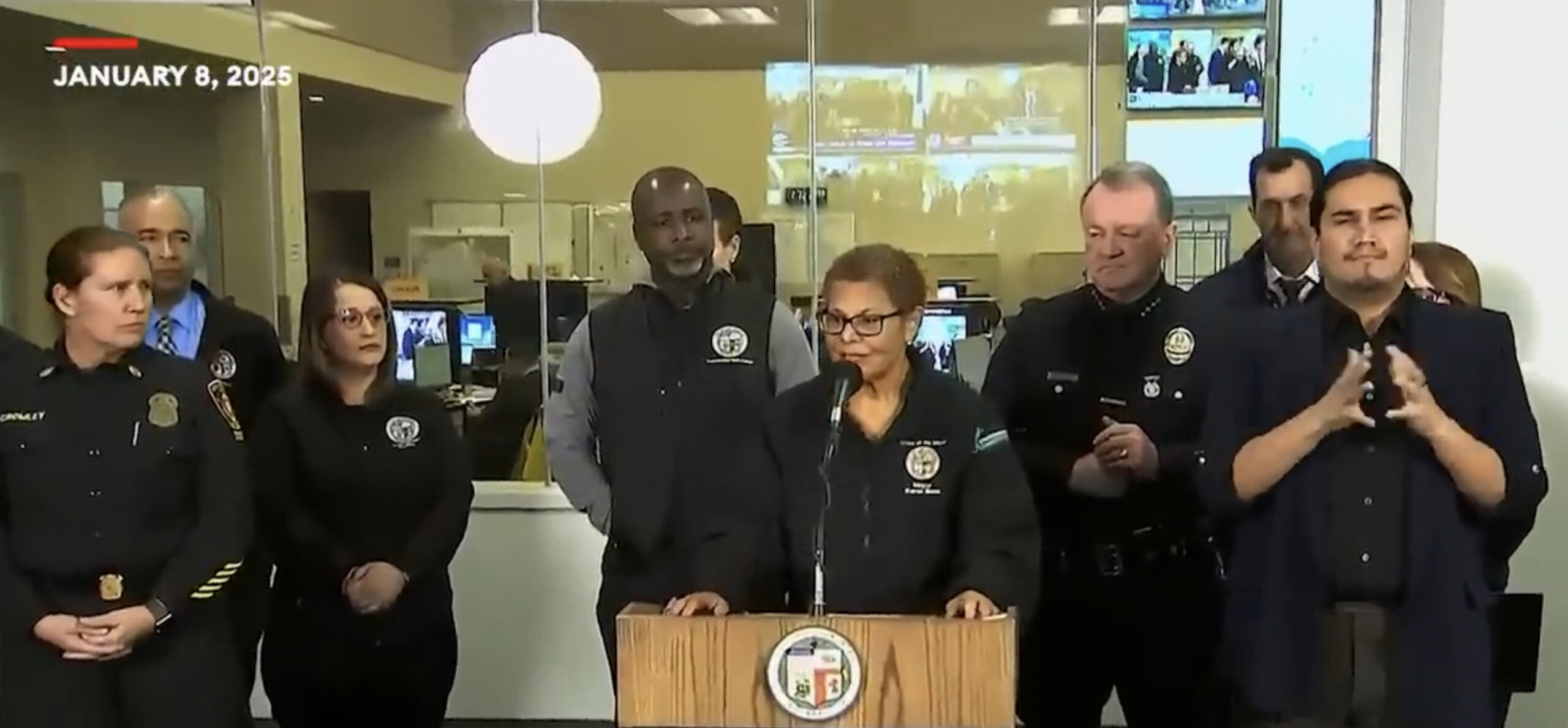
The roots of this dissatisfaction trace back to ongoing challenges in urban centers like Los Angeles and San Jose, where local leaders face mounting criticism. For example, Los Angeles Mayor Karen Bass, who is seeking re-election, has encountered public backlash, including being booed at events, signaling growing frustration among constituents. In San Jose, Mayor Matt Mahan, a centrist Democrat running for governor, openly acknowledges the failures of his party in managing state affairs. However, despite his moderate positioning, Mahan polls in the single digits, while more progressive candidates maintain leads, illustrating the difficulty of breaking through established political dynamics.
At the state level, the California legislature continues to focus on contentious issues such as legislation related to transgender youth, which has sparked heated debates and public outcry. Some critics argue that the state’s approach has become increasingly extreme, with testimonies from individuals like Jamie Reed, a former pediatric gender clinic employee, voicing concerns about the potential harm to gender non-conforming children. These policy battles contribute to the perception among some voters that progressive governance is out of touch with broader public concerns, further fueling dissatisfaction.
What's at stake
Despite the mounting criticism of Democratic leadership, the Republican Party has struggled to capitalize on this discontent. Many voters who are unhappy with progressive policies remain hesitant to support Republican candidates, often due to cultural concerns or skepticism about the party’s platform. This reluctance is exemplified by voices like Kara Dansky, a Democrat who relocated to Florida, who notes that some voters feel alienated by both major parties but are unwilling to switch allegiances. The Republican Party faces the challenge of articulating clear, appealing alternatives that can resonate with disillusioned voters in a state where Democrats hold a supermajority in the legislature.
Local issues also play a significant role in shaping voter attitudes. The controversial SMART train project in Northern California, for instance, has drawn criticism from environmentalists and public figures like Michael Coffino, who view it as a misuse of taxpayer funds and indicative of broader mismanagement by progressive officials. Despite such critiques, many voters in traditionally Democratic areas continue to support their elected representatives, highlighting the complexity of voter loyalty in the face of dissatisfaction. This phenomenon raises questions about the effectiveness of political engagement and the potential for meaningful change within the state’s entrenched political system.
The stakes of this political dynamic are high, as California remains a pivotal state with significant influence on national politics and policy trends. The ongoing tension between voter dissatisfaction and political inertia affects not only electoral outcomes but also the state’s ability to address pressing issues such as housing affordability, homelessness, and public safety. The persistence of Democratic supermajorities means that even if Republican candidates gain ground in public opinion, their capacity to enact change is limited without broader shifts in legislative power or coalition-building.
Looking ahead, the upcoming election cycle will be a critical test of whether California’s political landscape can evolve in response to voter concerns. Key factors to watch include the performance of centrist candidates like Matt Mahan, the ability of Republicans to present viable alternatives, and how progressive leaders respond to criticism and policy challenges. Additionally, local issues and public sentiment around governance effectiveness will likely influence voter turnout and preferences. The interplay of these elements will shape the future of political representation in a state grappling with both dissatisfaction and entrenched party dominance.
Why it matters
Voter dissatisfaction with progressive governance in California is increasing but not leading to major party shifts. Many disillusioned voters remain loyal to Democratic leadership despite concerns over policy and management failures. Republican candidates face challenges in attracting voters critical of current leadership due to cultural and political factors.
Local controversies and policy debates contribute to public frustration but have not significantly altered electoral dynamics. The entrenched Democratic supermajority limits the potential for Republican-led legislative change despite voter discontent.
Key facts & context
California is experiencing rising voter dissatisfaction with its progressive governance model. Progressive policies, including those related to transgender youth, have sparked public debate and criticism. San Jose Mayor Matt Mahan, a centrist Democrat, is running for governor but polls low compared to progressive candidates.
Los Angeles Mayor Karen Bass has faced public backlash amid growing constituent frustration. Republican candidates poll well in some areas but struggle against Democratic supermajorities in the state legislature. The SMART train project in Northern California has been criticized as a mismanagement example by some voters and commentators.
Many voters critical of Democratic policies remain reluctant to support Republicans due to cultural and political concerns. The California legislature continues to focus on controversial issues, reflecting ongoing political polarization. Voter loyalty to Democratic leadership persists despite visible signs of governance challenges and public dissatisfaction.
The upcoming elections will test whether centrist or alternative candidates can gain traction amid political stagnation.
Timeline & key developments
2026-04-17: Critics of Progressive Policies in California Express Discontent Amidst Political Stagnation. Additional reporting on this topic is available in our broader archive and will continue to shape this timeline as new developments emerge.
Primary sources
Further reading & references
- (Additional background links will appear here as we cover this topic.)
Related posts
- Texas Primary Elections Reveal Shifts in Democratic and Republican Party Leadership
- Nebraska Senate Primary Draws Scrutiny Over Alleged Election Manipulation and Candidate Legitimacy
- Critics of Progressive Policies in California Express Discontent Amidst Political Stagnation
- Government Shutdown Linked to Democrats' Political Strategy Missteps
- Democrats Secure Wins in Virginia and New Jersey Elections
- Los Angeles City Controller Kenneth Mejia Faces Establishment Pushback Amid Fraud Investigations