TLT Explains
California High-Speed Rail Project Faces Criticism Over Delays and Rising Costs
What's happening
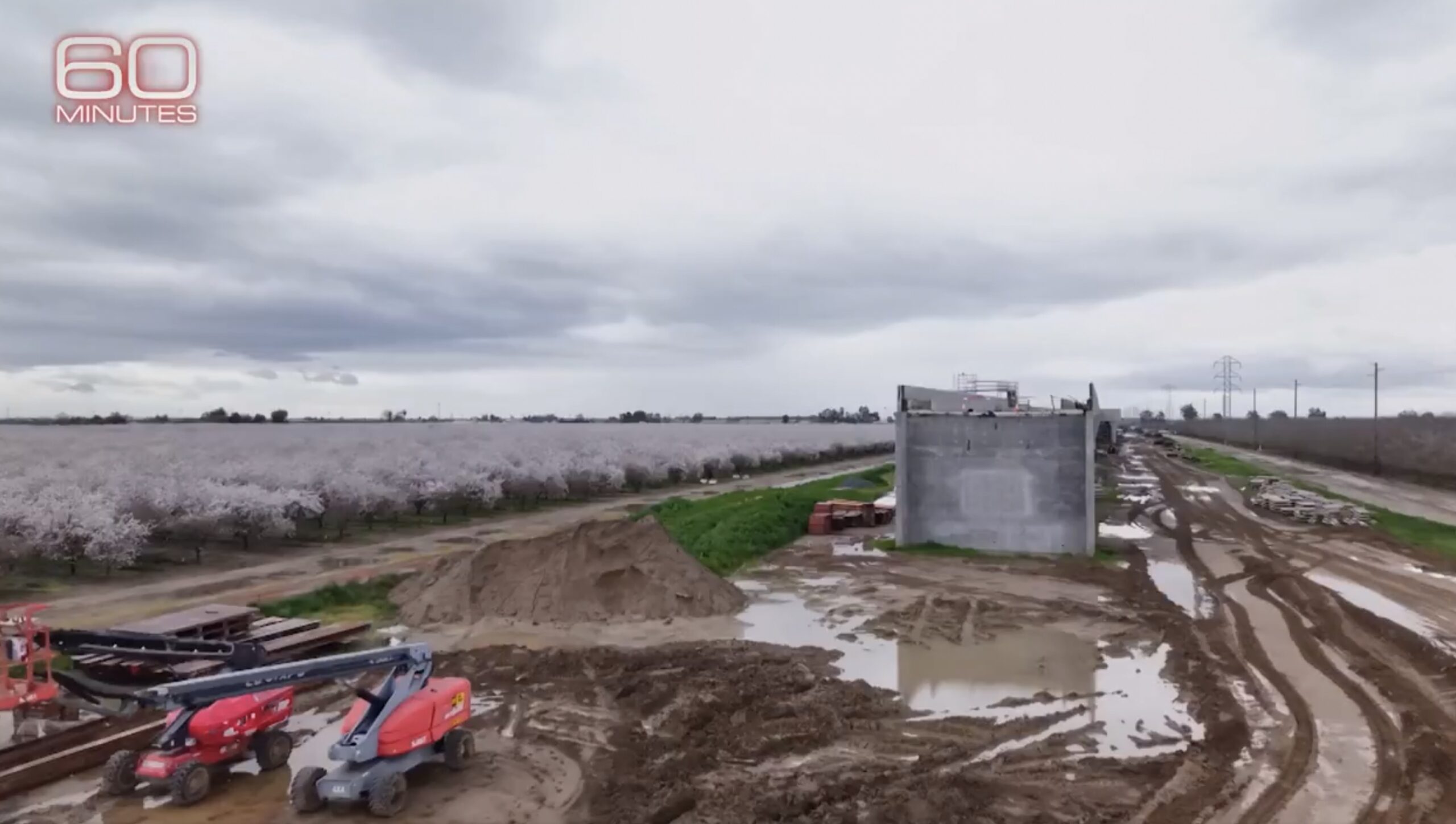
California's high-speed rail project, designed to connect Los Angeles and San Francisco, has been under construction for over a decade and is now facing significant scrutiny due to persistent delays and escalating expenses. Initially envisioned as a transformative transit system to reduce travel times and emissions, the project has encountered numerous challenges that have altered its scope and timeline. Currently, efforts are focused on completing a 119-mile segment through the Central Valley, a portion far removed from the originally planned full route. This segment alone has already consumed tens of billions of dollars, raising questions about the project's overall feasibility and value.
The origins of the California High-Speed Rail project date back nearly 20 years, with active construction commencing about 11 years ago. The initial plan promised a high-speed connection between two of the state's largest metropolitan areas, aiming to revolutionize transportation and reduce reliance on cars and planes. However, over time, the project's goals have shifted due to funding challenges, technical difficulties, and political pressures. Rather than a continuous high-speed line, the current focus is on a slower, more limited route through the Central Valley, which has fueled skepticism about whether the project will ever fulfill its original vision.
The California High-Speed Rail Authority, the agency overseeing the project, argues that the initiative is still vital for the state's future transportation needs. Supporters emphasize the economic benefits, noting that the project has generated over 16,000 jobs and continues to provide employment for many workers in construction and related trades. They contend that the rail system will eventually reduce traffic congestion and greenhouse gas emissions, aligning with California's environmental goals. Despite these claims, the project's shifting plans and ballooning costs have led many to question whether the benefits justify the investment.
Critics have been vocal in their opposition, highlighting the project's cost overruns and delays as evidence of poor management and unrealistic planning. Some have compared the unfinished structures in the Central Valley to a modern-day “Stonehenge,” symbolizing stagnation and wasted resources. A recent CBS 60 Minutes segment titled "California High-Speed Rail Project Faces Criticism Over Delays" underscored these concerns, pointing out that the project is no longer focused on the promised Los Angeles to San Francisco line but rather on a limited core segment that may not adequately serve California’s population. The report also noted that the revised plans involve slower and cheaper sections, which critics say betray the original high-speed rail promise.
What's at stake
Additional scrutiny comes from comparisons to other infrastructure projects both within and outside California. For example, a wildlife bridge in Colorado was completed in 11 months at a cost of $15 million, while California’s mountain lion bridge over the 101 Freeway has taken four years and is projected to cost around $114 million. These disparities have fueled accusations that California’s infrastructure projects suffer from inefficiency and inflated budgets. The Sonoma-Marin Area Rail Transit (SMART) project has also faced criticism for its high costs relative to ridership, with a book titled "The Great Train Heist" claiming the system, which serves about 4,500 daily riders, will cost around a billion dollars to build.
The stakes of the high-speed rail project extend beyond just financial concerns. California’s transportation infrastructure is critical for economic growth, environmental sustainability, and regional connectivity. If the rail system fails to deliver on its promises, it could undermine public trust in large-scale infrastructure investments and complicate future efforts to modernize transit. Moreover, the project’s challenges highlight broader issues in managing complex public works, including securing adequate funding, coordinating among multiple agencies, and adapting to changing political and economic conditions.
Looking ahead, the future of the California High-Speed Rail project remains uncertain. The authority must navigate ongoing funding constraints, political opposition, and technical hurdles to complete the Central Valley segment and potentially expand the system. Meanwhile, other regional projects, such as the San Diego Association of Governments’ proposed $4 billion tunnel under Del Mar for the LOSSAN rail corridor, face similar scrutiny regarding costs and necessity. Observers will be watching closely to see if California can deliver on its ambitious transportation goals or if the high-speed rail project will continue to be a cautionary tale of infrastructure planning.
In the coming months and years, key decision points will include securing additional funding, finalizing construction plans, and determining the project's ultimate scope. The California High-Speed Rail Authority’s ability to manage costs and timelines effectively will be critical to maintaining public and political support. Stakeholders will also be monitoring ridership projections and environmental impacts to assess whether the project can meet its intended objectives. As the debate continues, the outcome of this high-profile infrastructure effort will have lasting implications for California’s transportation future and for similar projects nationwide.
Why it matters
The project has been under construction for over a decade with significant delays and rising costs. Critics argue the rail system may not fulfill its original promise of a high-speed transit connection between Los Angeles and San Francisco. The current focus on a limited 119-mile Central Valley segment has raised doubts about the project's viability and scope.
Escalating expenses have reached tens of billions of dollars, prompting concerns about financial management. The project's challenges highlight broader issues in infrastructure planning and public trust in large-scale investments.
Key facts & context
The California High-Speed Rail project aims to connect Los Angeles and San Francisco with a high-speed rail line. Construction began nearly 20 years ago, with active work starting approximately 11 years ago. The current construction focuses on a 119-mile segment through California's Central Valley.
This segment has already cost tens of billions of dollars, far exceeding initial estimates. The project has faced numerous delays and budget overruns throughout its development. A CBS 60 Minutes segment highlighted the project's struggles and changing plans.
Critics compare unfinished structures to a modern-day 'Stonehenge,' symbolizing stagnation. Supporters cite over 16,000 jobs created by the project as an economic benefit. The SMART train project in Sonoma and Marin Counties has also faced criticism for high costs relative to ridership.
Infrastructure projects in California, including a mountain lion bridge, have experienced significant cost disparities compared to similar projects elsewhere. The San Diego Association of Governments is planning a $4 billion tunnel under Del Mar for the LOSSAN rail corridor. The project’s revised plans involve slower, cheaper sections, deviating from the original high-speed rail vision.
Timeline & key developments
2026-04-06: California High-Speed Rail Project Faces Criticism Over Delays and Costs. Additional reporting on this topic is available in our broader archive and will continue to shape this timeline as new developments emerge.
Primary sources
Further reading & references
- (Additional background links will appear here as we cover this topic.)
Related posts
- California's Vague 'Hate Speech' Bill Would Censor Conservatives
- Los Angeles City Controller Kenneth Mejia Faces Establishment Pushback Amid Fraud Investigations
- California Voters Support Independent Redistricting Commission Amid Newsom's Controversial Plans
- Why California's Race-Based House Maps Will Fail
- Newsom's Ex-Chief Of Staff Indicted For Fraud Scheme
- California Mayor Faces Pressure to Resign After Ex-Fiancé Sentenced for Espionage