TLT Explains
Arizona Attorney General Dismisses Charges Against Trump Allies Amid Collusion Allegations
What's happening
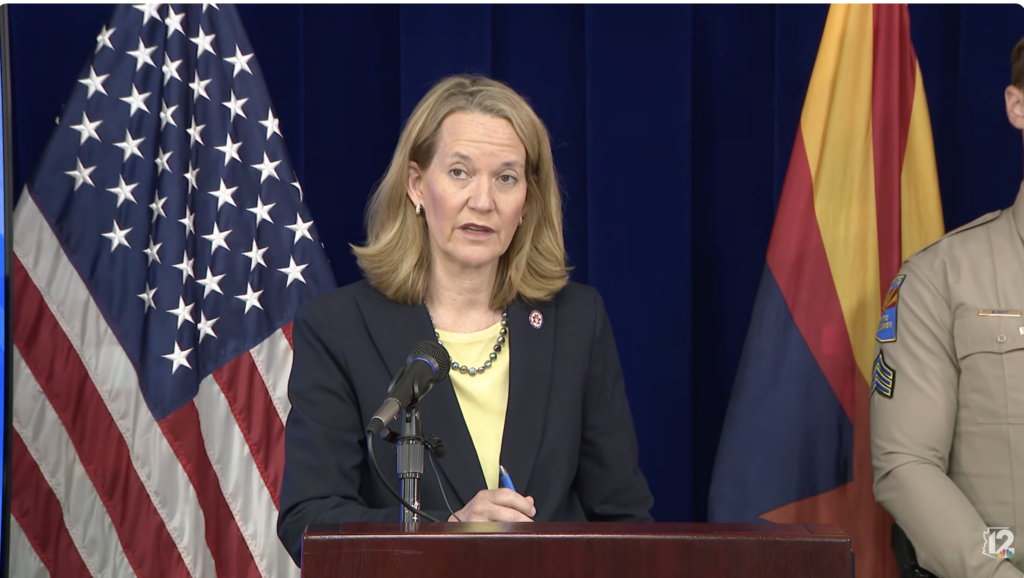
Arizona Attorney General Kris Mayes announced on Thursday that she is dismissing charges against several allies of former President Donald Trump. This decision comes amid allegations that Mayes and other Democratic attorneys general colluded with left-leaning organizations to pursue politically motivated prosecutions. The charges were related to a grand jury indictment from May 2024 accusing 18 individuals of participating in a “fake electors” scheme following the 2020 presidential election. Mayes' move has sparked controversy, with critics accusing her of undermining the legal process for political reasons, while supporters argue it is a necessary step to uphold the rule of law.
The background of this case involves a broader legal and political battle over the aftermath of the 2020 presidential election. Several states, including Arizona, initiated investigations into efforts by Trump allies to submit alternative slates of electors in key battleground states. The indictment that led to these charges was part of a larger effort to hold individuals accountable for what prosecutors described as attempts to subvert the election results. However, these efforts have faced significant legal challenges, including rulings that questioned the validity of the indictments and procedural issues that complicated the prosecution's case.
Central to the controversy are allegations that Mayes and other Democratic attorneys general collaborated with the States United Democracy Center, a nonprofit organization accused by defense attorneys of orchestrating legal actions against Trump’s allies across multiple swing states. Attorneys for some defendants, including Christina Bobb, a former Republican National Committee counsel, filed motions to disqualify Mayes from the case, citing evidence of political coordination and financial contributions from the Democratic Attorneys General Association to Mayes' legal defense fund. These claims have raised questions about the impartiality of the legal process and the potential for prosecutorial overreach.
What's at stake
Supporters of the dismissed defendants argue that the prosecutions are part of a broader campaign to target political opponents rather than genuine efforts to enforce the law. They point to similar cases in other states where courts have dismissed charges against Republicans involved in post-election activities, such as a recent Michigan district court decision that found felony charges against 15 Republicans were an infringement on their constitutional rights. Critics of Mayes contend that her dismissal of charges is a politically motivated maneuver that undermines accountability for actions related to the 2020 election.
On the other hand, proponents of Mayes' actions maintain that holding Trump and his allies accountable is essential to preserving democratic norms and the rule of law. They argue that the legal challenges faced by prosecutors reflect the complexity of the case and the need for thorough investigations. Mayes' office described the case as complex, requiring extensive evidence and time to accommodate defendants' requests to testify. The Arizona Supreme Court’s rejection of Mayes’ attempts to revive the indictment was based on procedural grounds, including the failure to inform jurors about the 1887 Electoral Count Act, which is central to the defendants' legal defense.
The political stakes of this case are significant, as it unfolds against the backdrop of ongoing legal battles related to the 2020 election and the approaching 2024 presidential election. The dismissal of charges in Arizona adds to a pattern of similar legal setbacks for prosecutors in other states, fueling debates about the weaponization of the legal system for political purposes. Arizona GOP chairwoman Gina Swoboda criticized Mayes for focusing on the 2020 election instead of addressing pressing state issues like crime and drug trafficking, highlighting the partisan tensions surrounding the case.
Looking ahead, Mayes has indicated that she may seek to revive the case despite the dismissal. Reports suggest that her legal strategy aims to circumvent deadlines for initiating new grand jury proceedings. However, convincing a new grand jury to indict the defendants again will be challenging, especially given the Arizona Supreme Court’s prior ruling on procedural deficiencies. The ongoing legal battles will likely continue to play a prominent role in political discourse as the 2024 election approaches, with both sides closely watching how these prosecutions evolve and what impact they may have on broader electoral and legal norms.
Why it matters
Dismissal of charges raises concerns about potential political motivations influencing legal proceedings. Allegations of collusion between prosecutors and left-leaning groups suggest possible weaponization of the law. Similar legal dismissals in other states highlight a broader trend of contested post-2020 election prosecutions.
The integrity of the legal system is questioned amid claims of partisan coordination and financial conflicts of interest. The outcome of these cases could affect public trust in election-related investigations and the rule of law.
Key facts & context
Arizona Attorney General Kris Mayes dismissed charges against several Trump allies related to a 2024 grand jury indictment. The charges involved allegations of a “fake electors” scheme following the 2020 presidential election. Defense attorneys accused Mayes of colluding with the States United Democracy Center, a left-leaning organization.
The Democratic Attorneys General Association reportedly contributed $200,000 to Mayes' legal defense fund. The Arizona Supreme Court rejected Mayes' attempts to revive the indictment due to procedural issues. Similar charges against Republicans were dismissed in Michigan and Wisconsin courts.
Critics argue Mayes' actions are politically motivated, while supporters say accountability is necessary. Mayes may attempt to restart the case by convening a new grand jury before upcoming deadlines. The legal challenges are part of broader post-2020 election investigations in multiple swing states.
Arizona GOP leaders have criticized Mayes for focusing on election-related prosecutions instead of other state issues.
Timeline & key developments
2026-06-19: Arizona AG Dismisses Charges Against Trump Allies Amid Allegations of Collusion. Additional reporting on this topic is available in our broader archive and will continue to shape this timeline as new developments emerge.
Primary sources
Further reading & references
- (Additional background links will appear here as we cover this topic.)
Related posts
- Arizona Attorney General Kris Mayes to Seek New Indictment in Trump Electors Case
- Justice Department Opens Criminal Probe Into Nonprofit Funding E. Jean Carroll's Lawsuits Against Trump
- FBI Surveillance of Trump Allies Sparks Controversy Amid Quiet from Democratic Lawmakers
- Trump Settlement Creates $1.776 Billion Fund Amid Lawfare Claims
- Shooting Incident at White House Correspondents’ Dinner Raises Concerns Over Political Rhetoric
- Trump Dismisses Attorney General Pam Bondi Amid Frustrations Over DOJ Performance