Connecticut lawmakers are considering House Bill 5468, which would impose a new system of government oversight on homeschooling families. The bill requires families to file in-person paperwork before beginning to homeschool and mandates annual documentation of their children’s educational progress, reversing decades of a hands-off approach to homeschooling regulation.
The core tension surrounding the bill lies in the balance between child protection and parental rights. Critics argue that the proposed regulations undermine the freedom parents have to educate their children at home, while supporters contend that oversight is necessary to ensure child safety.
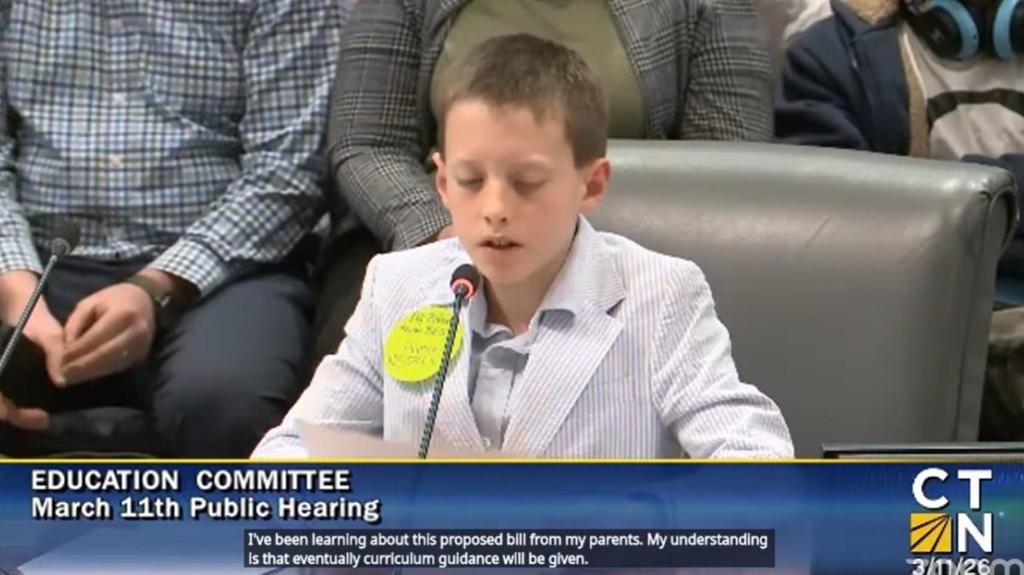
During a lengthy hearing that lasted nearly 19 hours, hundreds of parents, students, and educators expressed their opposition to the bill at the Connecticut Education Committee meeting in Hartford. Testimonies highlighted concerns that the bill would fundamentally alter the relationship between the state and homeschooling families, creating an environment of surveillance rather than trust.
New Oversight Requirements
Under H.B. 5468, families would be required to obtain approval from the Department of Children and Families (DCF) upon withdrawing a child from public school. DCF would check for any prior involvement with the agency before allowing the withdrawal to take effect. Critics, including Ralph Rodriguez, an attorney for the Home School Legal Defense Association, argue that this provision shifts the presumption of innocence, requiring parents to seek government permission to exercise their constitutional right to educate their children at home.
Rodriguez stated, "What H.B. 5468 would actually do is bureaucratically burden Connecticut’s homeschooling families merely to create a paper trail that does not meaningfully address any of the real risk factors for child harm."
The bill has drawn bipartisan opposition, with public school teachers, school officials, and local superintendents also voicing concerns about the administrative burden it would impose. A DCF investigator even testified against the bill, highlighting the lack of support for increased regulatory authority from those who would be responsible for its implementation.
Comparisons to Other States
During the hearing, one of the committee’s co-chairs mentioned New Hampshire’s longstanding homeschool regulations as a potential model for Connecticut. However, a Connecticut mother pointed out that New Hampshire's House of Representatives had just voted to repeal similar regulations, including notification requirements and annual evaluations. This juxtaposition raises questions about the direction Connecticut lawmakers are taking in contrast to other states.
Supporters of H.B. 5468 argue that increased oversight is necessary for child protection. They believe that state involvement can help ensure that homeschooled children receive a quality education and are safe from potential neglect. However, critics counter that existing research does not support the notion that homeschooling correlates with elevated rates of abuse or neglect. Studies have shown that demographic factors such as domestic violence, substance abuse, and poverty are more significant predictors of child maltreatment than the type of education a child receives.
The Future of Homeschooling in Connecticut
The proposed bill has sparked a significant grassroots movement among homeschooling families and their supporters, who argue that the current system has successfully produced well-educated children without the need for increased regulation. They assert that the flexibility inherent in homeschooling allows parents to tailor education to their children’s needs, a benefit that could be compromised by bureaucratic oversight.
As the debate continues, it remains unclear how lawmakers will respond to the widespread opposition expressed during the hearing. While supporters of the bill have framed it as a necessary measure for child safety, many parents and educators are urging lawmakers to reconsider the implications of such regulations on parental rights and educational freedom.
The Connecticut Education Committee is expected to deliberate further on H.B. 5468, with advocates on both sides closely monitoring the outcome. The future of homeschooling in Connecticut hangs in the balance as the state grapples with the complexities of education policy and child welfare.