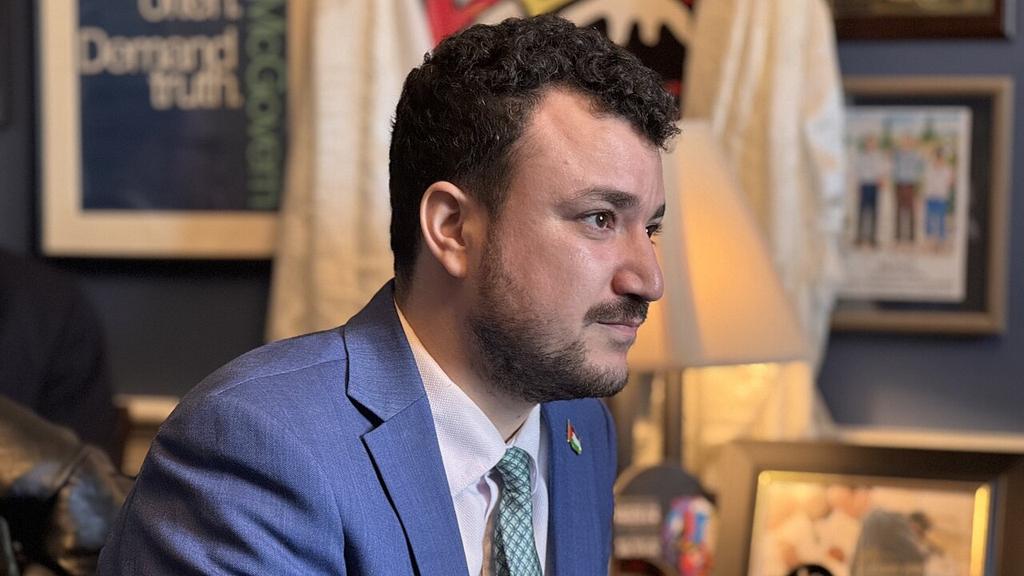
A federal appeals court has ruled against a Biden-appointed judge's order that blocked the deportation of Mahmoud Khalil, a foreign activist linked to Hamas. The Third Circuit Court of Appeals issued a 2-1 decision on Thursday, vacating the orders from District Judge Michael Farbiarz, which had prevented Khalil's removal from the United States.
The ruling highlights a significant legal debate over the jurisdiction of federal district courts in immigration cases, particularly those involving national security concerns. The court's decision underscores the limitations placed on lower courts regarding immigration proceedings, a point of contention in ongoing discussions about the balance of power in the judicial system.
Khalil, a Syrian-born green card holder and Columbia University graduate, was detained last year by federal authorities on allegations of leading activities aligned with Hamas, which is designated as a terrorist organization. According to law professor Mark Goldfeder, Khalil's detention raised concerns about national security and foreign policy, prompting federal action.
Court's Findings
The Third Circuit panel found that while Judge Farbiarz had jurisdiction over Khalil's habeas petition, he ultimately lacked subject matter jurisdiction under the Immigration and Nationality Act (INA). The court stated that the INA channels judicial review of immigration cases to federal courts of appeals, effectively stripping district courts of authority in such matters.
The ruling emphasized that the legal framework established by Congress provides a meaningful forum for Khalil to raise his claims later in the appeals process. "Our holdings vindicate essential principles of habeas and immigration law," the ruling stated.
Judges Thomas Hardiman and Stephanos Bibas, both appointed by Republican presidents, formed the majority in the decision. They argued that federal district courts do not have the power to intervene in immigration cases, a stance that could influence similar cases in the future.
Dissenting Opinion
Judge Arianna Freeman, the dissenting voice in the panel, agreed that Farbiarz had habeas jurisdiction but disagreed with the majority's conclusion regarding subject matter jurisdiction. Freeman contended that the district court should have had the authority to review the merits of Khalil's case. "In my view, the District Court also had subject matter jurisdiction," she wrote, advocating for a review of the injunctive relief granted to Khalil.
The Third Circuit's ruling vacates the previous orders from Farbiarz and remands the case back to the district court with instructions to dismiss Khalil's habeas petition. This decision marks a significant shift in the handling of immigration cases, particularly those involving individuals accused of ties to terrorist organizations.
Implications for Immigration Law
The ruling has broader implications for the judicial landscape concerning immigration law and national security. Legal experts suggest that the decision could limit the ability of district courts to intervene in immigration matters, reinforcing the authority of federal courts of appeals in these cases.
Supporters of the ruling argue that it upholds the integrity of immigration law and ensures that national security concerns are prioritized. However, critics of the decision may argue that it restricts judicial oversight and could lead to potential injustices for individuals facing deportation.
As the legal community continues to analyze the implications of this ruling, it remains to be seen how it will affect future immigration cases and the balance of power between the judicial branches. The Biden administration has not yet publicly responded to the ruling, leaving some questions about its stance on the matter.
The Third Circuit's decision serves as a reminder of the ongoing debates surrounding immigration policy and the role of the judiciary in these complex cases. As the legal landscape evolves, the ramifications of this ruling will likely be felt in various immigration proceedings across the country.