A Catholic church in Dedham, Massachusetts, has ignited controversy with its Nativity display, which replaces traditional figures of Mary, Joseph, and baby Jesus with an empty manger and a sign reading "ICE was here." The pastor, Father Stephen Josoma, has indicated he will not remove the display despite calls from the Archdiocese of Boston to do so.
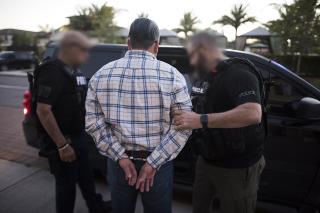
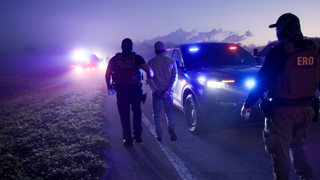
The tension centers on the church's portrayal of the Holy Family as modern-day migrants facing threats from immigration enforcement. Critics argue that this interpretation distorts the biblical narrative and misapplies historical context to current immigration debates.
St. Susanna Church's display was reportedly created by the church’s peace and justice group, which aims to reflect on contemporary issues through the lens of the Christmas story. Josoma stated, "They try to see what [it would] be like if Christ was born into the context of the world today" and questioned, "What would he be facing?"
Archdiocese Response
The Archdiocese of Boston condemned the display, asserting it was erected without permission and calling for its removal. The Archdiocese's secretary for communications stated, "The display [should] be removed, and the manger restored to its proper sacred purpose." Despite this, Josoma has defended the display, suggesting it will remain until he can engage in dialogue with Archbishop Richard Henning.
Josoma emphasized that if the display evokes strong reactions, it might be beneficial for people to reflect on their feelings about it. He noted, "If the circus continues and then there’s threats … anything like that," he would consider taking it down.
Historical Context
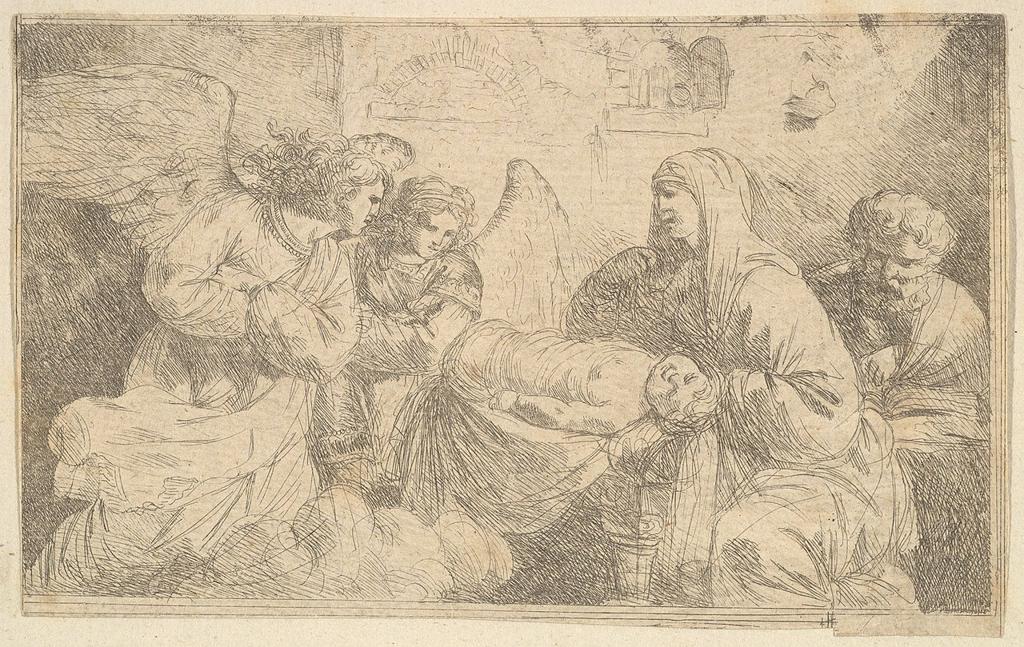
Critics of the display argue that equating the Holy Family's journey to modern immigration issues is historically flawed. They point out that Mary and Joseph traveled to Bethlehem to comply with a Roman census, not to evade law enforcement. The biblical account indicates that Jesus was born in a stable due to a lack of accommodations, not because the family was homeless or fleeing persecution.
Wesley Huff, a Christian apologist, has previously addressed similar comparisons, arguing that applying modern definitions of refugees to ancient contexts is misleading. He stated, "It does not make historical sense to take a modern definition, apply it to a situation within antiquity... and then try to apply it to make a political point."
Broader Implications
The display has sparked a broader discussion about the intersection of faith and politics, particularly regarding immigration policy. Supporters of strict immigration enforcement argue that the portrayal of the Holy Family as refugees undermines legitimate concerns about national security and the complexities of modern immigration laws.
While some church leaders advocate for a compassionate approach to immigration, critics assert that using religious narratives to justify current immigration policies can distort the original messages of those narratives. They contend that such comparisons can detract from the historical significance of the Nativity story.
As the debate continues, the church's display remains a focal point for discussions about immigration, faith, and the responsibilities of religious institutions in political discourse. The Archdiocese has not indicated whether it will take further action regarding the display, leaving the situation unresolved for now.