The House Permanent Select Committee on Intelligence (HPSCI) approved an anti-government-weaponization measure on Wednesday aimed at limiting the ability of U.S. intelligence agencies to interfere in elections. This provision is part of the broader Intelligence Authorization Act and seeks to prevent the Federal Bureau of Investigation (FBI) from conducting covert investigations into federal candidates, a practice criticized following the 2016 election.
The measure mandates that the FBI must inform congressional leadership of any investigations involving federal candidates for office. This requirement stems from concerns raised by Republican Rep. Elise Stefanik, who noted that FBI Director James Comey had not disclosed the investigation into then-candidate Donald Trump during the 2016 election cycle.
In 2016, Comey initiated a counterintelligence investigation into Trump based on information later deemed to be unfounded. Critics argue that this investigation was politically motivated and violated established protocols. "We must prevent the illegal political weaponization of intelligence agencies in our elections as James Comey perpetrated in 2016," (Www.fec — fec.gov) Stefanik stated.
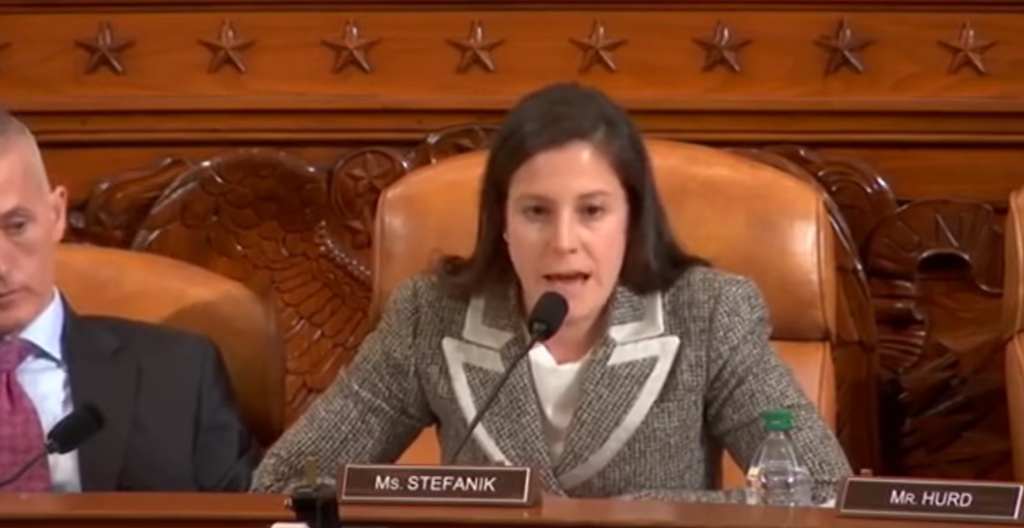
Stefanik's concerns were amplified during a 2017 congressional hearing when she questioned Comey about the lack of disclosure regarding the investigation. Comey responded that the sensitivity of the matter justified not including it in regular briefings to Congress.
The new language passed by the HPSCI aims to ensure transparency and accountability in how intelligence agencies operate during election cycles. It follows years of scrutiny over the FBI's actions during the 2016 election, which many Republicans view as a significant overreach.
Supporters of the measure, including Stefanik, argue that it is essential to safeguard the integrity of elections by preventing intelligence agencies from engaging in politically motivated actions. They assert that the FBI's past conduct has undermined public trust in these institutions.
However, critics of the measure warn that it could hinder legitimate investigations into potential wrongdoing by candidates. They argue that oversight is necessary to maintain the rule of law and that limiting the FBI's ability to act could have unintended consequences.
The provision now moves to the full House for a vote, which is expected later this year. If approved, it would represent a significant shift in how intelligence agencies interact with political candidates during election periods.
The ongoing debate reflects broader concerns about the role of intelligence agencies in American politics and the need for reforms to prevent perceived abuses of power. As the legislative process unfolds, both supporters and opponents of the measure will continue to voice their perspectives on its implications for future elections.