TLT Explains
Virginia Democrats Face Legal Challenge Over Language of Proposed Abortion Amendment
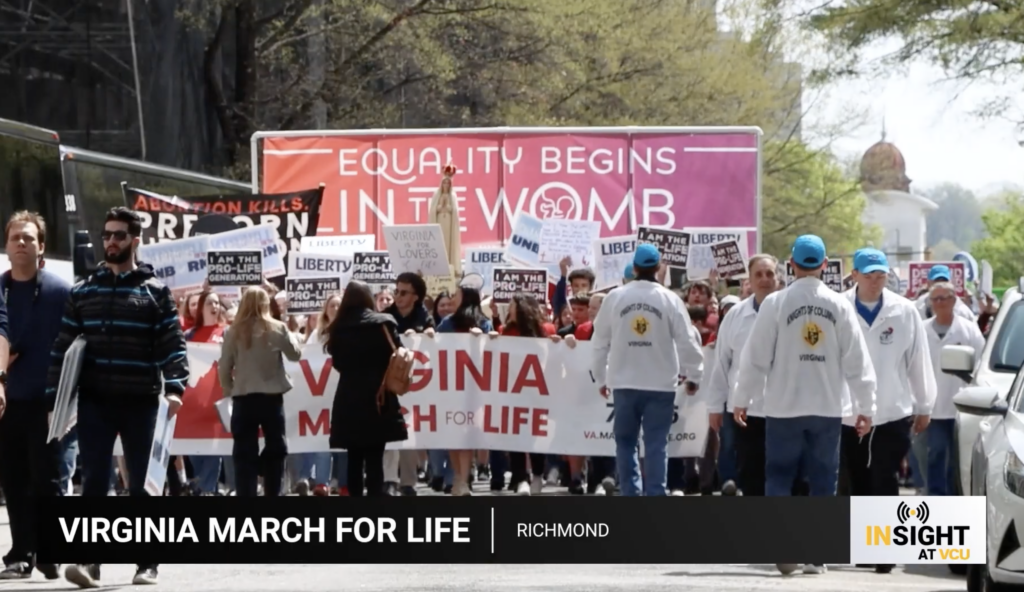
What's happening
Democrats in Virginia are currently confronting a lawsuit that challenges the wording of a proposed abortion amendment scheduled for a vote this November. The legal action was filed in Tazewell County Circuit Court and targets the "Right to Reproductive Freedom Amendment," arguing that its language is deceptive and that procedural irregularities should invalidate the election results. At the heart of the dispute is the contention that the amendment’s broad provisions could substantially change abortion regulations within the state.
The plaintiffs behind the lawsuit include groups such as the Association of American Physicians and Surgeons and the Virginia Medical Freedom Alliance. They claim the amendment would eliminate parental notification requirements for minors seeking abortions and permit unlicensed individuals to perform abortion procedures without facing penalties. These concerns have intensified given the amendment’s potential to reshape reproductive health laws in Virginia significantly.
This amendment has become a central issue for Virginia Democrats following their recent electoral successes, which shifted control of the state legislature in their favor. The amendment’s path to the ballot involved passage in two consecutive legislative sessions, a process that Republicans sought to block but ultimately failed due to the Democratic majority. This political backdrop underscores the high stakes and partisan tensions surrounding the amendment.
Critics of the amendment have focused heavily on the language used in the ballot question, describing it as vague and misleading. Attorney and former Virginia delegate Mark Earley characterized the wording as "deceptive" and "incomplete," emphasizing that the ballot language does not sufficiently explain the amendment’s wide-ranging effects. Similarly, Olivia Gans Turner, president of the Virginia Society for Human Life, expressed concern that the amendment’s wording downplays the possibility of unregulated abortion up to birth, particularly because key terms like "health" remain undefined and open to broad interpretation.
What's at stake
The ballot question itself asks voters whether they support amending the state constitution to protect personal decisions regarding various aspects of reproductive health, including abortion. However, opponents argue that this phrasing obscures the amendment’s true consequences, especially concerning protections for minors and the lack of clear regulatory boundaries. These ambiguities have fueled the legal challenge and heightened public debate.
This legal dispute unfolds against a broader national context following the Supreme Court’s decision to overturn Roe v. Wade. Since that ruling, 17 states have placed abortion-related measures on their ballots, with several enacting expansive protections for abortion rights. Virginia’s amendment is viewed by some as among the most far-reaching proposals in the country, drawing significant attention from both pro-choice and pro-life advocates.
Earlier this year, Virginia Democrats, led by Governor Abigail Spanberger, attempted to expedite a vote on a Congressional map amendment designed to consolidate Democratic power. That effort was blocked by a Tazewell County judge, who cited legal violations. The state Supreme Court upheld this ruling, establishing a precedent that opponents of the abortion amendment hope to use in their current lawsuit. Victoria Cobb, president of The Family Foundation, sees this as an encouraging sign for the pro-life legal challenge, highlighting the court’s willingness to invalidate constitutional amendments that do not meet procedural standards.
Despite the lawsuit, supporters of the abortion amendment have not publicly addressed the legal claims. The upcoming November election represents a pivotal moment, as the outcome could shape Virginia’s abortion policies for years to come. Both sides are expected to engage in vigorous campaigning, with significant financial resources likely to be deployed to influence voters. Given the contentious nature of the issue, further legal challenges may arise as the state navigates this complex and divisive debate.
Looking ahead, observers will be closely watching the court’s response to the lawsuit and the campaigns leading up to the vote. The legal process could extend beyond the election, potentially affecting the amendment’s implementation. Additionally, the results in Virginia may have wider implications, reflecting and influencing national trends in the ongoing discourse over reproductive rights and state-level abortion policies.
Why it matters
The lawsuit challenges the amendment’s language as deceptive and procedurally flawed, risking invalidation of election results. Undefined terms like "health" in the amendment create uncertainty about its full impact on abortion regulations. The amendment’s passage could remove parental notification requirements and allow unregulated abortion practices.
Virginia’s political shift has enabled Democrats to advance the amendment despite Republican opposition. The legal precedent from a recent Tazewell County ruling offers a potential pathway to challenge the amendment.
Key facts & context
The lawsuit was filed in Tazewell County Circuit Court against the "Right to Reproductive Freedom Amendment." The amendment is set for a vote in Virginia’s November election. Plaintiffs include the Association of American Physicians and Surgeons and Virginia Medical Freedom Alliance.
The amendment requires passage in two consecutive legislative sessions before appearing on the ballot. Virginia Democrats hold a legislative majority following recent elections. The ballot question uses broad language about protecting personal decisions related to reproductive health, including abortion.
The term "health" is not explicitly defined in the amendment’s language. The Virginia Supreme Court upheld a ruling blocking a separate constitutional amendment, setting a precedent relevant to this case. Since the overturning of Roe v. Wade, 17 states have placed abortion-related measures on their ballots.
Victoria Cobb, president of The Family Foundation, supports the lawsuit challenging the amendment’s language. Governor Abigail Spanberger led a previous attempt to fast-track a Congressional map amendment that was blocked by the courts. The lawsuit represents the first legal challenge against the abortion amendment, with further challenges anticipated.
Timeline & key developments
2026-05-29: Virginia Democrats Face Lawsuit Over Abortion Amendment Language. Additional reporting on this topic is available in our broader archive and will continue to shape this timeline as new developments emerge.
Primary sources
Further reading & references
- (Additional background links will appear here as we cover this topic.)
Related posts
- Out-of-State Funding Dominates Virginia’s Gerrymandering Amendment Campaign Ahead of April Referendum
- Virginia AG Candidate Jay Jones Faces Scrutiny Over Violent Texts
- Virginia's April Referendum on Redistricting Raises Debate Over Political Fairness
- Virginia Democrats Propose Controversial Gerrymandering Ballot Language
- Virginia AG Candidate Jay Jones Faces Backlash Over Violent Comments
- Leftist Politicians Are More Dangerous Than Radicals On Podcasts