TLT Explains
Republican Senators Seek to End Filibuster to Pass Controversial SAVE America Act on Voter ID
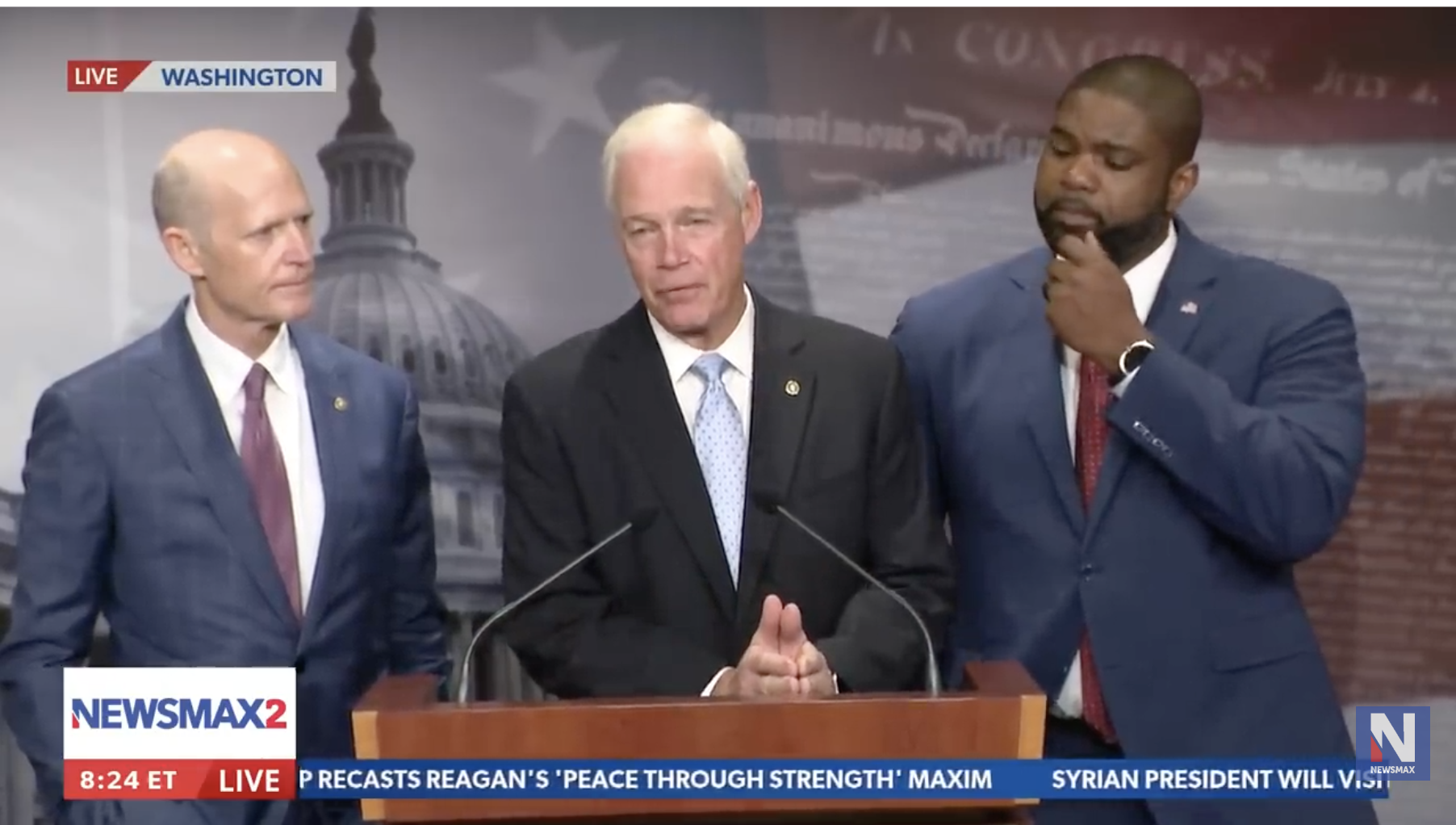
What's happening
Two Republican senators, Rick Scott of Florida and Ron Johnson of Wisconsin, have called for the elimination of the Senate filibuster to advance the SAVE America Act, a contentious bill focused on tightening voter identification requirements. The legislation aims to require documentary proof of citizenship for voter registration and photo ID to cast a ballot. Scott and Johnson argue that the current political climate demands bold action to protect election integrity and prevent voter fraud, which they see as a growing threat to the democratic process.
The filibuster, a Senate rule requiring 60 votes to end debate on most legislation, has long been a tool for the minority party to block bills. The push to eliminate it for the SAVE America Act highlights a deepening divide within the Republican Party about legislative tactics and the future of voting rights in the United States. While some Republicans support ending the filibuster to pass the bill, others remain cautious, concerned about the broader implications of weakening Senate norms and the potential backlash it could provoke.
Supporters of the SAVE America Act maintain that the bill is essential to safeguard elections from fraud and restore public confidence. They emphasize the need for stricter voter ID laws and citizenship verification as measures to ensure only eligible voters participate. However, critics, including Senate Democrats and various advocacy groups, argue that the legislation would disproportionately disenfranchise marginalized communities, including minorities, the elderly, and low-income voters, by imposing barriers to registration and voting.
The bill has faced staunch opposition from Senate Democrats, who contend that it would suppress voter turnout ahead of upcoming elections. They argue that the legislation undermines the principles of democracy by making it harder for eligible voters to access the ballot box. Prominent figures outside of politics, such as entertainer Cyndi Lauper, have also voiced criticism, describing the SAVE America Act as a form of voter suppression rather than a legitimate effort to combat fraud.
What's at stake
Senator Ron Johnson has expressed frustration with the Senate's current state, suggesting that the institution is broken and that urgent action is needed. He and Senator Scott argue that Democrats' refusal to engage in bipartisan discussions on the bill justifies their call to eliminate the filibuster. However, this stance has not gained unanimous support within the GOP. Senate Majority Leader John Thune of South Dakota has noted that a talking filibuster—requiring Democrats to publicly defend their opposition—may not be a viable strategy for many Republicans, reflecting internal divisions on how to proceed.
Some Republicans, like Senator Cynthia Lummis of Wyoming, have voiced concerns about the potential consequences of eliminating or modifying the filibuster. Lummis warned that such moves could cause significant delays on other legislative priorities without guaranteeing the passage of the SAVE America Act. This hesitation illustrates the balancing act GOP leaders face between advancing their election integrity agenda and maintaining Senate procedural norms that protect minority rights.
The stakes of this debate are high, as the SAVE America Act has become a focal point in the broader national conversation about election security and voting rights. Former President Donald Trump has identified the bill as a top priority, framing it as a necessary response to perceived threats against the electoral system. Republicans fear that if Democrats regain control of the Senate, they will eliminate the filibuster and pass sweeping changes to federal election laws, which they believe would further erode election integrity.
As Congress returns from its spring recess, Senator Scott has urged his colleagues to remain focused on passing the SAVE America Act, emphasizing that the effort must continue without pause. The outcome of this legislative battle will have significant implications for the future of voting rights in the United States, potentially reshaping how elections are conducted and who can participate. The ongoing partisan divide underscores the challenges of finding common ground on election-related issues in a deeply polarized political environment.
Looking ahead, the key developments to watch include whether Senate Republicans can unify behind eliminating or reforming the filibuster to advance the SAVE America Act. The Democratic caucus is expected to maintain strong opposition, potentially using procedural tools to block the bill. The debate may also influence broader discussions about Senate rules and voting rights legislation in the lead-up to the 2026 midterm elections. Observers will be closely monitoring how these dynamics unfold and what compromises, if any, emerge in the coming months.
Why it matters
Eliminating the filibuster could allow the SAVE America Act to pass despite Democratic opposition. The bill aims to tighten voter ID requirements to prevent alleged voter fraud, a key concern for supporters. Critics argue the legislation disproportionately disenfranchises marginalized groups and restricts voting access.
The debate reflects broader partisan divisions over election integrity and voting rights in the U.S. Senate procedural rules and internal GOP disagreements complicate efforts to advance the bill.
Key facts & context
The SAVE America Act requires documentary proof of citizenship to register to vote and photo ID to cast a ballot. Senators Rick Scott and Ron Johnson have publicly called for eliminating the filibuster to pass the bill. Senate Democrats have strongly opposed the legislation, citing concerns about voter suppression.
Senate Majority Leader John Thune has indicated that a talking filibuster is not a viable option for many Republicans. Senator Cynthia Lummis warned that filibuster changes could delay other legislative priorities. Former President Donald Trump has identified the bill as a top priority for election security.
Critics including advocacy groups and public figures have labeled the bill as voter suppression. The filibuster requires 60 votes to end debate on most Senate legislation, often empowering the minority party. The SAVE America Act has become a central issue in the ongoing debate over election laws ahead of the 2026 midterms.
Senator Ron Johnson described the Senate as broken and urged urgent action to pass the legislation.
Timeline & key developments
2026-04-10: Republican Senators Push to Eliminate Filibuster for SAVE America Act. Additional reporting on this topic is available in our broader archive and will continue to shape this timeline as new developments emerge.
Primary sources
Further reading & references
- (Additional background links will appear here as we cover this topic.)
Related posts
- Senate to Debate SAVE America Act Amid Filibuster and Election Integrity Disputes
- Senate Republicans Consider Talking Filibuster to Advance Controversial Voting Bill
- Senate Debates SAVE America Act to Strengthen Election Security Amid GOP Divisions
- Senator Murkowski Opposes SAVE America Act, Highlighting GOP Divisions Over Election Laws
- Rep. Chip Roy Proposes Senate Strategy to Advance SAVE Act Without Filibuster Change
- Senate Weighs Revival of Talking Filibuster Amid Push for SAVE America Act Voting Rules