TLT Explains
Rep. Shri Thanedar Threatens Legal Action Against GOP Officials Amid Immigration Enforcement Disputes
What's happening
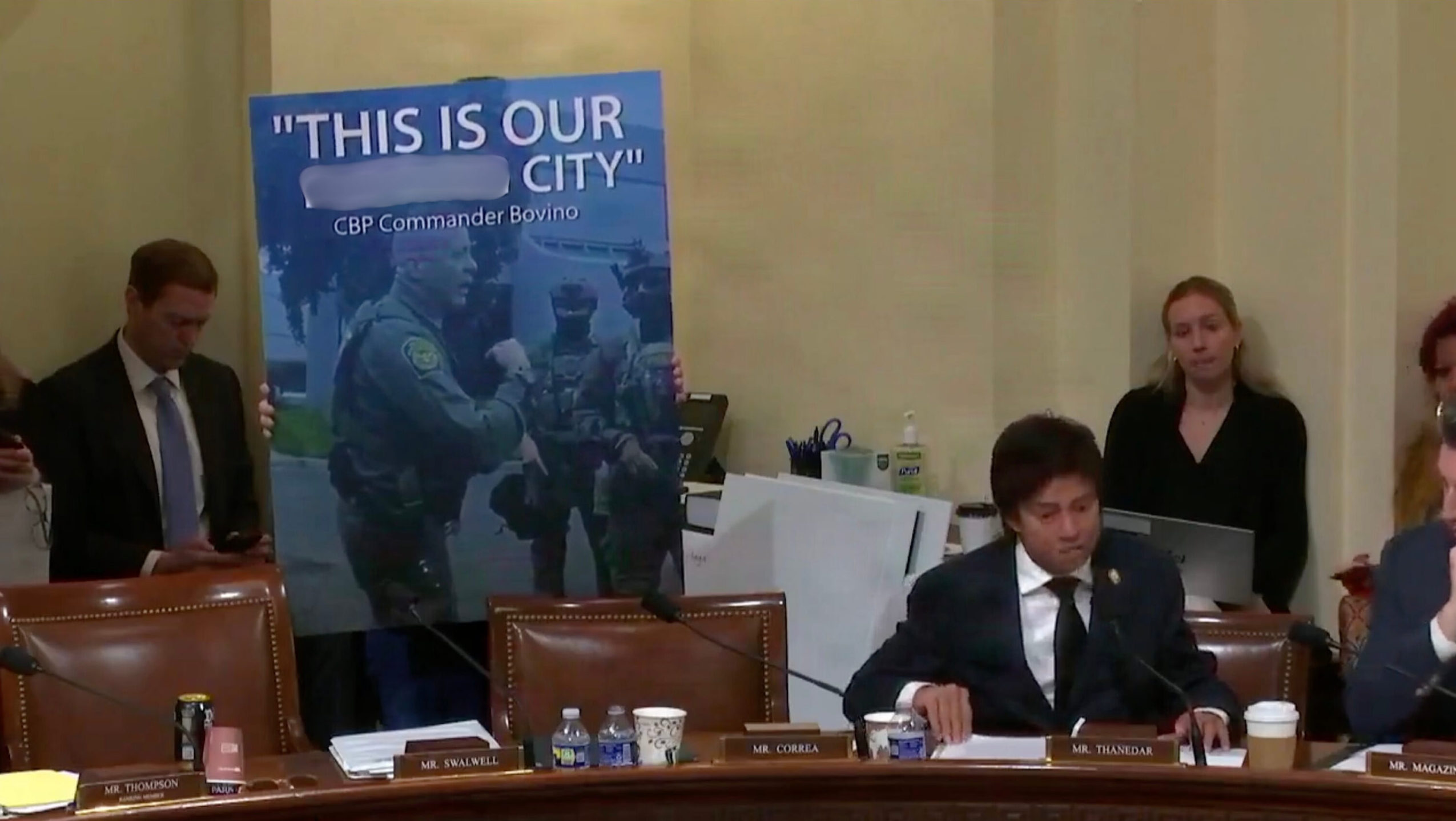
Rep. Shri Thanedar, a Democrat representing Michigan, recently issued a stark warning to Customs and Border Protection Commissioner Rodney Scott during a congressional hearing, signaling potential legal consequences if Democrats regain control of the House. Thanedar’s remarks highlighted a growing tension over immigration enforcement policies and the accountability of officials who served under the previous administration. His statement, "You better hope you get pardoned because you will be held accountable for the absolute disregard of the law your agencies have shown over the past year," reflects a broader Democratic push to scrutinize actions taken during the Trump era. This moment marks an intensification of political rhetoric surrounding immigration enforcement and legal accountability.
The backdrop to Thanedar’s threat includes increasing scrutiny of U.S. immigration enforcement agencies, which have faced criticism from Democrats for their handling of immigration policies. Thanedar has been an outspoken critic of Immigration and Customs Enforcement (ICE), even proposing legislation to abolish the agency, arguing that it has lost public trust. His comments came during a hearing that also featured discussions about the broader impact of immigration enforcement on communities and the legal system. The tension between enforcing immigration laws and protecting immigrant rights has been a contentious issue in Congress, with Thanedar’s remarks underscoring the high stakes involved.
Thanedar is not alone in advocating for accountability. House Minority Leader Hakeem Jeffries has publicly stated that Democrats intend to pursue legal action against individuals linked to the Trump administration once they have the political power to do so. Jeffries emphasized that the statute of limitations on potential crimes extends beyond the Trump presidency, suggesting that investigations and prosecutions could continue after Trump leaves office. This stance reflects a coordinated Democratic strategy to hold former officials accountable for policies and actions deemed unlawful or unethical during the previous administration.
What's at stake
The Democratic strategy extends beyond immigration enforcement. Some members, including Rep. Jasmine Crockett of Texas, have indicated intentions to investigate and possibly pursue legal actions against members of the Trump family if Democrats regain a House majority. This approach signals a broader effort to address what Democrats view as abuses of power and misconduct during the Trump years. Such plans have raised concerns among Republicans and Trump supporters, who argue that these moves risk politicizing the justice system and undermining democratic norms.
Critics of Thanedar’s remarks and the broader Democratic approach argue that targeting political opponents through legal means could deepen partisan divisions and erode trust in the legal system. Republicans contend that these threats set a dangerous precedent by using prosecutorial power as a political weapon. They warn that such tactics could further polarize the country and distract lawmakers from addressing pressing policy issues. Supporters of Thanedar, however, maintain that accountability is essential for restoring the rule of law and addressing past abuses, particularly in areas like immigration enforcement where policies have had significant human and legal consequences.
The debate over accountability is intertwined with ongoing discussions about immigration policy in the United States. Recent protests and public outcry have highlighted contradictions and challenges in how immigration laws are enforced, adding urgency to the conversation. Thanedar’s threat to Commissioner Scott and others serves as a flashpoint in this broader debate, illustrating the deep divisions over how immigration should be managed and who should be held responsible for enforcement decisions. The issue remains a key point of contention as lawmakers prepare for upcoming elections and potential shifts in congressional power.
Looking ahead, the possibility of Democrats regaining a House majority in the 2026 elections could lead to renewed investigations and legal actions targeting officials from the Trump administration and their allies. Congressional hearings and legislative efforts may intensify as Democrats seek to implement their accountability agenda. At the same time, Republicans are likely to push back, framing these efforts as politically motivated. The evolving political landscape will determine how these tensions play out, with the potential to shape immigration policy, legal norms, and partisan dynamics in the years to come.
Why it matters
Thanedar’s comments highlight escalating tensions over immigration enforcement and political accountability. Democrats are signaling intentions to pursue legal action against Trump-era officials if they regain power. The debate raises concerns about politicization of the legal system and potential impacts on governance.
Accountability efforts reflect broader Democratic strategies targeting Trump and his associates. The issue is central to ongoing disputes over immigration policy and enforcement practices.
Key facts & context
Rep. Shri Thanedar threatened Customs and Border Protection Commissioner Rodney Scott with legal action during a congressional hearing. Thanedar has proposed legislation to abolish ICE, citing loss of public trust in the agency. House Minority Leader Hakeem Jeffries stated Democrats plan to hold Trump administration officials accountable beyond the presidency.
Rep. Jasmine Crockett indicated Democrats might target Trump’s family if they regain a House majority. Critics argue that legal threats against political opponents could undermine the justice system’s integrity. Supporters claim accountability is necessary for addressing controversial policies from the Trump era.
The debate is occurring amid increased public scrutiny of immigration enforcement agencies. The 2026 elections could shift congressional power, influencing the likelihood of legal actions. Thanedar’s remarks reflect broader Democratic concerns about immigration enforcement and legal accountability.
Republicans warn that politicizing prosecutions risks further polarizing the political landscape.
Timeline & key developments
2026-02-11: Rep. Shri Thanedar Threatens Legal Action Against GOP Officials. Additional reporting on this topic is available in our broader archive and will continue to shape this timeline as new developments emerge.
Primary sources
Further reading & references
- (Additional background links will appear here as we cover this topic.)
Related posts
- DHS Arrests Criminal Unauthorized Immigrants Amid Rising Political Disputes Over Immigration Enforcement
- We Need To Deport 1 Million Illegal Immigrants A Month
- Minnesota Democrats Face Criticism Over Immigration Enforcement Policies
- Democrats Criticize Military Strike on Venezuelan Drug Traffickers
- Trump's Comments on Culture Spark Outrage Among Democrats