TLT Explains
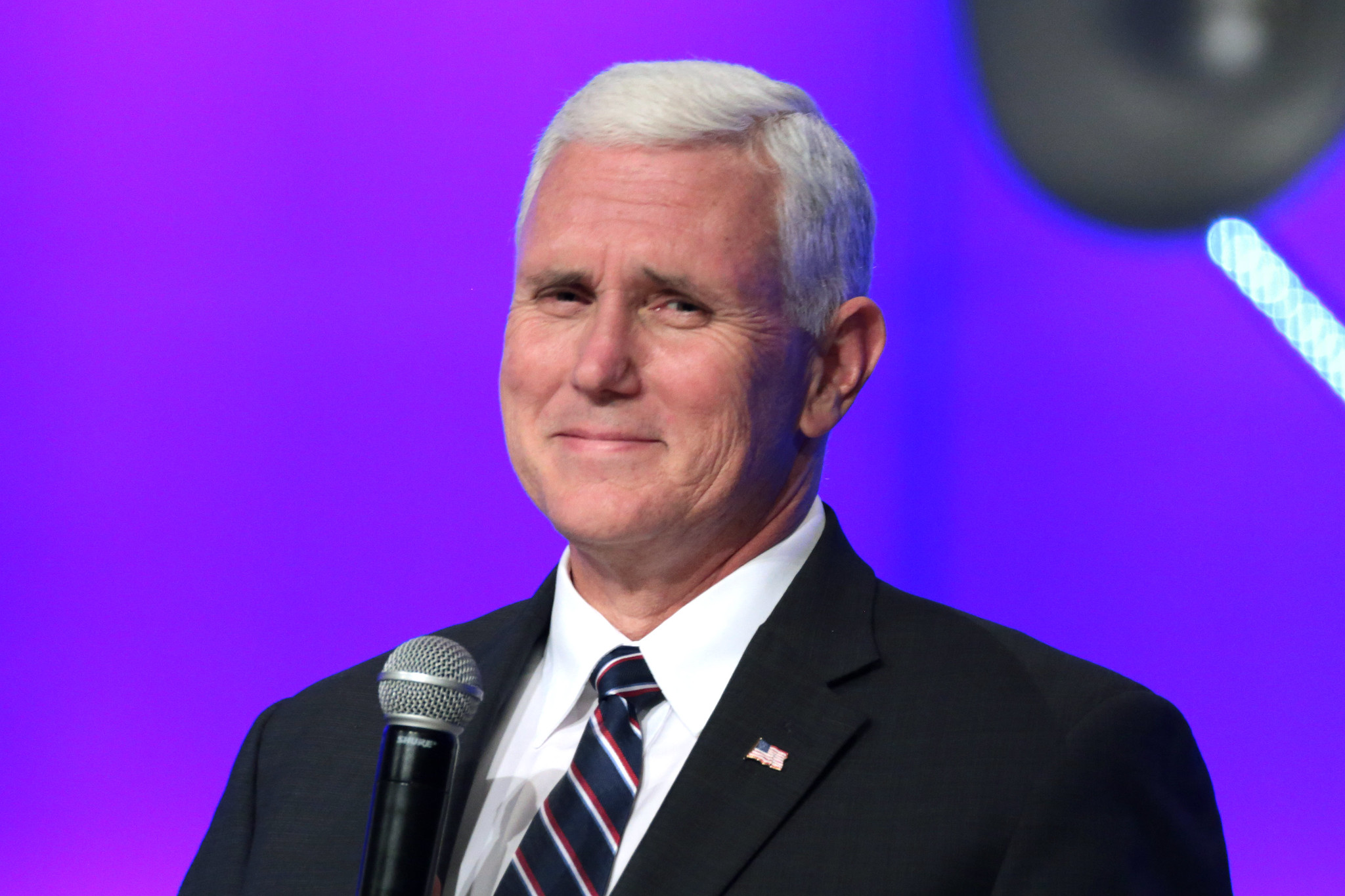
Mike Pence Opposes SAVE Act, Renewing Debate Over Federal Role in Election Reform
What's happening
Former Vice President Mike Pence has publicly voiced his opposition to the Secure and Verifiable Elections (SAVE) Act, a proposed federal bill that would require documentary proof of citizenship for voter registration in U.S. elections. This opposition has reignited a longstanding debate about the appropriate balance of power between federal and state governments in regulating elections. The SAVE Act aims to amend the National Voter Registration Act of 1993 by adding citizenship verification requirements, a move supporters say is crucial to preventing voter fraud.
The core of the controversy centers on whether Congress should impose uniform standards on voter registration or whether such decisions should be left to individual states. Pence argues that election reform is a national priority but insists it must be managed at the state level, citing constitutional principles. His stance has drawn criticism from lawmakers who believe federal intervention is necessary to address perceived gaps in election integrity, especially regarding noncitizen voting.
Supporters of the SAVE Act contend that the current federal framework, established by the National Voter Registration Act, does not require proof of citizenship, which they argue creates vulnerabilities in the electoral system. They assert that requiring documentary evidence will help ensure that only eligible citizens participate in elections, thereby strengthening public confidence. Critics of Pence’s position, including Senator Mike Lee, argue that the SAVE Act is essential because the Supreme Court's interpretation of existing law restricts states from demanding proof of citizenship during voter registration.
Pence’s opposition is notable given his past support for federal election reforms. During his tenure in the House of Representatives, he voted for the Help America Vote Act of 2001, which introduced new federal standards for election administration and increased oversight. He also backed the 2006 reauthorization of the Voting Rights Act, which required certain jurisdictions to obtain federal approval before changing voting procedures. These prior positions suggest a willingness to endorse federal involvement in elections under certain circumstances.
What's at stake
The debate has also highlighted tensions within conservative circles. Pence’s organization, Advancing American Freedom, clarified his stance by emphasizing that federalizing elections is undesirable and that the federal government should only partner with states seeking to secure their own elections. This statement has been seen by some as contradictory, given that the SAVE Act would increase federal requirements for voter registration. Supporters of Pence argue that his position reflects a principled commitment to state sovereignty rather than political expediency.
Opponents of Pence’s view warn that increased federal oversight could undermine the autonomy of state election officials and lead to unintended consequences. They argue that states are best positioned to manage their own election systems and that federal mandates risk creating a one-size-fits-all approach that may not suit local conditions. Meanwhile, proponents of the SAVE Act maintain that federal standards are necessary to close loopholes and prevent fraud that could affect election outcomes nationwide.
The stakes of this debate are significant. Election reform touches on fundamental questions of democracy, voter access, and election security. Millions of Americans could be affected by changes to voter registration requirements, and the political implications are profound given the polarized nature of election-related issues. The discussion also reflects broader tensions over federalism and the division of power in the U.S. political system.
Looking ahead, the future of the SAVE Act and similar legislation remains uncertain. Congressional negotiations will likely continue as lawmakers weigh the competing interests of election security and state autonomy. The debate may also influence judicial interpretations of election laws and the role of the federal government in overseeing elections. Observers will be watching closely to see whether the SAVE Act advances, is modified, or stalls amid ongoing political and legal challenges.
As the conversation unfolds, key developments to monitor include responses from state election officials, potential amendments to the bill, and public opinion shifts. The outcome could shape election administration for years to come, affecting how voter eligibility is verified and how election integrity is maintained across the country.
Why it matters
Mike Pence’s opposition to the SAVE Act highlights ongoing tensions between federal and state control over election rules. The debate centers on whether Congress should mandate citizenship verification for voter registration nationwide. Supporters argue the bill is necessary to prevent voter fraud and ensure only eligible citizens vote.
Opponents warn federal mandates could infringe on states’ rights and complicate election administration. Pence’s past support for federal election laws contrasts with his current stance, raising questions about consistency. The outcome of this debate will affect the balance of power in election oversight and voter access.
Changes to voter registration requirements could have wide-reaching impacts on election security and public trust.
Key facts & context
The SAVE Act proposes requiring documentary proof of citizenship for voter registration, amending the National Voter Registration Act of 1993. Mike Pence publicly opposed the SAVE Act, arguing election reform should be managed at the state level. Pence previously supported the Help America Vote Act of 2001 and the 2006 reauthorization of the Voting Rights Act.
Senator Mike Lee supports the SAVE Act, citing Supreme Court interpretations that limit states’ ability to require citizenship proof. Pence’s organization, Advancing American Freedom, stated federalizing elections is a bad idea but supports partnership with states. The National Voter Registration Act currently does not require proof of citizenship for voter registration.
The debate over the SAVE Act reflects broader tensions about federalism and election integrity in the U.S. The bill has sparked criticism and support from various lawmakers, reflecting partisan and ideological divides. Election reform efforts continue amid concerns about voter fraud and election security nationwide.
The SAVE Act is part of a larger national conversation about how to ensure fair and secure elections.
Timeline & key developments
2026-02-05: Pence Criticizes SAVE Act, Sparking Debate on Election Reform. Additional reporting on this topic is available in our broader archive and will continue to shape this timeline as new developments emerge.
Primary sources
Further reading & references
- (Additional background links will appear here as we cover this topic.)
Related posts
- Election Integrity Activists Launch Nationwide Bus Tour to Support SAVE Act
- Two Pennsylvania Residents Charged With Election Fraud
- Schumer Threatens Government Shutdown Over Voter Eligibility Legislation
- Noncitizen Admits to Voting Multiple Times in Georgia Elections
- Wisconsin Election Officials Face Scrutiny Over Voter Registration Compliance
- Leftist Groups Try To Nuke Wildly Popular Voter Citizenship Rule