TLT Explains
OMB Stands by Security Detail for Russell Vought Despite Democratic Criticism Over USAID Funding
What's happening
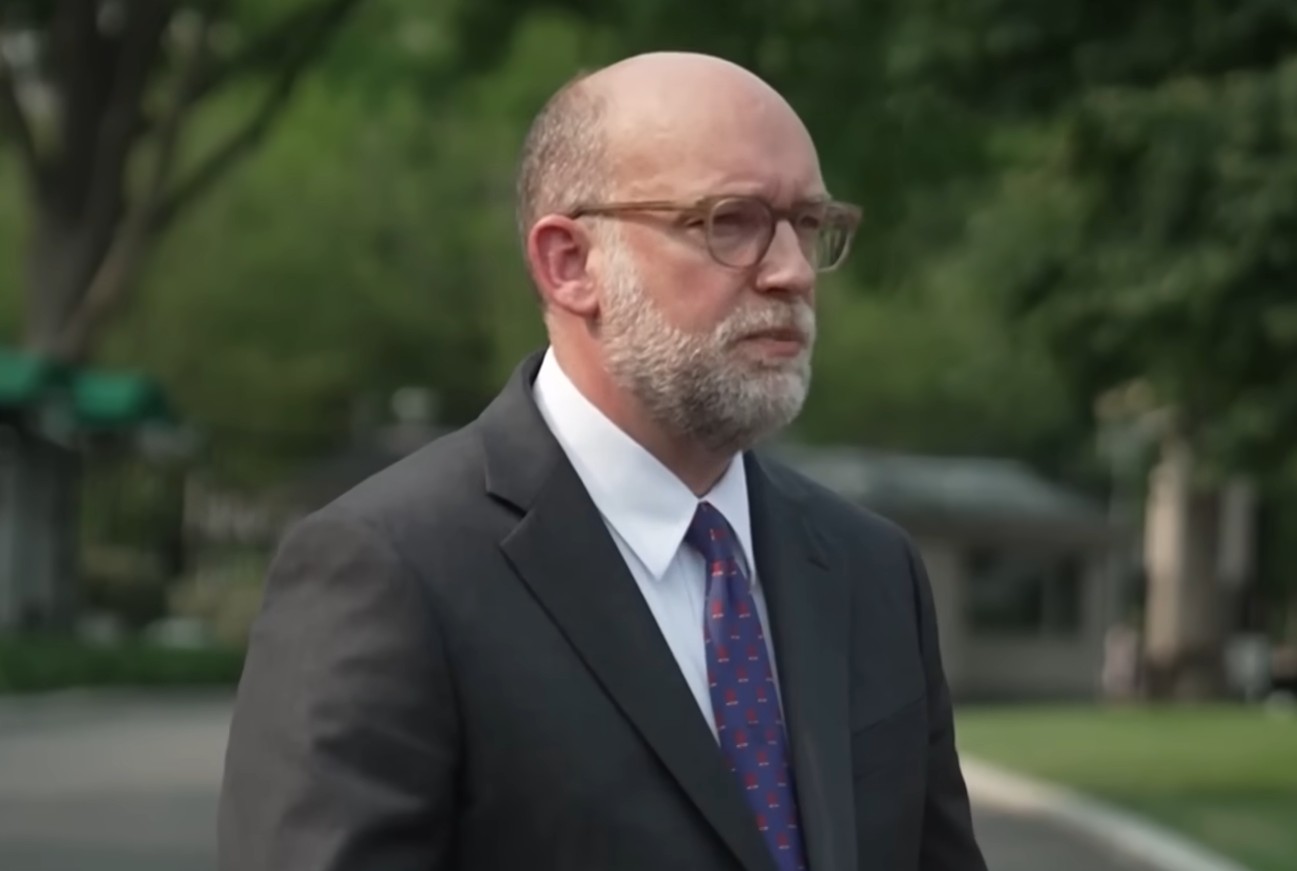
The Office of Management and Budget (OMB) has reaffirmed its decision to maintain a security detail for Russell Vought, the former acting administrator and current senior advisor at the U.S. Agency for International Development (USAID). This move follows an assassination attempt earlier this year, which raised concerns about Vought's personal safety amid ongoing threats. The decision has drawn sharp criticism from Democratic lawmakers, particularly Rep. Raja Krishnamoorthi of Illinois, who objects to the use of USAID funds to finance Vought’s protection. The controversy centers on whether taxpayer dollars intended for humanitarian aid and development assistance should be diverted to cover security costs for a political appointee.
Russell Vought became a target after receiving multiple credible death threats, culminating in an attempted attack outside his home in Arlington, Virginia. The assailant reportedly cited left-wing rhetoric, accusing officials from the Trump administration, including Vought, of orchestrating a “fascist takeover” of the government. This incident has intensified debates about the risks faced by former administration officials and the appropriate government response to such threats. Vought’s security detail, funded in part by USAID, is intended to address these risks amid a fraught political climate marked by heightened tensions and partisan hostility.
Rep. Raja Krishnamoorthi has publicly criticized the allocation of USAID funds for Vought’s security, arguing that it undermines the agency’s core mission. In a letter to the OMB, Krishnamoorthi described the funding as a misuse of congressionally appropriated resources, emphasizing that USAID’s primary focus should remain on delivering humanitarian aid and development assistance worldwide. He expressed concern that diverting funds to domestic security operations detracts from vital programs that support vulnerable communities both internationally and domestically. Krishnamoorthi’s objections highlight a broader debate about the balance between protecting government officials and maintaining agency priorities.
In response, OMB General Counsel Mark Paoletta defended the security funding, stressing the seriousness of the threats against Vought. Paoletta attributed the danger to what he described as a broader campaign by some Democrats to vilify former Trump administration officials. He criticized the rhetoric used by certain political figures, including Senator Chuck Schumer, who labeled Vought as “the most dangerous nominee” from the Trump era. Paoletta argued that such language contributes to an environment that incites violence and necessitates a robust security response. He maintained that it is appropriate for USAID to contribute to Vought’s protection given his ongoing advisory role and the persistent threats he faces.
What's at stake
The debate over Vought’s security detail funding underscores a larger tension between the need to safeguard public officials and the proper use of federal funds. Critics contend that allocating USAID resources for security purposes diverts money from essential humanitarian programs, potentially weakening the agency’s ability to fulfill its mission. Supporters, however, emphasize that credible threats against officials require adequate protection measures to ensure their safety and the continuity of government operations. This clash reflects the polarized political environment and differing views on how best to allocate limited government resources amid security concerns.
The controversy also raises questions about the precedent set for funding security details for political appointees and senior advisors. While protecting government officials is a recognized priority, the source of funding and its impact on agency missions remain contentious. The use of USAID funds, which are primarily intended for international development and aid, has drawn scrutiny from lawmakers and watchdog groups concerned about accountability and mission drift. This situation illustrates the challenges agencies face in balancing security needs with programmatic responsibilities, especially in politically charged contexts.
Looking ahead, the debate over Vought’s security funding is likely to continue as Congress evaluates oversight and appropriations related to agency budgets. Lawmakers may consider clarifying guidelines on how security costs for officials are funded to prevent future conflicts over resource allocation. The OMB’s firm stance suggests a commitment to maintaining security measures despite political opposition, but ongoing criticism from Democrats signals potential legislative or oversight actions. Observers will be watching how this dispute influences broader discussions about the protection of government officials and the stewardship of taxpayer dollars.
The outcome of this dispute could have lasting implications for how security details are financed across federal agencies, particularly when political appointees face threats linked to their public service. It also highlights the complexities of managing agency priorities in a polarized political environment where security concerns intersect with mission-driven funding. As the situation evolves, stakeholders will be attentive to congressional responses, agency decisions, and any shifts in policy that address the balance between security and program integrity. The resolution of this issue will provide insight into the federal government’s approach to protecting officials while safeguarding agency missions.
What happens next will depend largely on congressional oversight and potential legislative action regarding the use of agency funds for security purposes. The OMB’s defense of the security detail indicates that, for now, funding will continue despite Democratic objections. However, lawmakers may push for more stringent rules or alternative funding mechanisms to ensure that USAID’s humanitarian objectives are not compromised. The debate serves as a case study in navigating the competing demands of security and mission focus within federal agencies, especially amid heightened political tensions.
Why it matters
The assassination attempt on Vought was linked to political rhetoric accusing Trump administration officials of a fascist takeover. Critics argue that funding Vought’s security with USAID resources diverts money from vital humanitarian programs. Supporters contend that credible threats against Vought justify a robust security response funded by the agency.
The controversy highlights tensions between protecting officials and maintaining agency mission priorities. The debate may influence future policies on how security details for political appointees are financed.
Key facts & context
Russell Vought is a former acting administrator and current senior advisor at USAID. An assassination attempt against Vought occurred earlier this year outside his home in Arlington, Virginia. The Office of Management and Budget has reaffirmed its decision to maintain Vought’s security detail.
Rep. Raja Krishnamoorthi has criticized the use of USAID funds for Vought’s security protection. The would-be attacker cited left-wing rhetoric and accused Trump administration officials of a fascist takeover. OMB General Counsel Mark Paoletta defended the security funding, citing ongoing credible threats.
Paoletta accused some Democrats of inciting violence through their rhetoric against Trump officials. Senator Chuck Schumer previously called Vought “the most dangerous nominee” from the Trump administration. Krishnamoorthi argued that diverting funds to security operations deviates from USAID’s humanitarian mission.
The security detail funding involves approximately $15 million allocated through the U.S. Marshals Service. The debate reflects broader political tensions over the use of taxpayer dollars and agency priorities. Congressional oversight and potential legislative action may determine the future of such security funding.
Timeline & key developments
2026-03-17: OMB Defends Security Detail for Vought Amid Criticism from Democrats. Additional reporting on this topic is available in our broader archive and will continue to shape this timeline as new developments emerge.
Primary sources
Further reading & references
- (Additional background links will appear here as we cover this topic.)