TLT Explains
NBA Player Jaden Ivey Waived by Chicago Bulls After Expressing Christian Beliefs on Pride Month
What's happening
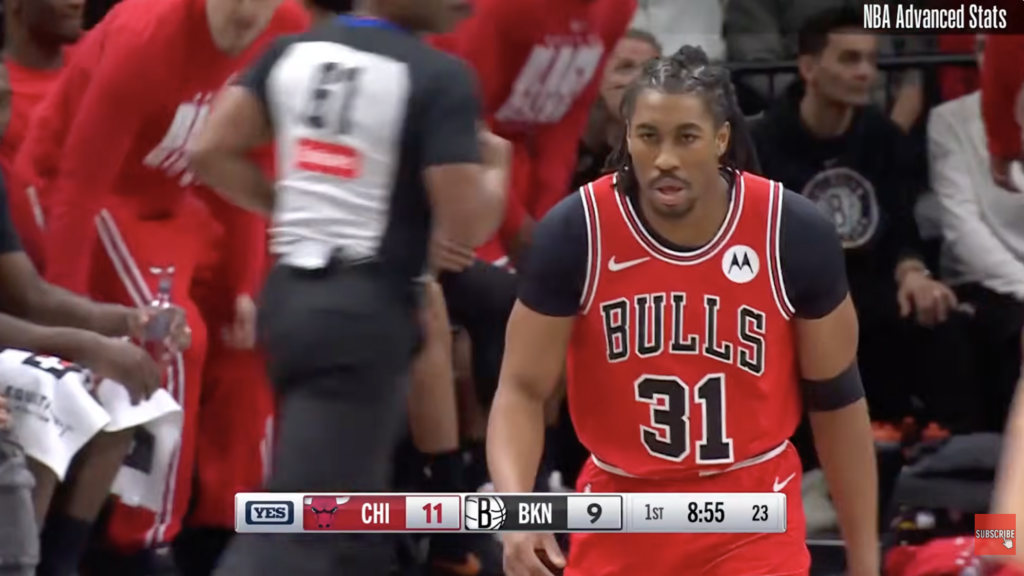
Jaden Ivey, a guard for the Chicago Bulls, was waived by the team on Monday following a series of Instagram livestreams in which he expressed his Christian beliefs, particularly criticizing the NBA's promotion of Pride Month. His remarks, which described Pride Month celebrations as endorsing what he called "unrighteousness," sparked a significant controversy within the sports community. The Bulls cited "conduct detrimental to the team" as the reason for releasing Ivey, a phrase often used in professional sports to justify disciplinary actions. However, Ivey has publicly challenged this characterization, insisting that his faith-based statements should not be considered harmful to team dynamics.
The situation surrounding Ivey highlights a broader cultural clash between personal religious convictions and the NBA's active support for LGBTQ+ inclusivity. The league has long promoted Pride Month as part of its diversity and inclusion initiatives, encouraging players and teams to participate in events celebrating LGBTQ+ rights. Ivey's comments, which came after he was sidelined for the remainder of the season due to knee pain, brought into sharp relief the tensions that can arise when an athlete's personal beliefs conflict with organizational values. This incident has reignited debates over the limits of free speech and religious expression within professional sports environments.
Several fellow professional athletes have publicly expressed support for Ivey, many of whom share similar Christian beliefs. Notable figures such as New England Patriots running back TreVeyon Henderson and Miami Dolphins player Blake Ferguson have quoted biblical verses to emphasize the challenges and sacrifices associated with standing firm in one's faith. Other athletes, including Jake LaRavia of the Los Angeles Lakers and Azareye’h Thomas from the New York Jets, have also voiced solidarity, underscoring the sense of community among those who prioritize their spiritual convictions despite potential professional risks. These expressions of support reveal a divide within the sports world over how religious beliefs intersect with public and professional life.
What's at stake
Critics of Ivey's remarks argue that the NBA's promotion of Pride Month is an important affirmation of inclusivity and acceptance, values that are central to the league's public identity. Supporters of the league contend that such initiatives help create a welcoming environment for all players and fans, including those from the LGBTQ+ community. Conversely, some view Ivey's comments as a legitimate exercise of his right to religious expression, raising concerns about whether athletes can freely voice their personal beliefs without facing punitive consequences. This tension reflects the ongoing challenge of balancing respect for diversity with freedom of speech in high-profile professional settings.
The Bulls and the NBA have not issued detailed public statements addressing the backlash or clarifying the specific reasons behind Ivey's waiver beyond the general conduct rationale. This silence has fueled speculation about how the league might handle similar situations in the future and whether players will feel constrained in expressing their beliefs. The incident has drawn attention to the broader implications for athlete autonomy and the extent to which professional sports organizations can or should regulate personal expression. It also raises questions about the potential chilling effect on players who hold minority or controversial viewpoints.
Ivey's case is emblematic of the complex intersection between faith and public life, particularly in environments that actively promote inclusivity and diversity. His experience illustrates the difficulties athletes may face when their deeply held religious convictions conflict with the cultural norms or policies of their teams and leagues. The debate extends beyond sports, touching on wider societal issues about tolerance, respect, and the boundaries of acceptable speech. As professional sports continue to evolve as platforms for social and cultural expression, these tensions are likely to persist and require careful navigation.
Looking ahead, the situation with Jaden Ivey is likely to influence ongoing discussions about free speech and religious expression within the NBA and other professional sports leagues. Stakeholders will be watching closely to see how the league manages similar incidents and whether policies will be adjusted to better accommodate diverse viewpoints. For players, this episode may serve as a cautionary tale about the potential professional risks of publicly expressing personal beliefs that conflict with organizational values. The broader conversation will likely continue to explore how to balance inclusivity with respect for individual convictions in highly visible public arenas.
Why it matters
Ivey's waiver underscores the tension between personal religious beliefs and organizational values promoting inclusivity in professional sports. The incident raises important questions about the limits of free speech and religious expression for athletes in public and professional settings. Support from fellow athletes highlights a divide within the sports community over faith-based convictions and their place in sports culture.
The NBA's promotion of Pride Month contrasts with Ivey's views, illustrating the challenges of navigating conflicting cultural messages. The lack of detailed explanation from the Bulls and NBA fuels uncertainty about future policies on athlete conduct and expression. Ivey's case exemplifies the broader societal debate on balancing respect for diversity with freedom of personal belief.
This controversy may influence how leagues address similar conflicts between personal beliefs and organizational priorities going forward.
Key facts & context
Jaden Ivey was waived by the Chicago Bulls on Monday after expressing Christian beliefs critical of Pride Month during Instagram livestreams. The Bulls cited "conduct detrimental to the team" as the reason for releasing Ivey, a common justification in professional sports. Ivey stated in livestreams that the NBA promotes Pride Month as celebrating "unrighteousness," which sparked controversy.
Following his waiver, Ivey publicly disputed the team's rationale, asserting his conduct was not detrimental and that he was simply preaching about Jesus Christ. Several professional athletes, including TreVeyon Henderson and Blake Ferguson, expressed support for Ivey by quoting biblical verses. The NBA actively promotes Pride Month as part of its diversity and inclusion efforts, encouraging participation from teams and players.
The Bulls and NBA have not provided further public clarification on the decision to waive Ivey beyond the conduct statement. The incident has intensified debates over free speech, religious expression, and inclusivity within professional sports leagues. Ivey was sidelined for the remainder of the season due to knee pain before the controversy emerged.
The controversy reflects broader societal tensions about the intersection of faith, public expression, and cultural acceptance.
Timeline & key developments
2026-03-31: NBA Player Jaden Ivey Waived After Expressing Christian Beliefs. Additional reporting on this topic is available in our broader archive and will continue to shape this timeline as new developments emerge.
Primary sources
Further reading & references
- (Additional background links will appear here as we cover this topic.)
Related posts
- College Football Season Opens With Expressions of Faith
- HBO's Hard Knocks Spotlights Buffalo Bills Player's Christian Faith
- Concordia University Wisconsin Gives Christian Colleges A Bad Name
- New Film Pays Fitting Tribute To The Christian Martyr Of Auschwitz
- Charlie Kirk's Legacy Sparks Debate on Christian Engagement
- Leaders Emphasize Christian Faith at Charlie Kirk's Memorial Service