TLT Explains
Mallory McMorrow’s Theatrical Campaign Sparks Debate at Michigan Democratic Convention
What's happening
Mallory McMorrow, a Michigan state senator, made headlines over the weekend with a highly theatrical entrance at the state Democratic Party convention. Accompanied by a live band and oversized cut-out images of her own face, McMorrow’s performance has been dubbed "McMentum" by supporters and observers alike. This unconventional approach is part of her campaign strategy as she seeks a seat in the U.S. Senate. The spectacle has attracted significant attention, both positive and critical, highlighting broader questions about the role of performance in modern political campaigns.
The backdrop to McMorrow’s campaign is a political environment where candidates are increasingly experimenting with creative and memorable tactics to engage voters. Her theatrical style contrasts with more traditional campaign methods that emphasize policy details and legislative experience. Critics argue that such performances may overshadow substantive discussion of issues, suggesting that this trend reflects a wider problem within the Democratic Party. They contend that focusing on style over substance risks alienating voters who are seeking real solutions to pressing challenges.
Among McMorrow’s critics is one of her Democratic primary opponents, who dismissed her approach by saying, "That’s what you get when you don’t have a message." This critique underscores a tension within the party about how best to communicate with constituents. Supporters of McMorrow, however, argue that her strategy energizes the Democratic base and captures the attention of younger voters who might otherwise feel disconnected from politics. They see her performance as a way to break through the noise and highlight important issues in a crowded political landscape.
This debate over style versus substance is not unique to Michigan. In California, for example, Senator Scott Wiener has recently faced criticism for focusing on symbolic issues such as a coffee shop’s decision to stop displaying pride flags, rather than addressing more urgent problems like economic instability and homelessness. Such instances have fueled concerns that some Democratic leaders prioritize performative politics over effective governance. These dynamics contribute to a broader conversation about the party’s direction and its ability to respond to constituents’ needs.
What's at stake
The stakes of this debate are significant. Voters are grappling with complex issues including financial insecurity, social services challenges, and public safety concerns. How candidates address these matters can influence public trust and electoral outcomes. The emphasis on performance tactics raises the question of whether voters will reward candidates who prioritize style or those who focus on detailed policy proposals. This tension could shape not only the outcome of McMorrow’s Senate bid but also the future strategies of Democratic candidates nationwide.
Supporters of McMorrow and similar candidates argue that engaging voters through creative and memorable tactics is necessary in an era of political fatigue and media saturation. They believe that such approaches can revitalize interest in politics and bring attention to causes that might otherwise be overlooked. However, skeptics remain cautious, questioning whether these methods can sustain long-term support or translate into effective leadership once in office. The effectiveness of this balance between performance and policy remains an open question as the campaign unfolds.
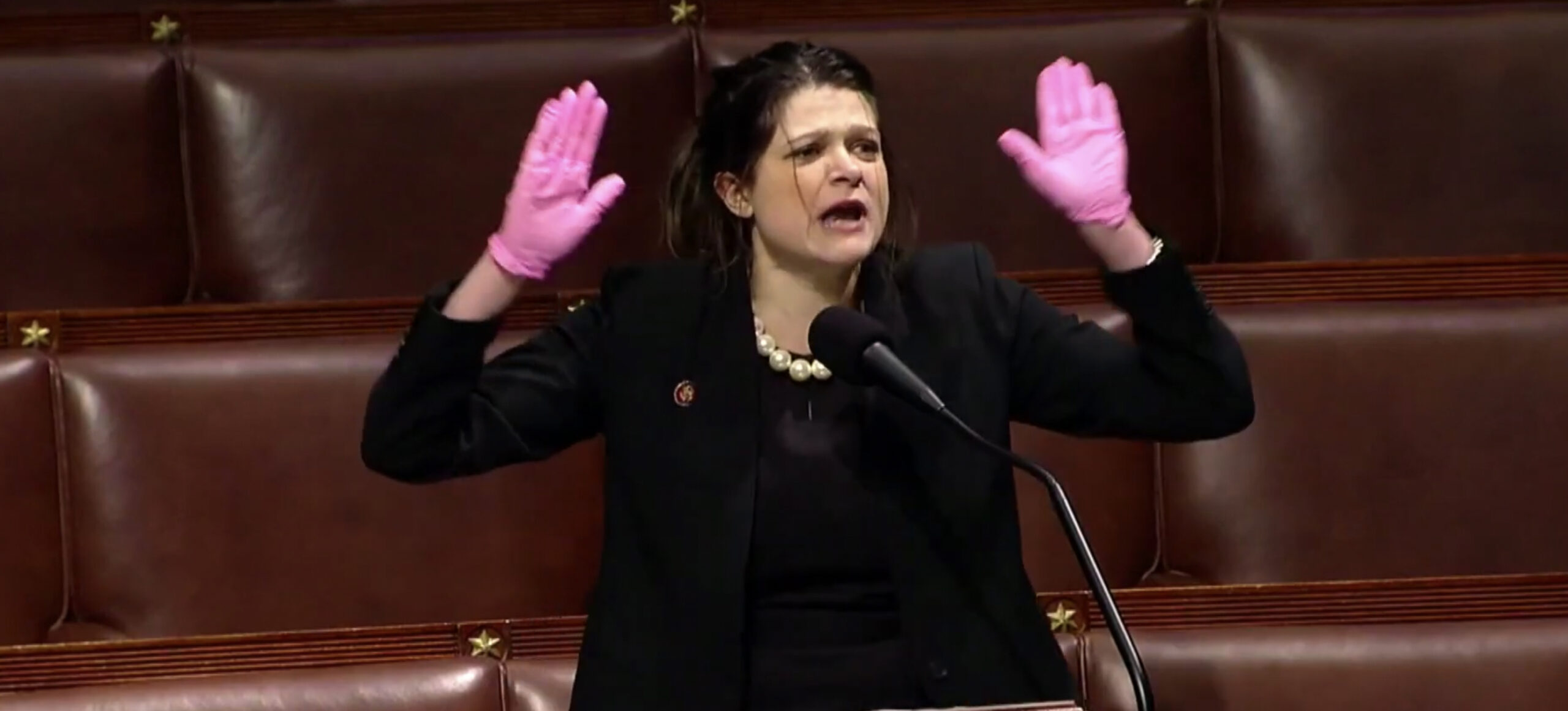
The cultural shift toward performative politics is evident in various political arenas, including congressional forums where some representatives have been criticized for prioritizing spectacle over substantive debate. This trend complicates efforts to address urgent policy challenges and risks undermining public confidence in elected officials. At the same time, it reflects changing expectations among voters, particularly younger demographics who may value authenticity and engagement over traditional political rhetoric.
As McMorrow’s campaign progresses, the tension between theatrical presentation and policy substance will likely continue to be a focal point of discussion within the Democratic Party. Observers will be watching to see whether her approach resonates with voters in the primary and beyond, potentially influencing how future candidates craft their messages. The outcome of this race could provide valuable insights into voter priorities and the evolving nature of political campaigning in the United States.
Looking ahead, the key question is how McMorrow and other candidates will navigate the balance between engaging performance and substantive policy proposals. The primary election will serve as an important test of whether voters prioritize style or message when selecting their representatives. Additionally, the broader Democratic Party will need to consider how to address internal debates about communication strategies while responding effectively to pressing social and economic challenges. The coming months will reveal how these dynamics shape the party’s trajectory and electoral prospects.
Why it matters
The focus on performance over policy raises concerns about the Democratic Party’s ability to address voters’ real needs. Creative campaign tactics may energize some voters but risk alienating those seeking substantive solutions. The debate highlights a broader tension within the party about how best to communicate and connect with constituents.
Voters’ preferences between style and substance could influence the outcome of key elections and future campaign strategies. The discussion reflects ongoing challenges in balancing political engagement with effective governance. Candidates like McMorrow illustrate the evolving nature of political campaigning in a media-saturated environment.
Key facts & context
Mallory McMorrow is a Michigan state senator running for the U.S. Senate seat in the upcoming Democratic primary. She made a notable entrance at the Michigan Democratic Party convention with a band and large cut-out images of her face. Her performance has been labeled "McMentum" and has attracted widespread attention and debate.
Critics argue that her theatrical approach signals a lack of substantive political messaging. One of her Democratic primary opponents criticized her by saying, "That’s what you get when you don’t have a message." California Senator Scott Wiener recently faced backlash for focusing on symbolic issues rather than pressing state problems.
Wiener’s focus on a coffee shop’s decision to stop displaying pride flags drew criticism amid California’s economic and social challenges. The trend of prioritizing performance in politics is seen in various contexts, including congressional forums. Supporters of McMorrow argue that creative tactics can engage younger voters and energize the Democratic base.
The debate over style versus substance remains unresolved within the Democratic Party as it faces upcoming elections. The outcome of McMorrow’s Senate campaign may influence how future candidates approach political messaging.
Timeline & key developments
2026-04-21: Mallory McMorrow Stages Eye-Catching Campaign at Michigan Democratic Convention. Additional reporting on this topic is available in our broader archive and will continue to shape this timeline as new developments emerge.
Primary sources
Further reading & references
- (Additional background links will appear here as we cover this topic.)