TLT Explains
Hillary Clinton Criticizes Electoral College in New Docuseries Highlighting 2016 Election Debate
What's happening
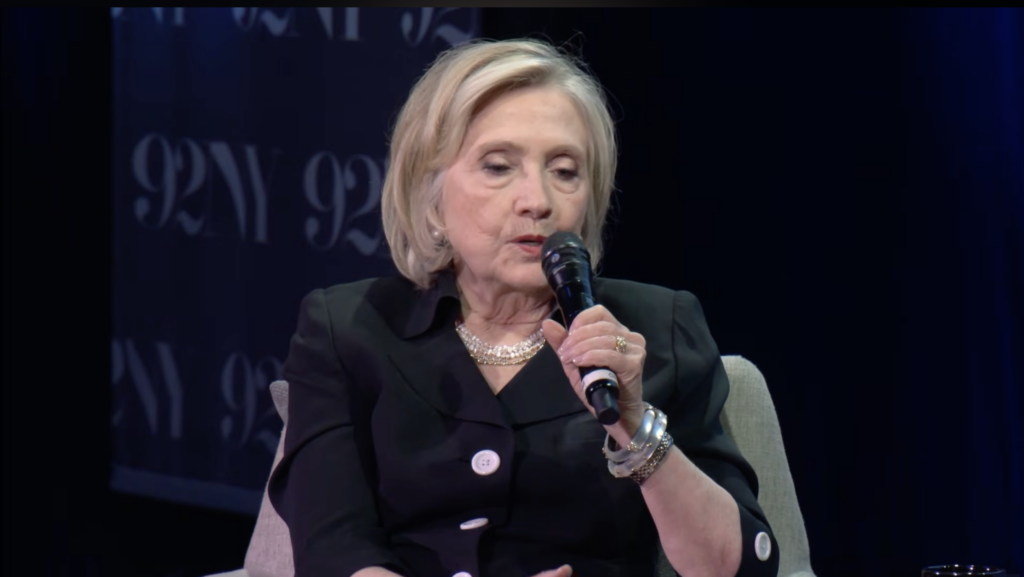
In the Netflix docuseries "The American Experiment," released on June 24, 2026, former Secretary of State Hillary Clinton sharply criticized the Electoral College system, calling it an "abomination." Her remarks revisit a contentious issue that has persisted since the 2016 presidential election, where she won the popular vote by nearly three million votes but lost the presidency to Donald Trump due to the Electoral College outcome. The series, directed by Brian Knappenberger and executive produced by Tom Hanks, explores the history and structure of American democracy through interviews with prominent political figures, including Vice President Kamala Harris and former Vice Presidents Mike Pence and Al Gore.
The Electoral College, established by the framers of the Constitution, was designed to balance the influence of populous states with that of smaller ones. Supporters argue it prevents domination by large urban centers and protects minority interests within the federal system. However, critics like Clinton contend that it undermines the democratic principle of reflecting the popular will, especially when the popular vote winner does not become president. This tension has fueled ongoing debates about the fairness and relevance of the Electoral College in modern elections.
Clinton’s 2016 loss despite her popular vote victory remains a focal point of her critique. She secured 227 Electoral College votes compared to Trump’s 304, a disparity that highlighted how the system can produce outcomes that diverge from the nationwide popular preference. Her advantage was largely driven by strong turnout in populous states such as California and New York, states that have themselves faced scrutiny over voter roll accuracy and election administration. This discrepancy has led to calls from Clinton and others for reform or abolition of the Electoral College in favor of a direct popular vote.
The debate over the Electoral College also involves concerns about geographic representation. Proponents argue that the system ensures candidates must appeal to a broad coalition of states rather than focusing solely on densely populated urban areas. They warn that a shift to a popular vote could lead candidates to prioritize only large metropolitan centers, potentially neglecting rural and less populated regions. Clinton acknowledges this concern but maintains that the current system ultimately distorts the democratic process by allowing a candidate to win the presidency without winning the popular vote.
What's at stake
Within the docuseries, Clinton’s comments are part of a broader examination of American democracy’s evolution. The inclusion of diverse voices such as Senator Ted Cruz and former Vice Presidents Mike Pence and Al Gore provides viewers with a range of perspectives on the Electoral College and electoral reform. This multifaceted approach underscores the complexity of balancing federalism, representation, and democratic legitimacy in the United States’ presidential elections.
Clinton has long advocated for replacing the Electoral College with a system that respects the popular vote. In earlier interviews, she called for its elimination, arguing that democracy should reflect the will of the people directly. Her stance has been met with resistance from political figures who emphasize the constitutional role of the Electoral College in maintaining a federalist balance and protecting smaller states’ interests. This disagreement reflects deeper divisions about how best to structure American democracy in an era of changing demographics and political polarization.
The stakes of this debate are significant. The Electoral College influences campaign strategies, voter engagement, and perceptions of electoral legitimacy. For voters in less populous states, the system can amplify their influence, while in large states, it may diminish the impact of individual votes. The controversy also affects public trust in elections, especially when outcomes appear to contradict the popular vote. Clinton’s renewed critique in a widely viewed docuseries reignites these discussions at a time when electoral reform remains a topic of national interest.
Looking ahead, the future of the Electoral College debate will likely involve continued political and legal challenges. Efforts such as the National Popular Vote Interstate Compact seek to circumvent the Electoral College by pledging states’ electoral votes to the popular vote winner, but these initiatives face hurdles in adoption and implementation. Congressional action to amend or abolish the Electoral College would require broad bipartisan support, which remains elusive. As the nation approaches future presidential elections, the balance between state representation and popular sovereignty will remain a central issue to watch.
Why it matters
Clinton’s critique highlights ongoing concerns about the Electoral College’s impact on democratic representation. The 2016 election exposed how the Electoral College can produce a president who did not win the popular vote. The debate reflects broader tensions between federalism and direct democracy in the U.S. electoral system.
Changing the system could alter campaign strategies and voter influence across different states. Public trust in election outcomes can be affected when the popular vote and Electoral College results diverge.
Key facts & context
Hillary Clinton called the Electoral College an 'abomination' in the Netflix docuseries 'The American Experiment.' The docuseries was released on June 24, 2026, directed by Brian Knappenberger and executive produced by Tom Hanks. Clinton won the 2016 popular vote by nearly three million votes but lost the presidency due to the Electoral College outcome.
In the 2016 election, Clinton received 227 Electoral College votes compared to Donald Trump’s 304. The Electoral College was established to balance the influence of populous and less populous states in presidential elections. Supporters argue the system prevents domination by large urban centers and protects smaller states’ interests.
Critics contend the Electoral College can undermine the democratic principle of reflecting the popular vote. The National Popular Vote Interstate Compact is an ongoing effort to ensure the presidency goes to the popular vote winner. Changing or abolishing the Electoral College would require a constitutional amendment or widespread state adoption of compacts.
The debate over the Electoral College influences campaign strategies, voter engagement, and perceptions of electoral legitimacy. The docuseries includes interviews with political figures such as Kamala Harris, Mike Pence, Al Gore, and Ted Cruz. Clinton’s popular vote advantage in 2016 was driven by high turnout in populous states like California and New York.
Timeline & key developments
2026-06-22: Hillary Clinton Critiques Electoral College in Upcoming Docuseries. Additional reporting on this topic is available in our broader archive and will continue to shape this timeline as new developments emerge.